Table of Contents
More from Blog
-
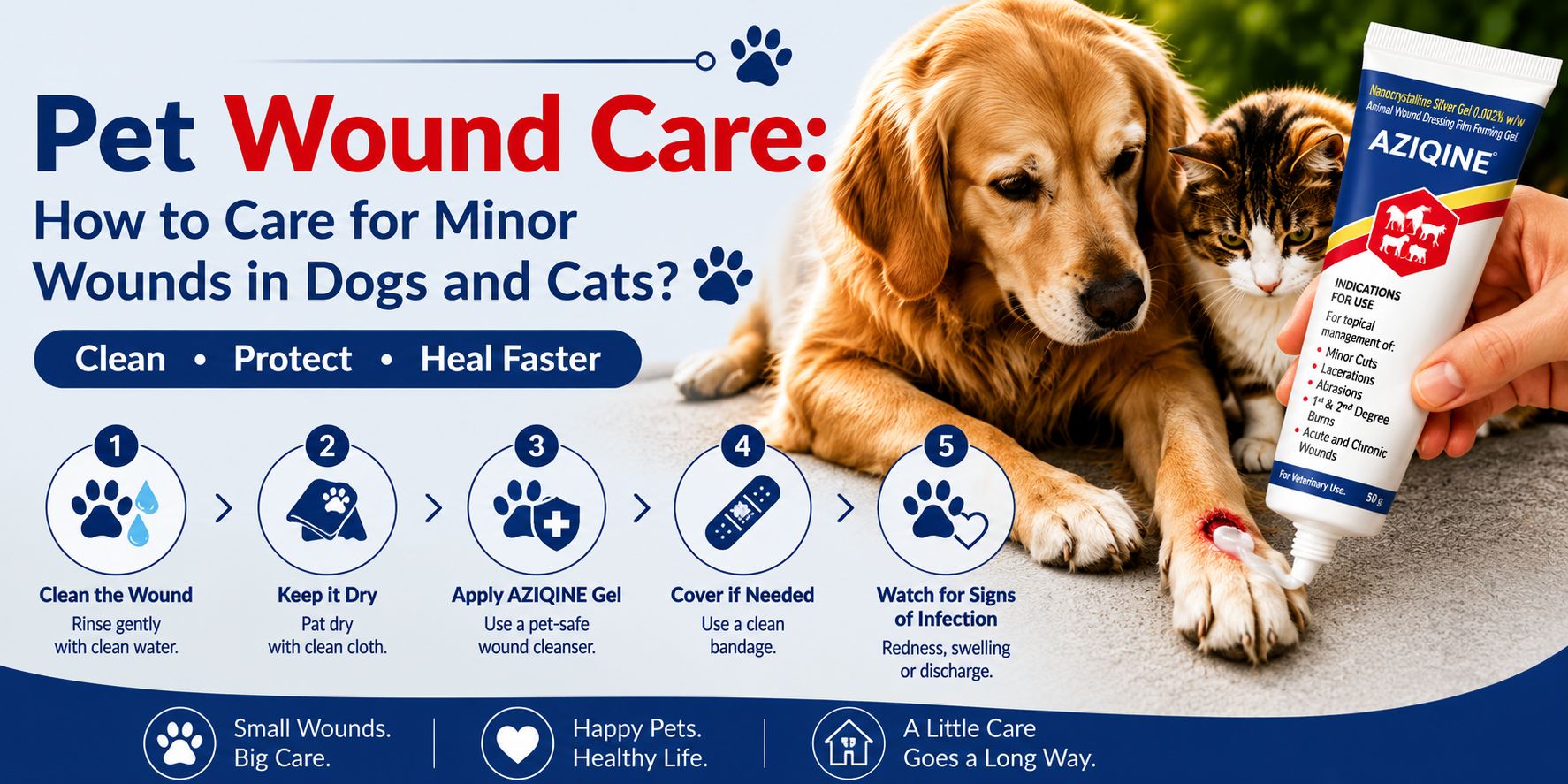 Sep 28, 2026
Pet Wound Care: How to Care for Minor Wounds in Dogs and Cats -
 Sep 25, 2026
Signs of Joint Pain in Dogs: Spot Early. Support Better Mobility -
 Jul 30, 2026
Is Your Pet Sleeping More & Playing Less? Hidden Signs of Joint Discomfort -
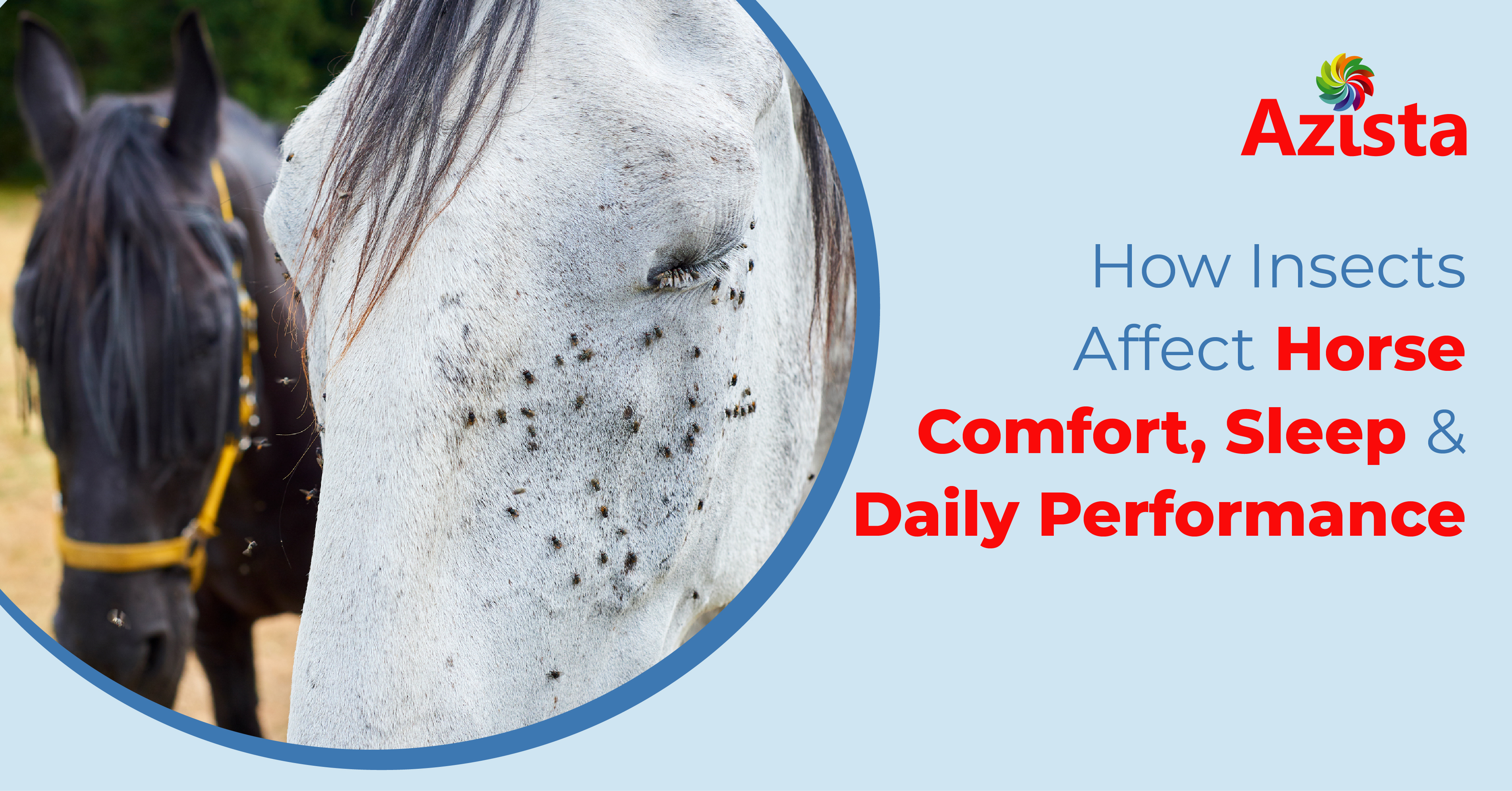 Jul 25, 2026
How Insects Affect Horse Comfort, Sleep & Daily Performance -
 Jul 20, 2026
Why Sudden Vomiting in Pets Should Never Be Ignored: Common Gastro Problems Explained
Dog Itching & Hair Loss: Allergy vs Fungal vs Mange (Quick Home Checklist)
Apr 20, 2026
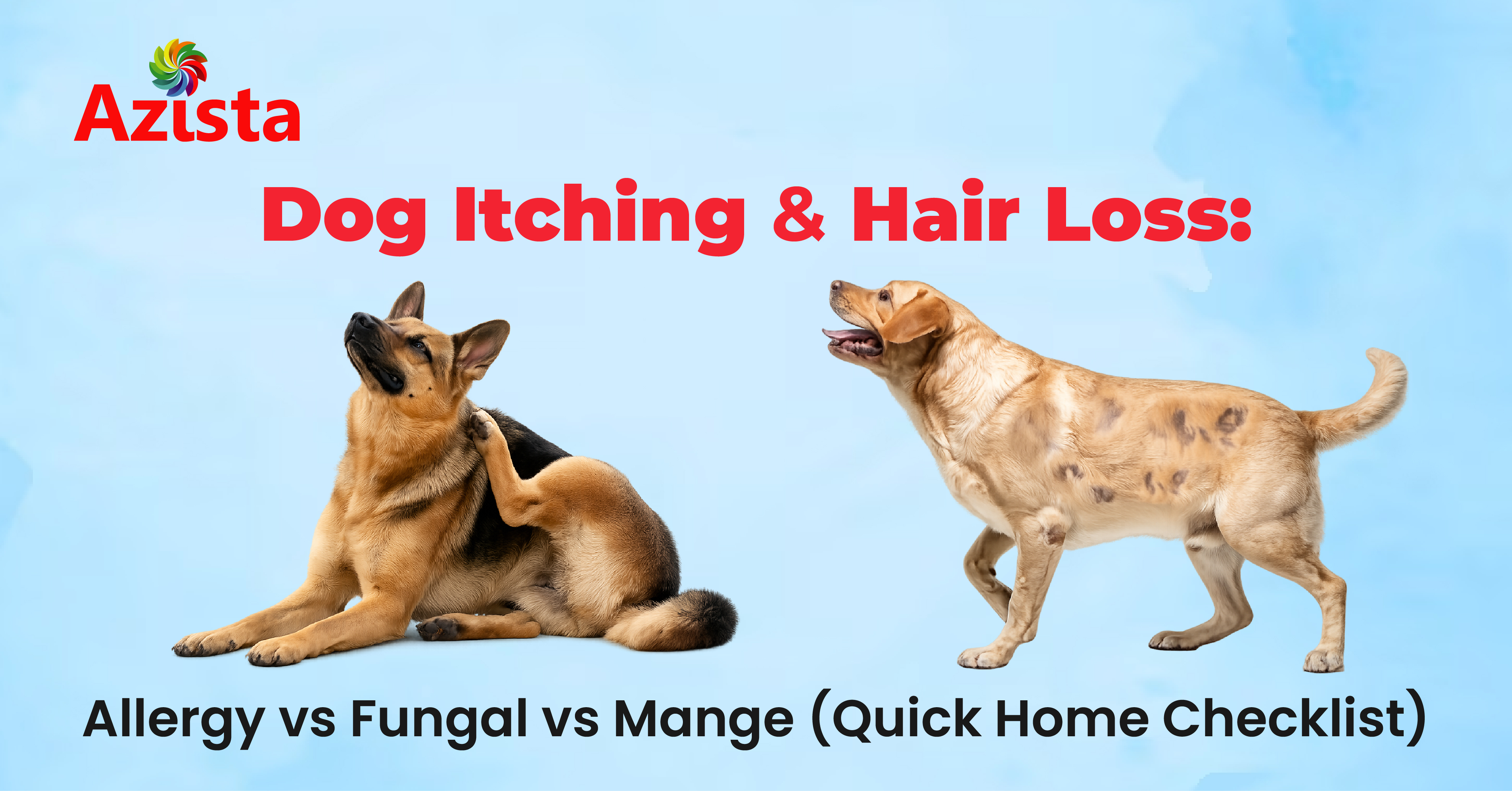
If your dog is scratching excessively or developing bald patches, the most common causes include allergies, fungal infections or mange. Allergies usually cause general itching, fungal infections create visible patches on the skin and mange leads to intense irritation with noticeable hair loss. Recognising these patterns early can help you take the right action.
Why Is Your Dog Scratching Nonstop?
It is normal for dogs to scratch occasionally, but when scratching becomes frequent or constant, it usually indicates an underlying issue. Persistent itching is often linked to skin irritation caused by allergies, infections or parasites. When this behaviour is combined with redness, discomfort or hair loss, it becomes important to investigate further rather than dismissing it as a minor concern.
What Do Bald Spots in Dogs Indicate?
Hair loss in dogs, especially when it appears suddenly or in patches, is a clear sign that something is affecting the skin. Bald spots may develop gradually due to repeated scratching or may appear more suddenly in cases of infection. The pattern and appearance of these patches can often give clues about the cause. For example, smooth patches with minimal irritation may suggest allergies, while clearly defined circular patches often point towards fungal infections.
Understanding Allergies in Dogs
Allergies are one of the most common reasons for itching in dogs and can be triggered by food, environmental factors, or even flea bites. Dogs with allergies usually experience widespread itching rather than isolated patches. They may also lick their paws frequently or show signs of irritation around the ears and face. While hair loss can occur, it is typically a result of continuous scratching rather than direct damage to the skin.
Signs of Fungal Skin Infections
Fungal infections affect the outer layer of the skin and often present with noticeable visual changes. These infections typically appear as round or ring-like patches where the hair has thinned or fallen out. The skin in these areas may look dry, flaky, or slightly scaly. Although itching may be present, it is usually less intense compared to allergic reactions or mange. Because fungal infections can spread, early identification and care are important.
Mange in Dogs - How It Differs
Mange is caused by microscopic mites and tends to be more aggressive in nature. Dogs with mange often experience intense itching that leads to rapid hair loss and visible skin damage. The affected areas may appear red, thickened, or crusty over time. Unlike allergies, which tend to fluctuate, mange symptoms often worsen quickly if left untreated. This makes early recognition and intervention especially important.
A Simple Way to Identify the Cause at Home
While a proper diagnosis requires a veterinarian, observing your dog's symptoms closely can provide useful clues. If the itching seems widespread without clear patches, allergies are more likely. If you notice circular areas of hair loss with dry skin, a fungal infection may be the cause. On the other hand, if your dog is scratching intensely and losing hair rapidly with visible skin damage, mange could be responsible. This basic understanding can help you decide how urgently your dog needs professional care.
Dog Skin Infection Symptoms to Watch For
As skin conditions progress, they may lead to more serious symptoms such as discharge, unpleasant odour, or swelling. In some cases, constant scratching can cause wounds or bleeding, which increases the risk of secondary infections. These signs indicate that the condition is no longer mild and should be addressed promptly.
How to Care for Your Dog at Home
For mild symptoms, maintaining proper hygiene can make a significant difference. Regular bathing with a medicated shampoo for dogs can help cleanse the skin, reduce irritation, and manage early infections. Keeping your dog's coat clean and dry also prevents the growth of bacteria and fungi. In addition, using a gentle dermatitis spray for dogs can help soothe itching and calm inflamed skin, providing comfort during recovery.
When Veterinary Care Is Necessary
Although some mild cases improve with basic care, persistent symptoms should never be ignored. If your dog continues scratching nonstop, develops increasing bald spots, or shows signs of pain and discomfort, it is important to seek veterinary advice. Early treatment not only speeds up recovery but also prevents the condition from becoming more severe.
Preventing Itching and Hair Loss in Dogs
Preventive care plays a crucial role in maintaining healthy skin. Regular grooming, proper hygiene, and a balanced diet all contribute to skin health. Monitoring your dog for early signs of irritation and addressing them promptly can help prevent minor issues from developing into serious conditions. Consistent use of appropriate skin care products also supports long-term wellbeing.
Key Takeaways
Dog itching and hair loss are usually caused by allergies, fungal infections, or mange, and each condition presents differently. Understanding these differences can help you respond quickly and appropriately. While home care can support mild cases, persistent or worsening symptoms require professional attention to ensure your dog remains healthy and comfortable.
Frequently Asked Questions
1. Why is my dog scratching nonstop?Persistent scratching is usually caused by allergies, infections, or parasites that irritate the skin.
2. What causes bald spots in dogs?Bald spots can result from fungal infections, mange, or continuous scratching due to allergies.
3. How can I tell if it's mange or an allergy?Mange causes intense itching with visible skin damage, while allergies usually cause general itching without severe lesions.
4. Are fungal infections in dogs contagious?Yes, some fungal infections can spread to other animals or areas of the body if not treated early.
5. Can I treat my dog's skin issues at home?Mild cases can improve with proper hygiene and care, but ongoing symptoms should be evaluated by a veterinarian.
Conclusion
When your dog shows signs such as scratching nonstop, developing bald spots, or experiencing skin irritation, it is often a sign of an underlying issue like allergies, fungal infections, or mange. Each condition has distinct characteristics, and understanding these differences can help you take the right steps early.
Simple care measures, including the use of a medicated shampoo for dogs and a soothing dermatitis spray for dogs, can help manage mild symptoms and support skin health. However, if the condition persists or worsens, seeking timely veterinary care is essential to ensure proper treatment and long-term comfort for your dog.