Table of Contents
More from Blog
-
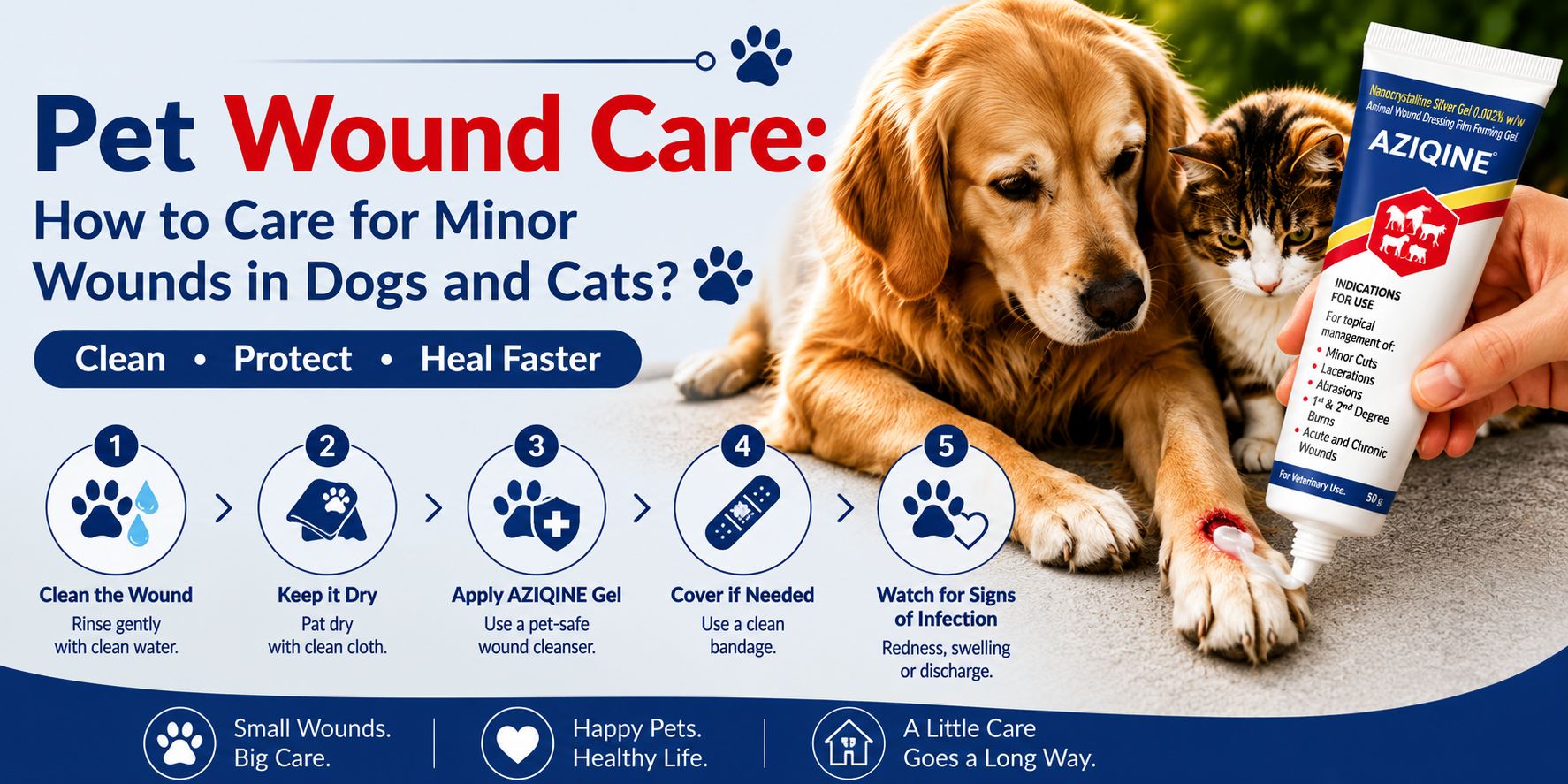 Sep 28, 2026
Pet Wound Care: How to Care for Minor Wounds in Dogs and Cats -
 Sep 25, 2026
Signs of Joint Pain in Dogs: Spot Early. Support Better Mobility -
 Jul 30, 2026
Is Your Pet Sleeping More & Playing Less? Hidden Signs of Joint Discomfort -
 Jul 25, 2026
How Insects Affect Horse Comfort, Sleep & Daily Performance -
 Jul 20, 2026
Why Sudden Vomiting in Pets Should Never Be Ignored: Common Gastro Problems Explained
What Is Deworming for Pets? Types of Worms & How They Affect Health
Mar 26, 2026
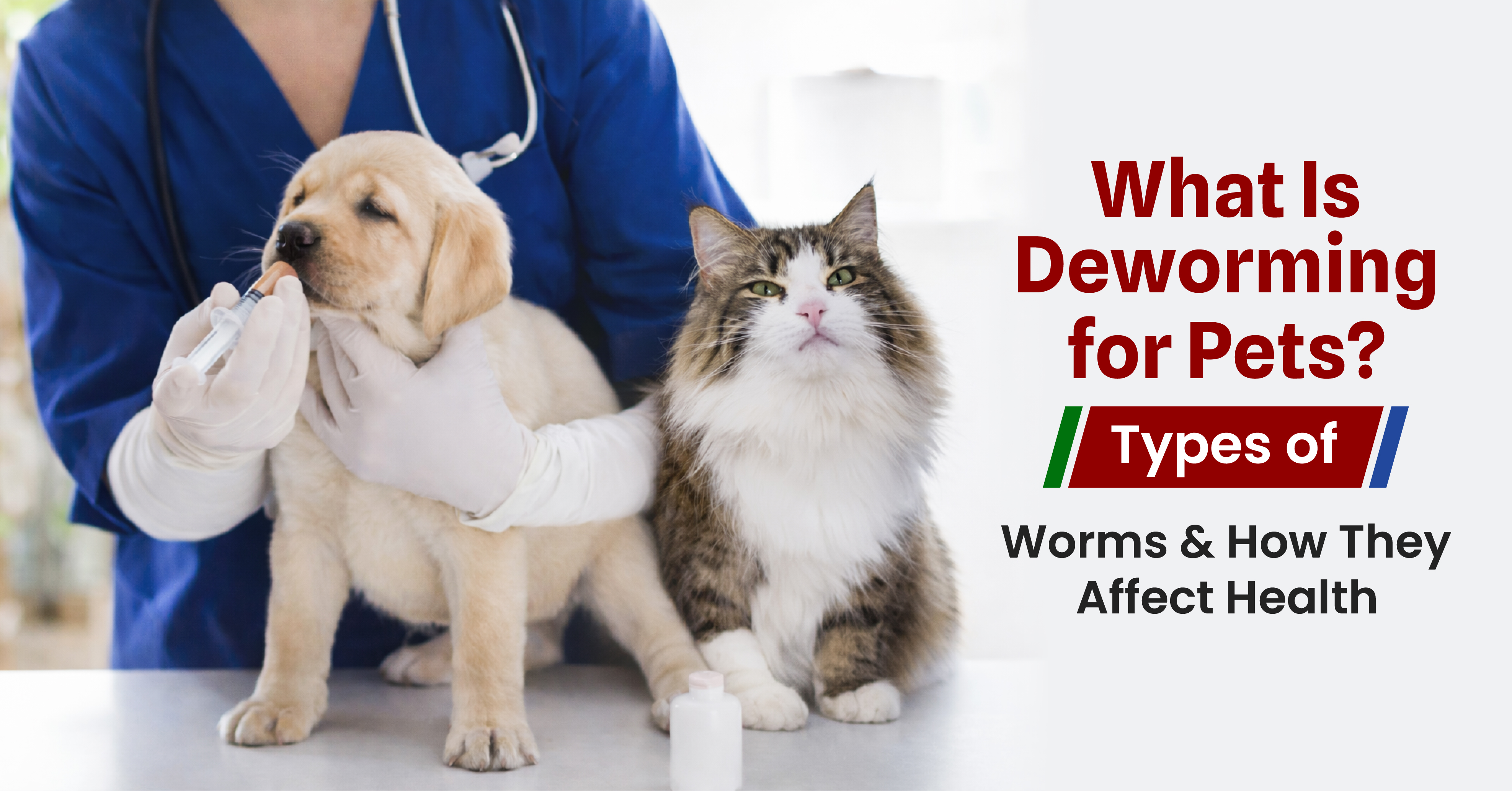
Deworming for pets is the process of removing internal parasites like roundworms, hookworms, and tapeworms using safe medications. These worms live inside a pet’s body and can cause digestive problems, weight loss, anemia, and poor growth if untreated. Regular use of pet deworming medicine helps protect puppies, adult dogs, and cats from serious health risks. Early and routine deworming is especially important for young pets because they are more vulnerable to infections. Preventive schedules reduce the risk of reinfection and protect both pets and families.
What Is Deworming for Pets?
Deworming is the treatment process used to eliminate internal parasites from a pet's body. These parasites, commonly referred to as worms, live primarily in the intestines but can also affect other organs. They feed on nutrients meant for your pet, weakening overall health.
Deworming involves administering pet deworming medicine in the form of tablets, syrups, or other veterinary-approved treatments. The medication either kills the worms or paralyzes them so they can be safely passed through the stool.
Unlike vaccines, deworming does not provide lifelong immunity. Pets can get infected again, which is why routine treatment schedules are necessary.
Why Deworming Is Essential for Dogs and Cats
Internal parasites are common in both indoor and outdoor pets. Puppies and kittens are especially prone to infections because they can acquire worms from their mothers even before birth or through nursing.
Without treatment, worms may cause:
- Poor growth and delayed development
- Digestive disturbances such as diarrhea and vomiting
- Loss of appetite or unexpected weight loss
- Weakness due to anemia
- Dull coat and poor skin condition
Regular deworming tablets for dogs and appropriate cat deworming medicine reduce the parasite burden and support healthy growth. Preventive treatment also lowers the risk of certain parasites spreading to humans, especially children.
Common Types of Worms in Pets
Different worms affect pets in different ways. Understanding them helps in early detection and proper treatment.
Roundworms
Roundworms are the most common intestinal parasites in puppies and kittens. They are long, spaghetti-like worms that live in the intestines.
Pets may get infected through contaminated soil, infected feces, or from their mother. Symptoms include bloating, diarrhea, and visible worms in vomit or stool. Early use of puppy deworming medicine is critical to prevent complications.
Hookworms
Hookworms attach to the intestinal lining and feed on blood. They are smaller but more dangerous because they can cause anemia.
Symptoms may include pale gums, weakness, bloody stools, and weight loss. Hookworm infections require prompt treatment using targeted pet deworming medicine.
Tapeworms
Tapeworms are segmented worms often transmitted through fleas. You may notice small rice-like segments around your pet's tail or in bedding.
While tapeworm infections may not always cause severe illness, treatment with proper deworming tablets for dogs or cat deworming medicine is necessary to prevent recurrence.
Whipworms
Whipworms live in the large intestine and can cause chronic diarrhea and inflammation. Diagnosis often requires laboratory testing, and specific medications are prescribed for effective removal.
How Worms Affect Your Pet's Health
Nutrient Loss
Worms consume nutrients from your pet's digestive tract. This can lead to poor weight gain, especially in growing puppies and kittens.
Digestive Irritation
Parasites irritate the intestinal lining, leading to diarrhea, vomiting, and abdominal discomfort. Chronic irritation may weaken overall immunity.
Blood Loss and Anemia
Hookworms, in particular, feed on blood. Severe infestations can cause life-threatening anemia, especially in young animals.
Reduced Immunity
A heavy worm burden weakens the immune system, making pets more susceptible to infections and illnesses.
Routine deworming syrup for pets and other prescribed treatments help break this cycle and restore balance.
When to Start Deworming Puppies and Kittens
Puppies
Puppy deworming medicine usually begins at 2 to 3 weeks of age. Because many puppies are born with worms, early intervention is essential.
A typical schedule may include:
- Deworming every two weeks until 12 weeks of age
- Monthly treatments until six months
- Routine adult schedule thereafter
Kittens
Kittens follow a similar schedule and require cat deworming medicine appropriate for their size and age.
Adult Dogs and Cats
Adult pets are generally dewormed every three to six months depending on their lifestyle. Pets that go outdoors frequently or hunt may require more frequent treatment.
Always consult a veterinarian to determine the safest and most effective schedule.
Types of Pet Deworming Medicine
Deworming Tablets for Dogs
Tablets are commonly used for adult dogs. They are easy to dose according to body weight and often treat multiple types of worms.
Deworming Syrup for Pets
Liquid formulations are ideal for young puppies, kittens, or pets that resist tablets. Deworming syrup for pets allows accurate dosing and is easier to administer in small animals.
Cat Deworming Medicine
Cats require species-specific formulations. Never give dog medications to cats unless directed by a veterinarian.
Broad-Spectrum Treatments
Some pet deworming medicine products target multiple parasites in one dose. These are often used in routine preventive programs.
Signs Your Pet May Have Worms
Even with preventive care, pets can become infected. Watch for these warning signs:
- Visible worms in stool
- Scooting or excessive licking of the rear area
- Persistent diarrhea
- Vomiting
- Bloated abdomen
- Weight loss despite normal eating
- Lethargy
If any of these symptoms appear, consult your veterinarian for diagnosis and appropriate treatment.
Preventing Reinfection
Maintain Clean Surroundings
Dispose of pet waste promptly and keep living areas clean.
Control Fleas
Since fleas can transmit tapeworms, regular flea prevention is essential.
Regular Checkups
Routine veterinary visits and stool testing help detect hidden infections early.
Safe Feeding Practices
Avoid feeding raw or contaminated food, and prevent pets from scavenging outdoors.
Combining preventive hygiene with scheduled pet deworming medicine ensures long-term protection.
Frequently Asked Questions
How often should pets be dewormed?
Puppies and kittens require frequent deworming during early life. Adult dogs and cats are typically treated every three to six months depending on risk factors and veterinary advice.
Can indoor pets get worms?
Yes. Indoor pets can become infected through contaminated shoes, insects, fleas, or contact with other animals.
Is deworming safe for young pets?
When given at the correct dosage, puppy deworming medicine and kitten formulations are generally safe. Always follow veterinary guidance.
Can humans get worms from pets?
Some intestinal parasites are zoonotic, meaning they can infect humans. Regular deworming and hygiene practices reduce this risk.
Final Takeaway
Deworming for pets is a fundamental part of responsible animal care. Internal parasites such as roundworms, hookworms, tapeworms, and whipworms can silently damage your pet's health if left untreated. Early use of puppy deworming medicine, routine deworming tablets for dogs, proper cat deworming medicine, and appropriate deworming syrup for pets help eliminate harmful parasites and protect long-term well-being.
By following a regular schedule, maintaining hygiene, and consulting your veterinarian, you can safeguard your pet from preventable health issues. Consistent parasite control supports healthy growth, strong immunity, and a better quality of life for your furry companion.