Table of Contents
More from Blog
-
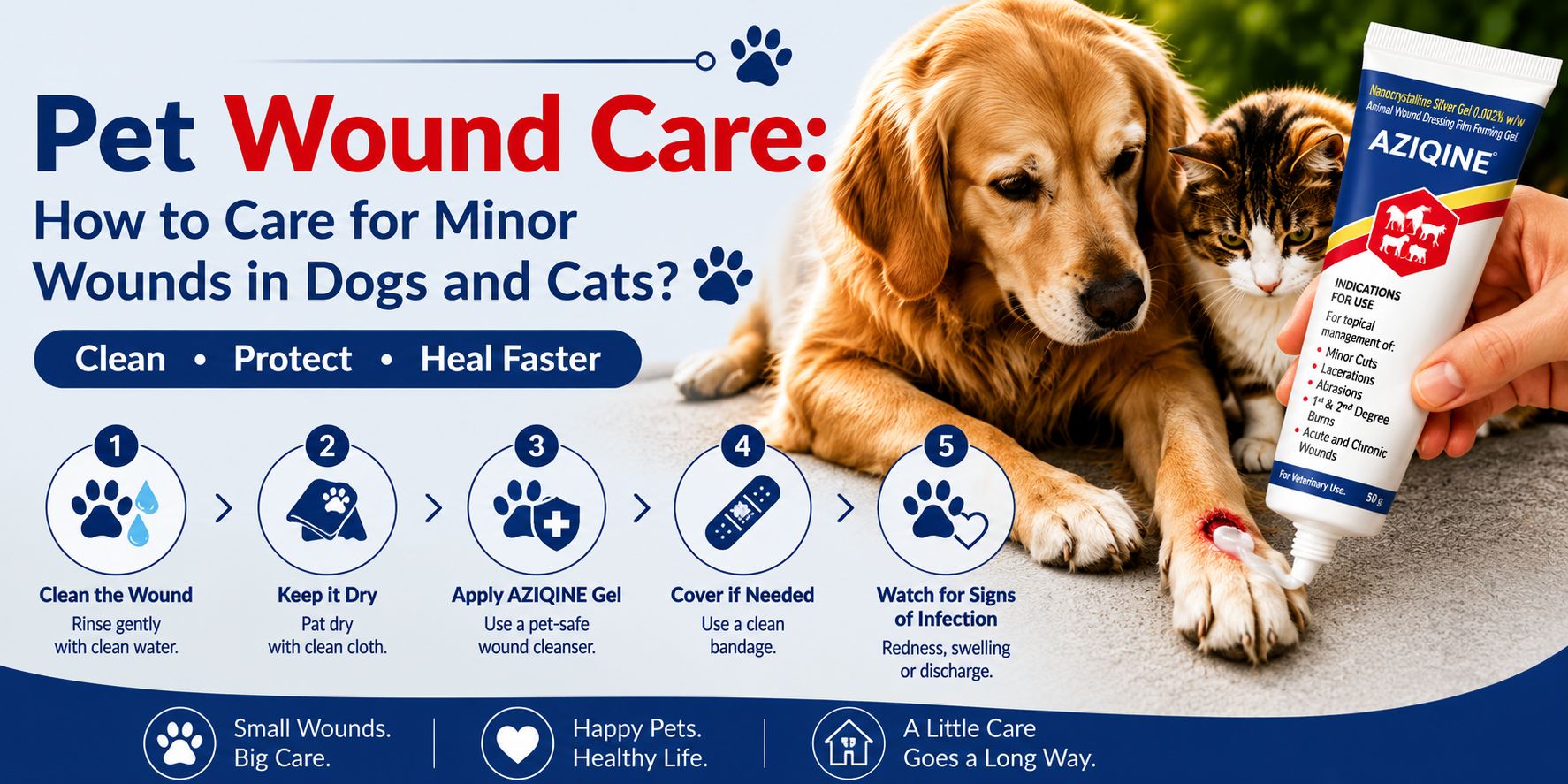 Sep 28, 2026
Pet Wound Care: How to Care for Minor Wounds in Dogs and Cats -
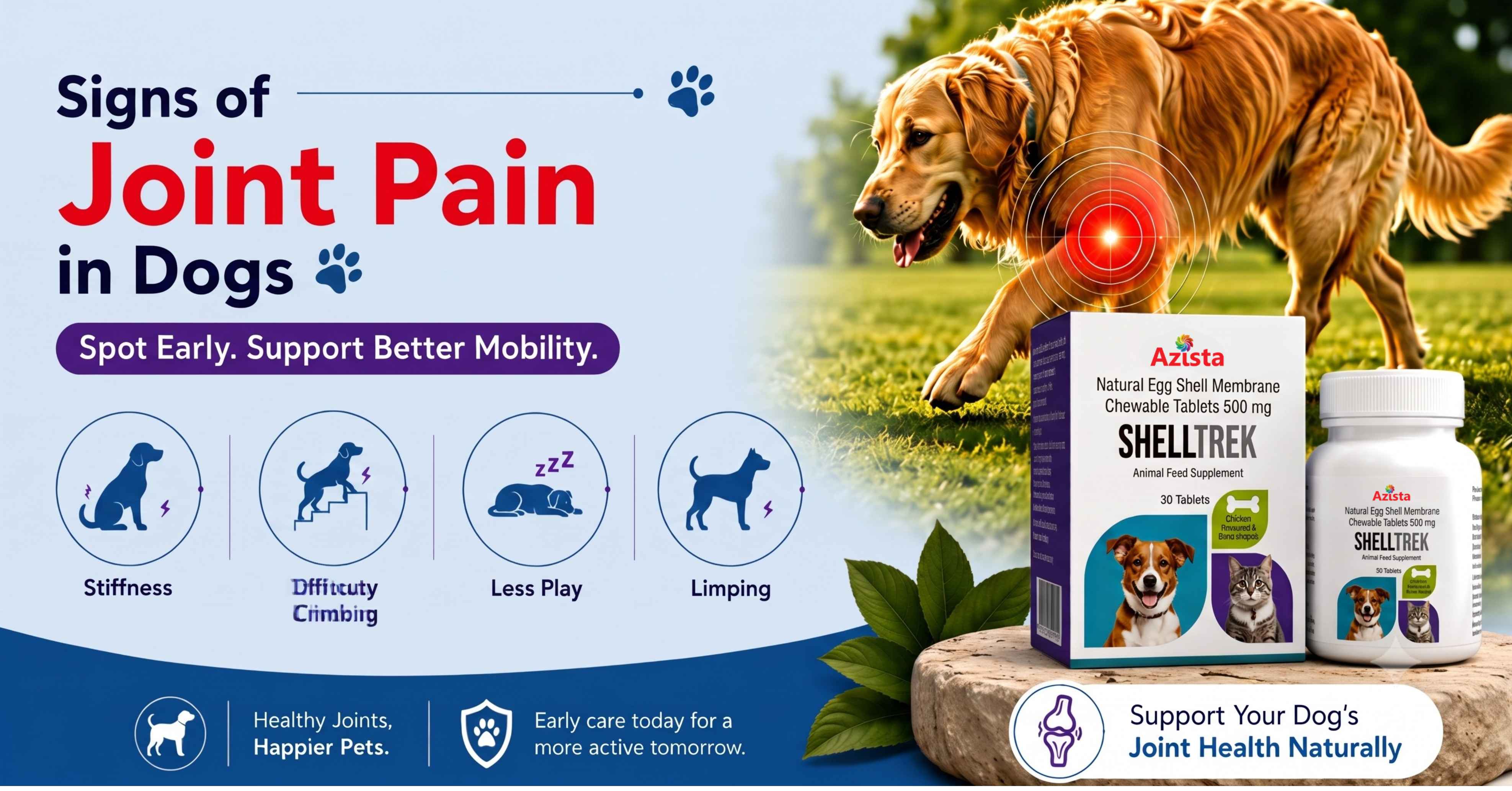 Sep 25, 2026
Signs of Joint Pain in Dogs: Spot Early. Support Better Mobility -
 Jul 30, 2026
Is Your Pet Sleeping More & Playing Less? Hidden Signs of Joint Discomfort -
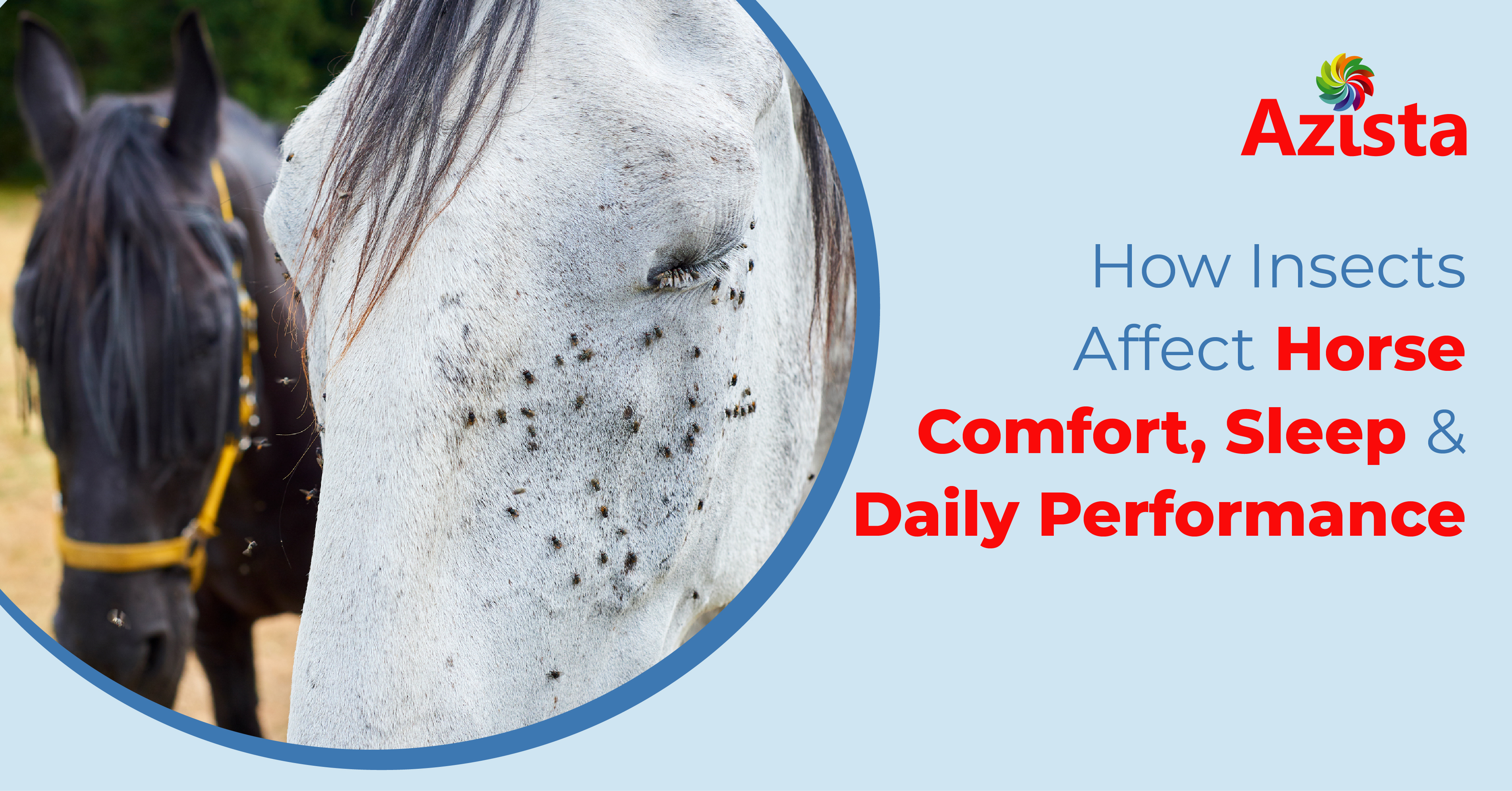 Jul 25, 2026
How Insects Affect Horse Comfort, Sleep & Daily Performance -
 Jul 20, 2026
Why Sudden Vomiting in Pets Should Never Be Ignored: Common Gastro Problems Explained
Pet Grooming 101: Shampoo, Skin Care, and Keeping Your Dog Flake-Free
Mar 22, 2026
Pet grooming is more than keeping your dog clean—it plays a vital role in skin health, comfort, and overall well-being. Using the right dog shampoo, maintaining proper skin care, and following a consistent grooming routine can help prevent dryness, itching, and dandruff. Many skin issues in dogs begin with improper bathing or unsuitable grooming products. This guide explains how shampoos, skin care practices, and grooming habits work together to keep your dog healthy and flake-free.
Why Pet Grooming Is Important
Regular pet grooming helps maintain clean skin, a healthy coat, and early detection of skin issues. Grooming removes dirt, allergens, dead hair, and excess oils that can clog pores and irritate the skin. Beyond hygiene, grooming sessions allow pet owners to notice changes such as redness, flakes, lumps, or hair loss early. A consistent grooming routine contributes to comfort, mobility, and overall quality of life for dogs of all ages.
Understanding Dog Skin and Coat Health
A dog's skin is more sensitive than human skin and has a different pH balance. Healthy skin acts as a barrier against bacteria, allergens, and environmental stressors. The coat helps regulate body temperature and protects the skin from physical damage. When the skin barrier is disrupted, dogs may experience itching, dryness, dandruff, or infections. Proper grooming and the use of a suitable skin care shampoo for dogs help maintain this natural balance.
Common Skin Problems in Dogs
Skin issues are among the most common concerns in dogs and are often linked to grooming practices.
Dry Skin and Dandruff
Flaky skin, often referred to as dandruff, can result from dryness, poor nutrition, or harsh grooming products. An anti dandruff dog shampoo can help reduce flakes while moisturizing the skin.
Itching and Irritation
Frequent scratching or licking may indicate irritation caused by allergens, parasites, or unsuitable shampoos.
Excess Oil or Odor
Overactive oil glands can lead to greasy coats and unpleasant odors, often requiring proper cleansing with a pet grooming shampoo designed for dogs.
Role of Shampoo in Pet Grooming
Shampoo is a core component of any grooming routine. Unlike human shampoos, dog shampoos are formulated to match a dog's skin pH and coat needs. Using the wrong product can strip natural oils and worsen dryness or irritation. A good dog shampoo cleans effectively while supporting skin health and coat shine.
Types of Dog Shampoos and Their Uses
Different dogs have different skin and coat requirements. Understanding shampoo types helps in choosing the right product.
Dog Shampoo for Regular Cleaning
Standard dog shampoos are designed for routine bathing and help remove dirt and odor without drying the skin.
Anti Dandruff Dog Shampoo
These shampoos target flaky skin and dryness. They often contain moisturizing and soothing ingredients that help restore skin balance.
Skin Care Shampoo for Dogs
Formulated for sensitive or problem-prone skin, these shampoos focus on calming irritation and supporting the skin barrier.
Pet Grooming Shampoo for Multiple Needs
Some grooming shampoos are suitable for regular maintenance and light skin care, making them ideal for dogs without specific skin issues.
Choosing the Right Shampoo for Your Dog
Consider Skin Sensitivity
Dogs with sensitive or dry skin benefit from gentle, moisturizing formulas. Avoid products with strong fragrances or harsh chemicals.
Match Shampoo to Coat Type
Short-haired and long-haired dogs may have different grooming needs. Coat type influences how often bathing is required and which shampoo works best.
Avoid Human Shampoos
Human products can disrupt a dog's skin pH and cause irritation. Always use shampoos formulated specifically for dogs.
Puppy Grooming and Gentle Skin Care
Puppies have delicate skin that requires extra care. A puppy shampoo is designed to be mild and non-irritating. Early grooming helps puppies get comfortable with bathing and handling, making grooming easier as they grow. Puppy grooming sessions should be short, gentle, and infrequent to avoid drying the skin.
How to Use Dog Shampoo Correctly
Using shampoo properly is just as important as choosing the right one.
Start by brushing your dog to remove loose hair and tangles. Wet the coat thoroughly with lukewarm water, apply the shampoo evenly, and gently massage into the skin. Allow the shampoo to remain for the recommended time, then rinse thoroughly. Residue left on the skin can cause irritation, so proper rinsing is essential.
Preventing Dandruff and Dry Skin
Balanced Bathing Frequency
Overbathing can strip natural oils and worsen dryness. Most dogs benefit from bathing every 3–4 weeks unless otherwise needed.
Hydration and Nutrition
Proper hydration and a balanced diet support skin health from within. Omega fatty acids and essential nutrients contribute to a healthy coat.
Environmental Factors
Dry weather, indoor heating, and seasonal changes can affect skin moisture. Adjust grooming routines accordingly to prevent flaking.
Grooming Habits That Support Skin Health
Regular brushing distributes natural oils, removes dead hair, and improves circulation. Keeping your dog's bedding clean reduces exposure to allergens. Nail trimming, ear cleaning, and paw care also contribute to overall grooming and comfort.
Common Grooming Mistakes to Avoid
Using the wrong shampoo, bathing too frequently, or skipping grooming altogether can lead to skin problems. Another common mistake is ignoring early signs of skin issues, which may worsen without proper care. Consistency and gentle handling are key to effective grooming.
Frequently Asked Questions
How often should I bathe my dog?
Most dogs do well with bathing every few weeks, depending on activity level and skin type.
Can puppy shampoo be used on adult dogs?
Puppy shampoos are gentle and may be used on adults with sensitive skin, but they may not address specific skin issues.
Is anti dandruff dog shampoo safe for regular use?
Anti dandruff shampoos are generally safe when used as directed, but frequency should match your dog's needs.
What signs indicate a shampoo change is needed?
Persistent itching, dryness, or flakes may indicate the current shampoo is not suitable.
Final Takeaway
Pet grooming is an essential part of maintaining your dog's skin and coat health. Choosing the right dog shampoo, following proper bathing techniques, and maintaining consistent grooming habits can help prevent dandruff, irritation, and discomfort. Whether using a puppy shampoo, anti dandruff dog shampoo, or a skin care shampoo for dogs, the right approach supports a clean, comfortable, and flake-free coat. With thoughtful grooming practices, you can keep your dog healthy, happy, and well cared for every day.