Table of Contents
More from Blog
-
 Sep 25, 2026
Signs of Joint Pain in Dogs: Spot Early. Support Better Mobility -
 Jul 30, 2026
Is Your Pet Sleeping More & Playing Less? Hidden Signs of Joint Discomfort -
 Jul 25, 2026
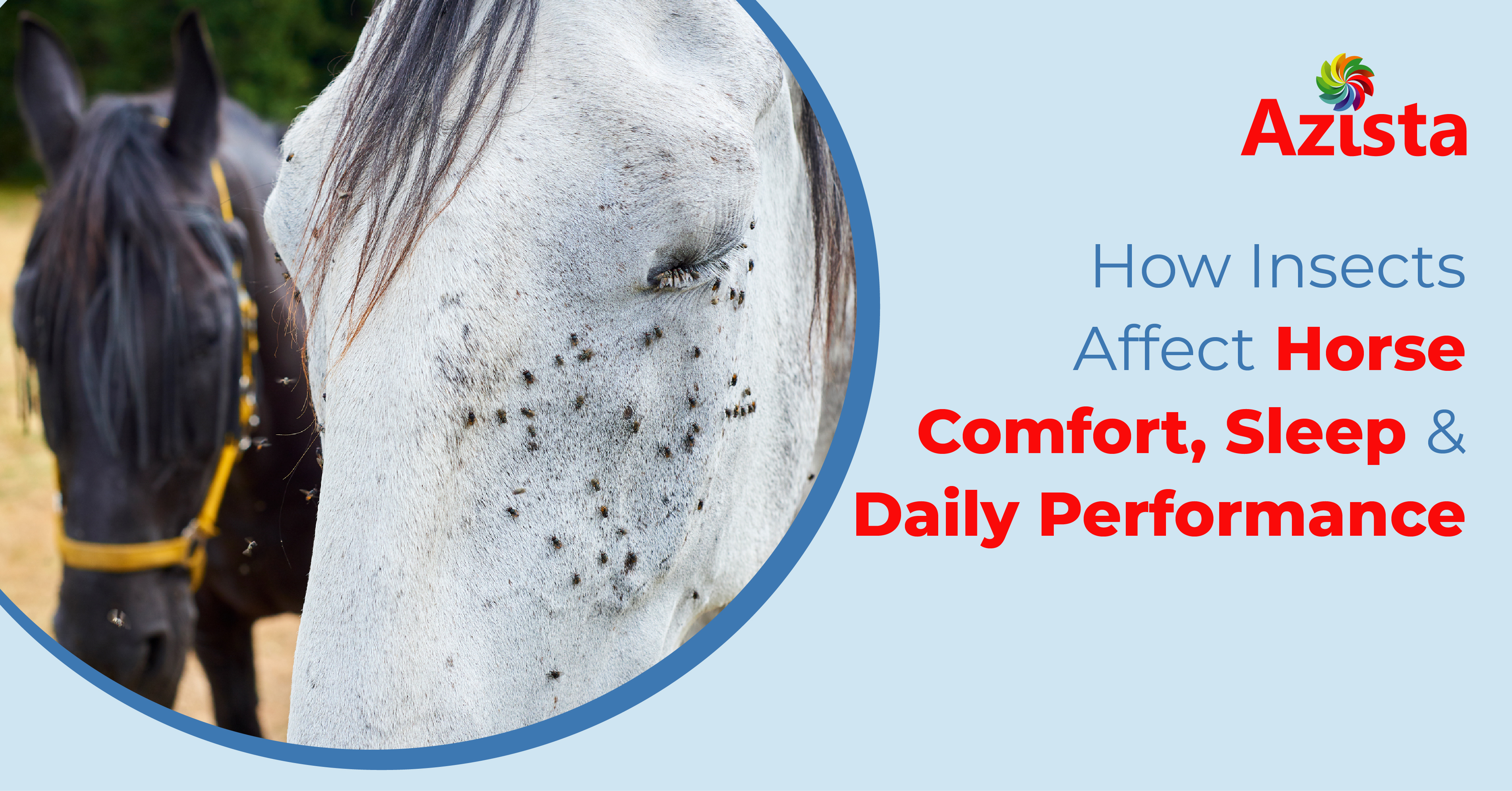
How Insects Affect Horse Comfort, Sleep & Daily Performance -
 Jul 20, 2026
Why Sudden Vomiting in Pets Should Never Be Ignored: Common Gastro Problems Explained -
 Jul 15, 2026
Is Your Pet Constantly Licking or Scratching? It Could Be a Fungal Infection
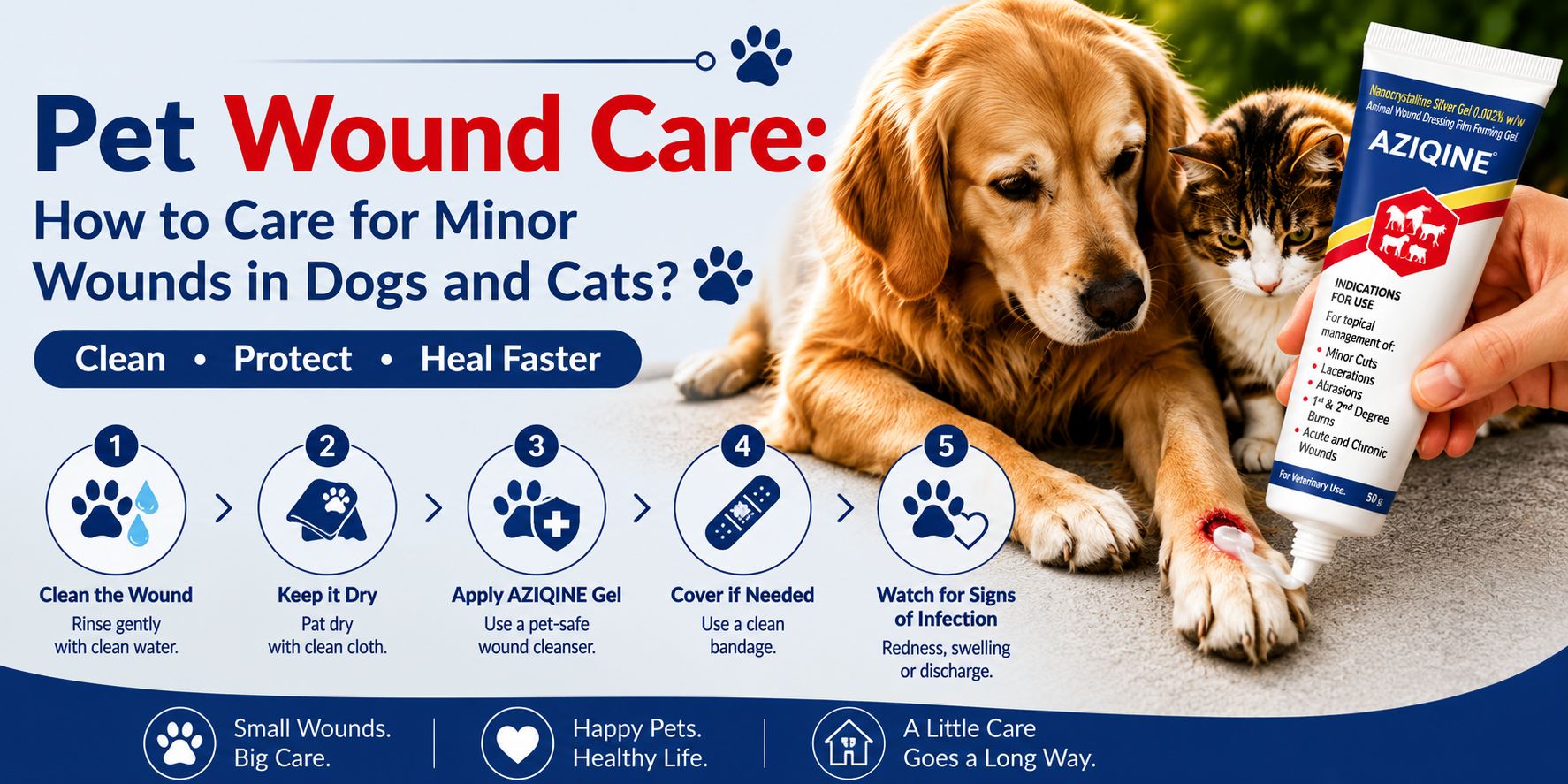
Pet Wound Care: How to Care for Minor Wounds in Dogs and Cats
Sep 28, 2026
Cuts, scratches, and abrasions are common in pets, especially those that spend time outdoors or enjoy active play. While many minor wounds can be managed with proper care, knowing what to do and what to avoid can make a significant difference in your pet's recovery.
Whether you're dealing with a small scrape on your dog or a superficial scratch on your cat, following the right pet wound care gel can help support healing and reduce the risk of complications.
5 Essential Steps for Pet Wound Care
1. Assess the Wound
Start by examining the affected area carefully. Minor cuts, scratches, and abrasions may often be managed at home, while deep wounds, bite injuries, punctures, or wounds with heavy bleeding should be evaluated by a veterinarian.
If you're unsure about the severity of the wound, it's always safe to seek professional advice.
2. Control Any Bleeding
If the wound is bleeding, apply gentle pressure using a clean gauze or a clean cloth.
Minor bleeding often stops within a few minutes. However, persistent or heavy bleeding requires immediate veterinary attention.
3. Clean the Area Gently
Cleaning helps remove dirt, debris, and contaminants that could interfere with healing.
Use clean water or sterile saline to gently rinse the wound. Avoid aggressive scrubbing, as this may damage healing tissue and cause discomfort.
Proper cleaning is one of the most important aspects of effective dog wound care and cat wound care.
4. Protect the Wound
Once the wound is clean, protecting it becomes equally important.
Exposure to dirt, dust, moisture, and constant licking can delay healing and increase the risk of complications. Veterinary wound-care products like Aziqine Animal Wound Gel can help create a protective environment while supporting the natural healing process.
5. Monitor Healing
Even minor wounds should be checked regularly.
Watch for signs such as
- Increased redness
- Swelling
- Discharge
- Foul odour
- Excessive pain
- Delayed healing
If the wound appears to worsen rather than improve, consult your veterinarian.
Common Pet Wound Care Mistakes to Avoid
Many pet owners unintentionally make mistakes that can slow the healing process.
Using Hydrogen Peroxide or Alcohol
Although commonly used for cleaning surfaces, these products can irritate healthy tissue and may interfere with wound healing.
Applying Human Creams or Ointments
Not all human wound-care products are suitable for animals. Some ingredients may cause irritation or be unsafe if ingested through licking.
Letting Pets Lick Their Wounds
Many pets instinctively lick injured areas, but excessive licking can introduce contaminants, remove protective wound products, and delay recovery.
Ignoring Small Wounds
Even a small wound can become problematic if it becomes contaminated or infected. Regular monitoring is essential.
How Aziqine Supports Pet Wound Healing
Protecting a wound after cleaning is a key part of successful pet wound healing.
Silver-based wound dressings have been widely studied for their antimicrobial properties, while hydrogel dressings help maintain a moist environment that supports the natural wound-healing process. Recent research has shown that silver nanoparticle-containing hydrogels can help reduce bacterial burden and support tissue repair in wound models. (Fayaz et al., 2024b)
Aziqine Animal Wound Gel is formulated with nanocrystalline silver and a soothing hydrogel base to support wound-care management in animals. The gel spreads easily and forms a breathable protective layer that helps shield wounds from environmental contaminants while maintaining a moist wound environment.
Its film-forming hydrogel technology helps keep the wound protected while remaining comfortable for active pets. Suitable for dogs, cats, horses, birds, and other companion animals, Aziqine can be used as part of a veterinarian-recommended wound-care routine for minor cuts, abrasions, scratches, and post-procedural wound management.
When Should You See a Veterinarian?
While home care may be appropriate for some minor wounds, certain situations require professional assessment.
Seek veterinary attention if your pet has
- Deep wounds
- Bite wounds
- Puncture wounds
- Heavy or persistent bleeding
- Significant swelling
- Abnormal discharge
- Foul odour
- Severe pain
- Difficulty walking
- A wound that does not appear to be healing
Prompt treatment can help prevent complications and support faster recovery.
Conclusion
Proper pet wound care involves more than simply cleaning an injury. Assessing the wound, controlling bleeding, cleaning the area, protecting the wound, and monitoring recovery are all important steps in supporting healing.
For minor cuts, scratches, and abrasions, veterinary wound-care products such as Aziqine Animal Wound Gel can help protect the wound and support the natural healing process. However, if a wound appears severe, infected, or fails to improve, veterinary attention should always be sought.
For pet owners looking for a convenient wound-care solution, Aziqine Animal Wound Gel can be used as part of a veterinarian-recommended wound-management routine for minor cuts, scratches, abrasions, and superficial wounds.
Learn more about Aziqine and support your pet's recovery with effective wound care.
References
Fayaz, R., Farahpour, M. R., & Tabatabaei, Z. G. (2024). The effects of bioactive glass hydrogel coated with hyaluronic acid-Pluronic F-127 conjugates containing silver nanoparticles for accelerating of infected wounds healing. International Journal of Pharmaceutics, 664, 124448. https://doi.org/10.1016/j.ijpharm.2024.124448
FAQs
-
How should I clean my dog's wound?
For minor wounds, gently rinse the area with clean water or sterile saline to remove dirt and debris. Consult your veterinarian if the wound is deep, contaminated, or bleeding heavily.
-
Can I apply human antiseptic creams to my pet's wound?
Human wound-care products should only be used if approved by your veterinarian. Some ingredients may not be suitable for animals.
-
Should I stop my pet from licking a wound?
Yes. Excessive licking can irritate the wound, introduce contaminants, and slow the healing process.
-
Can Aziqine be used for dogs and cats?
Yes. Aziqine Animal Wound Gel is suitable for dogs, cats, horses, birds, and other companion animals when used according to product directions and veterinary guidance.
-
What types of wounds can Aziqine be used for?
Aziqine may be used as part of a wound-care routine for minor cuts, abrasions, scratches, superficial wounds, and post-procedural wound management, following veterinary guidance.