Table of Contents
More from Blog
-
 Oct 28, 2026
10 Common Signs of Ear Infections in Dogs and Cats Every Pet Parent Should Know -
 Oct 24, 2026
Early Signs of Liver Problems in Dogs and Cats: Symptoms Every Pet Parent Should Know -
 Sep 28, 2026
Pet Wound Care: How to Care for Minor Wounds in Dogs and Cats -
 Sep 25, 2026
Signs of Joint Pain in Dogs: Spot Early. Support Better Mobility -
 Jul 30, 2026
Is Your Pet Sleeping More & Playing Less? Hidden Signs of Joint Discomfort
Probiotics for Dogs and Cats: Benefits for Gut Health and Digestion
Oct 26, 2026
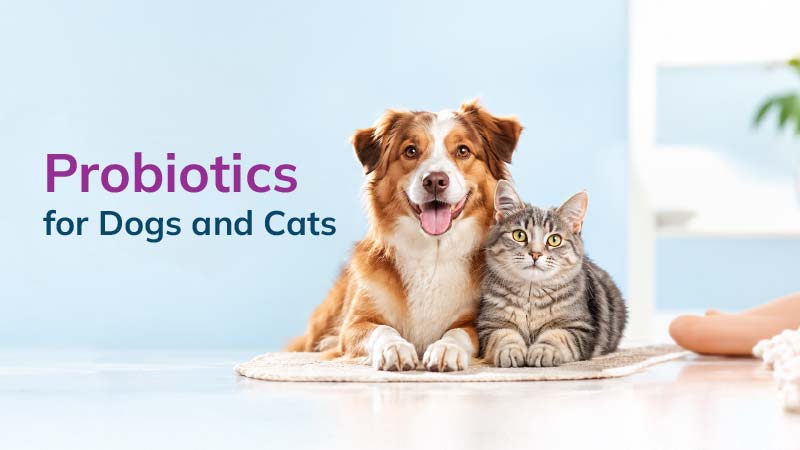
Have you ever noticed your dog struggling with an upset stomach, loose stools, excessive gas, or digestive discomfort after a diet change?
As pet parents, we've all been there. While occasional digestive issues are common, recurring stomach problems can affect your dog's comfort, energy levels, and overall health.
What many pet owners don't realize is that a healthy gut does much more than digest food. Your dog's gut plays a major role in nutrient absorption, immune function, skin health, and even overall well-being.
That's why probiotics for dogs have become such an important part of modern pet care.
So, What Are Probiotics?
Think of probiotics as the "good bacteria" that live inside your dog's digestive system. These beneficial microorganisms help keep the gut balanced and functioning properly.
Together, these beneficial microorganisms form part of your dog's gut microbiome, a complex community of bacteria and other microbes that plays an important role in digestion, nutrient absorption, immune function, and overall health. Maintaining a healthy gut microbiome helps support digestive balance and contributes to your dog's long-term well-being.
When everything is working as it should, these good bacteria help digest food, absorb nutrients, and keep harmful bacteria in check. But factors like stress, travel, dietary changes, infections, or antibiotic treatments can disrupt this balance.
That's where a probiotic for dogs can help. By introducing beneficial bacteria back into the digestive system, probiotics help restore balance and support healthy digestion.
Why Is Gut Health So Important?
Many people think digestion starts and ends with food, but your dog's gut is responsible for much more.
A healthy digestive system helps
- Break down food efficiently
- Absorb essential nutrients
- Support the immune system
- Maintain healthy skin and coat
- Promote energy and vitality
In fact, a large portion of your dog's immune system is closely linked to the gut. When gut health is compromised, other aspects of health can be affected too.
How Probiotics Help Dogs Feel Their Best
One of the biggest benefits of probiotics for dogs is digestive support.
If your dog occasionally experiences loose stools, bloating, gas, or stomach sensitivity, probiotics may help restore a healthier balance of gut bacteria.
Many veterinarians recommend veterinary probiotics during periods of digestive upset or after antibiotic therapy because antibiotics can reduce both harmful and beneficial bacteria.
Some pet owners also choose to use probiotics daily as part of a preventive wellness routine, especially for dogs with sensitive stomachs.
Signs Your Dog May Need Probiotics
Wondering whether your dog might need extra digestive support? While every dog is different, certain signs may indicate that their gut need probiotics.
Infographic content https://pin.it/1W6i3NPyJ

8 Signs Your Dog May Need Probiotics
- Frequent diarrhoea or loose stools
- Excessive gas or bloating
- Sensitive stomach
- Irregular bowel movements
- Digestive upset during travel or stress
- Recent antibiotic treatment
- Changes in appetite related to digestive discomfort
- Difficulty adjusting to new foods
If your dog experiences persistent digestive symptoms, consult your veterinarian to identify the underlying cause and determine the most appropriate care plan.
Probiotics Are Great But They Work Even Better with Digestive Enzymes
Here's something many pet owners don't know.
While probiotics help maintain healthy gut bacteria, digestive enzymes for dogs help break food down into nutrients the body can absorb.
It's a bit like having a well-organized kitchen. Probiotics keep everything running smoothly, while enzymes do the actual work of breaking down food.
That's why many advanced gut health supplements for dogs now combine probiotics with digestive enzymes such as papain, bromelain, lipase, and amylase. For example, products like GUTMAX-360 include both probiotics and digestive enzymes, helping support digestion from multiple angles rather than relying on probiotics alone.
What's the Difference Between Probiotics and Prebiotics?
This is a common question.
Probiotics are the beneficial bacteria themselves.
Prebiotics are the nutrients that feed those beneficial bacteria and help them grow.
Imagine planting a garden. The probiotics are the plants, while prebiotics are the fertilizer that helps them thrive.
That's why many veterinarians recommend pre and probiotics for dogs together. A combination of both can provide more comprehensive support for digestive balance and long-term gut health.
Infographic content https://pin.it/2ao1SxasR

Probiotics + Prebiotics = A healthier digestive system for your dog
|
Probiotics |
Prebiotics |
|
Good bacteria |
Food for good bacteria |
|
Add beneficial microbes |
Help beneficial microbes grow |
|
Support digestion & immunity |
Support gut balance & health |
Can Probiotics Help with Diarrhoea and Digestive Upset?
In many cases, yes.
Digestive issues can happen for all kinds of reasons, from eating something unusual to stress during travel or changes in food.
A quality dog probiotic powder can help support the natural balance of intestinal bacteria during these situations. Multi-strain formulas that contain beneficial bacteria along with prebiotics and digestive enzymes are often preferred because they provide broader digestive support.
Products such as GUTMAX-360 are designed with this approach in mind, combining multiple probiotic strains, prebiotics, and digestive enzymes to help support healthy digestion and normal bowel function.
What About Skin and Coat Health?
Believe it or not, digestive health and skin health are often connected.
When your dog absorbs nutrients more efficiently, those nutrients can be used to support healthy skin and a shiny coat. Many pet owners notice improvements in coat quality when digestive issues are properly managed and gut health is supported.
While probiotics aren't a replacement for a balanced diet, they can play an important role in helping your dog get the most from the nutrients they consume.
How Do You Choose Good Probiotics for Dogs?
With so many options available, choosing good probiotics for dogs can feel overwhelming.
When evaluating a supplement, look for
Multiple Probiotic Strains
Different bacterial strains support different aspects of digestive health. Multi-strain formulas generally provide broader support.
Adequate CFU Count
CFU (Colony Forming Units) indicates the number of live microorganisms present. Quality products typically contain billions of CFUs per serving.
Added Prebiotics
Prebiotics help nourish beneficial bacteria and support long-term microbiome balance.
Digestive Enzymes
Products containing digestive enzymes for dogs can provide more comprehensive digestive support.
Convenient Administration
Many pet owners prefer a dog probiotic powder or sachet format because it can be mixed directly with food.
Quality Ingredients
Look for formulations that are easy to digest and suitable for daily use. Many of the top rated probiotics for dogs combine these features into one convenient supplement.
When Should You Consider Giving Your Dog Probiotics?
Your veterinarian may recommend a probiotic for a dog during
- Digestive upset
- Diarrhoea or loose stools
- Antibiotic treatment
- Dietary transitions
- Travel or stress
- Sensitive stomach issues
- Recovery after gastrointestinal disturbances
Some pet owners also use probiotics year-round to help maintain digestive and immune health.
Final Thoughts
A healthy gut is one of the most important foundations of your dog's overall wellness. From supporting digestion and nutrient absorption to helping maintain immune function and a healthy coat, probiotics can provide valuable everyday support.
When probiotics are combined with prebiotics and digestive enzymes for dogs, they offer a more complete approach to digestive care. That's why many pet owners choose comprehensive formulations such as GUTMAX-360, which combines multi-strain probiotics, prebiotics, digestive enzymes, and supportive nutrients in a convenient daily supplement.
After all, when your dog's gut feels good, the rest of their body often benefits too and that's something every pet parent wants.
Frequently Asked Questions
- Can dogs take probiotics every day?
Many probiotic supplements are formulated for daily use. Always follow the product instructions and consult your veterinarian if you have concerns about your dog's specific needs. - How long does it take for probiotics to work in dogs?
Some dogs may show improvements within a few days, while others may require several weeks of consistent use depending on their digestive health and individual circumstances. - Are probiotics safe for puppies?
Many probiotic supplements are suitable for puppies and kittens when used according to the manufacturer's recommendations or veterinary guidance. - Can probiotics help dogs with diarrhoea?
Probiotics may help support normal digestive function and promote a balanced gut microbiome during periods of digestive upset. - What's the difference between dog stomach enzymes and probiotics?
Dog stomach enzymes help break down food into absorbable nutrients, while probiotics help maintain a healthy balance of beneficial bacteria within the digestive tract. Both play important but different roles in digestive health.
Support your pet's digestive health, immunity, and overall wellness with GUTMAX-360. Shop now on the Azista Store and give your dog the daily probiotic support they deserve.
References:
Atuahene, D., Mukarram, S. A., Balouei, F., & Antwi, A. (2024). Gut Health Optimization in Canines and Felines: Exploring the Role of Probiotics and Nutraceuticals. Pets, 1(2), 135-151. https://doi.org/10.3390/pets1020011
Xia, J., Cui, Y., Guo, Y., Liu, Y., Deng, B., & Han, S. (2024). The Function of Probiotics and Prebiotics on Canine Intestinal Health and Their Evaluation Criteria. Microorganisms, 12(6), 1248. https://doi.org/10.3390/microorganisms12061248