Table of Contents
More from Blog
-
 Sep 28, 2026
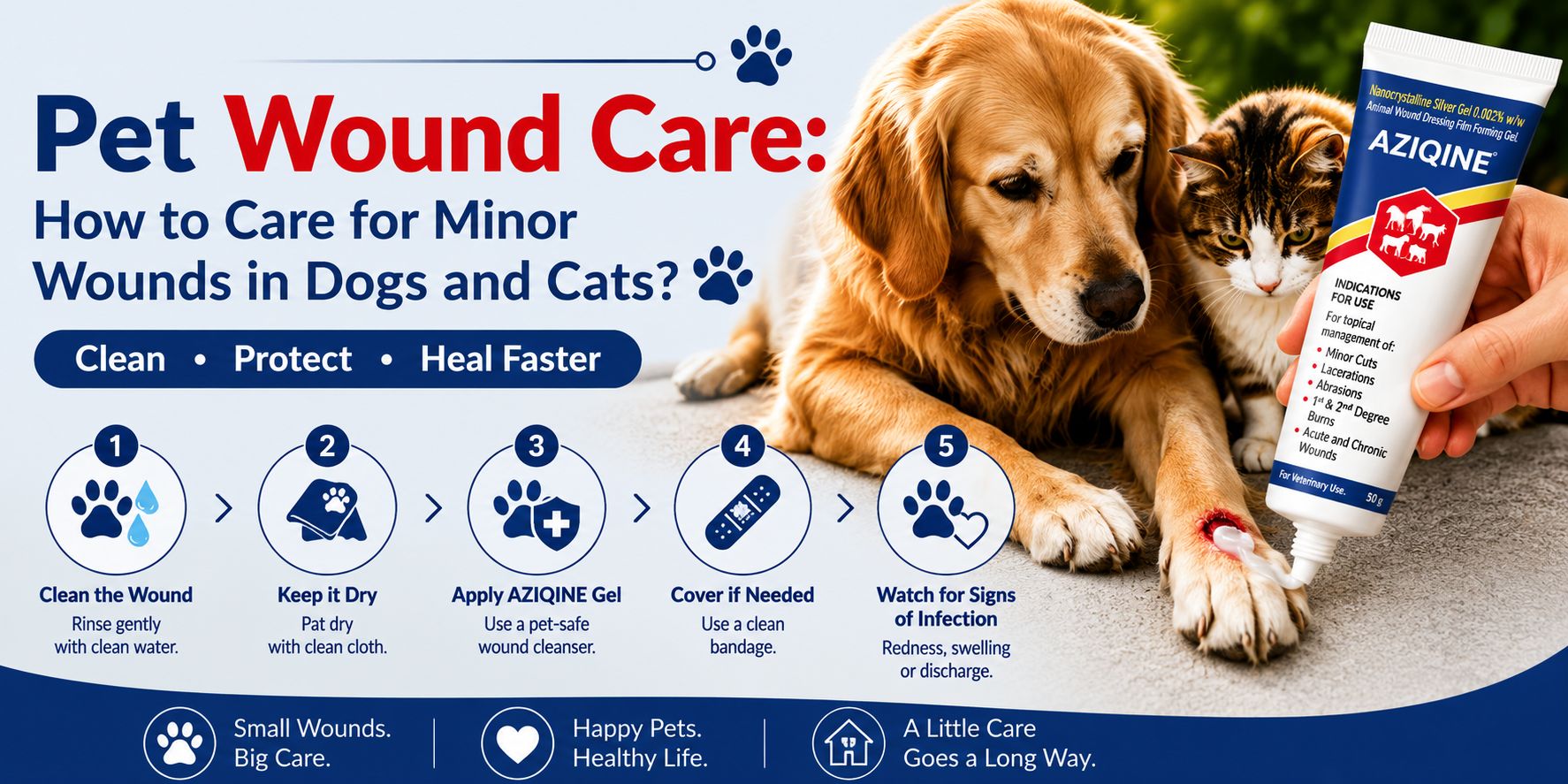
Pet Wound Care: How to Care for Minor Wounds in Dogs and Cats -
 Sep 25, 2026
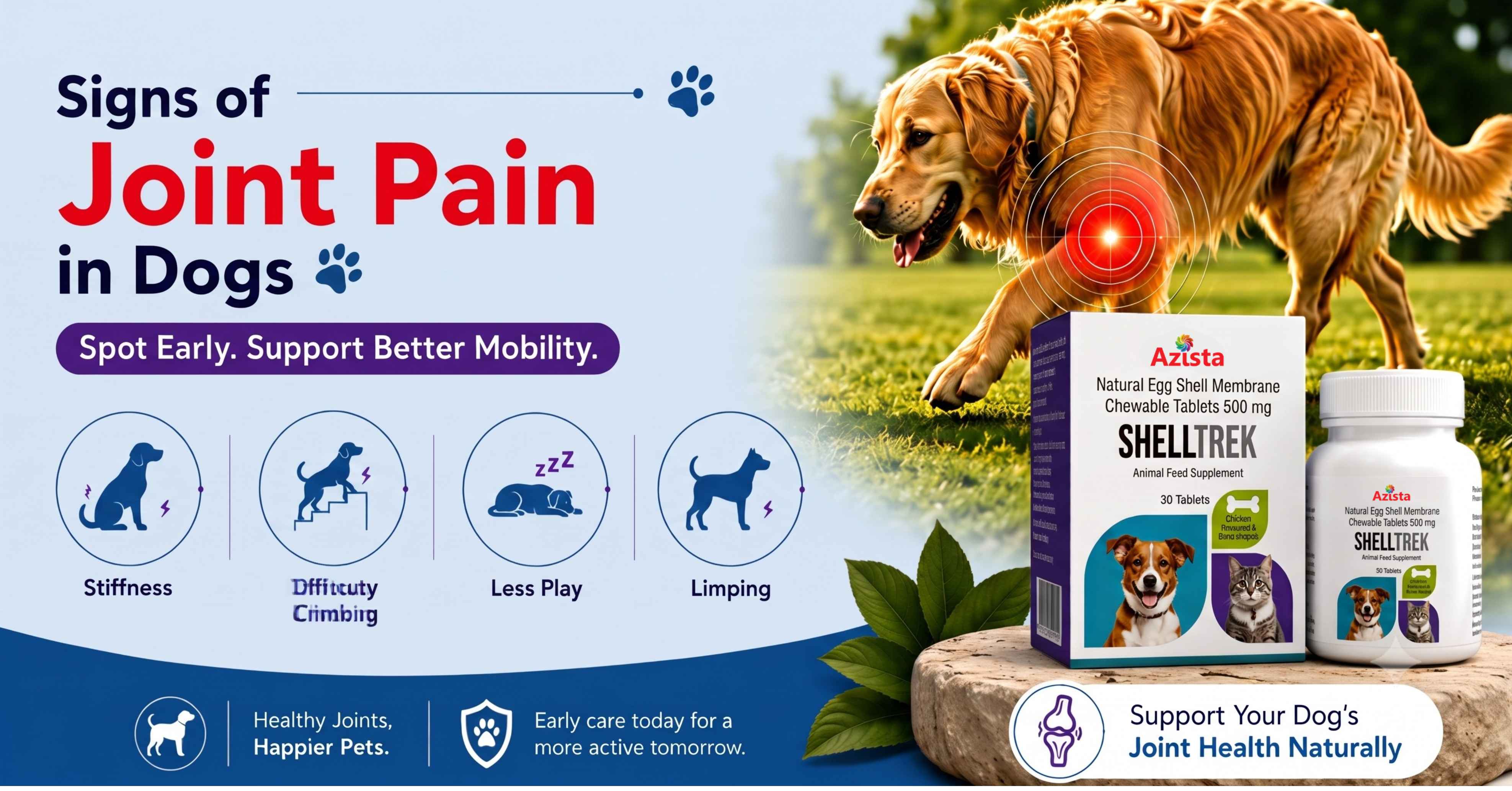
Signs of Joint Pain in Dogs: Spot Early. Support Better Mobility -
 Jul 30, 2026
Is Your Pet Sleeping More & Playing Less? Hidden Signs of Joint Discomfort -
 Jul 25, 2026
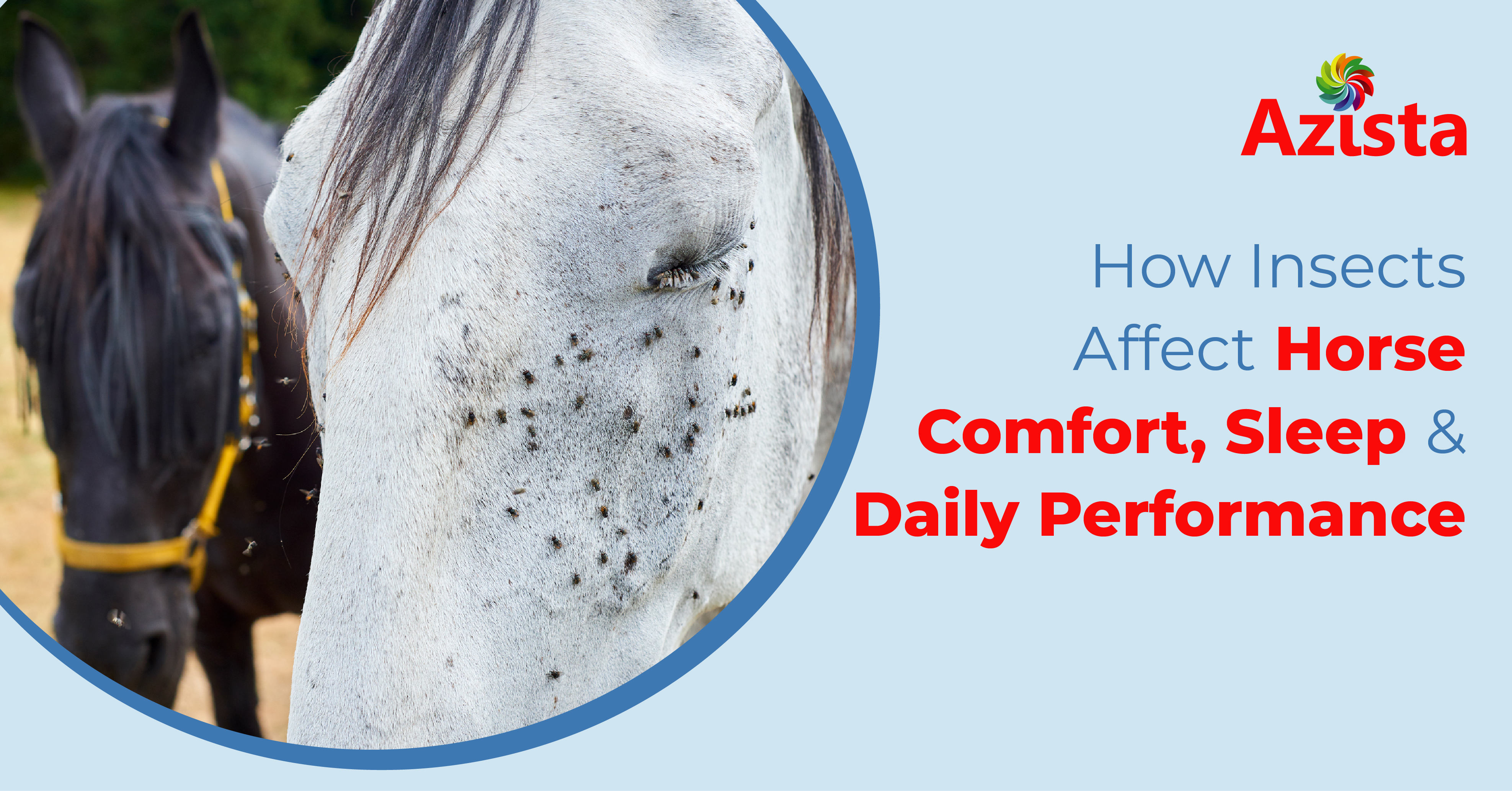
How Insects Affect Horse Comfort, Sleep & Daily Performance -
 Jul 20, 2026
Why Sudden Vomiting in Pets Should Never Be Ignored: Common Gastro Problems Explained
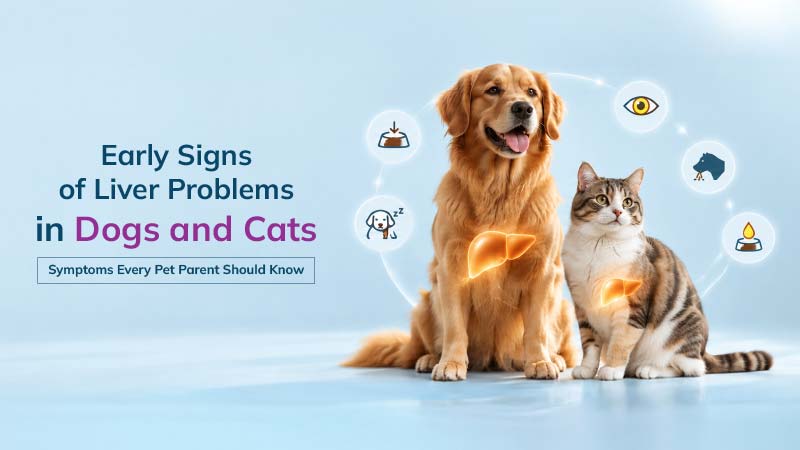
Early Signs of Liver Problems in Dogs and Cats: Symptoms Every Pet Parent Should Know
Oct 24, 2026
Has your dog stopped finishing meals? Has your cat become less active, started losing weight, or seemed unusually tired?
While occasional changes in appetite or behavior are common, persistent changes can sometimes signal an underlying health issue, including liver problems.
The liver plays a vital role in digestion, nutrient metabolism, and removing waste products from the body. Because it supports so many essential functions, liver disorders can have a significant impact on your pet's overall health and well-being.
The challenge is that liver disease often develops gradually, making early symptoms easy to overlook. Recognizing the warning signs can help you seek veterinary care sooner and support your pet's health more effectively.
Why Is the Liver So Important?
Think of the liver as your pet's internal processing and detoxification center.
A healthy liver helps
- Process nutrients from food
- Support digestion and fat metabolism
- Store vitamins and minerals
- Produce important proteins
- Remove waste products from the bloodstream
- Support normal metabolic functions
Because the liver is involved in so many essential processes, even mild liver dysfunction can have widespread effects throughout the body.
What Causes Liver Problems in Dogs and Cats?
Liver disease can occur for a variety of reasons, including
- Bacterial, viral, or parasitic infections
- Tick-borne diseases such as Ehrlichiosis and Babesiosis
- Exposure to toxins
- Certain medications
- Fatty liver conditions
- Hepatitis
- Fibrosis and cirrhosis
- Age-related changes
- Underlying metabolic disorders
Some liver conditions develop suddenly, while others progress slowly over months or years.
Early Signs Your Pet May Be Experiencing Liver Problems
Liver disease doesn't always produce obvious symptoms in the beginning. In many cases, pets show subtle changes that may initially seem unrelated.
Recognizing these early signs can help ensure timely veterinary attention.
8 Early Signs of Liver Problems in Dogs and Cats
- Loss of appetite
- Low energy or lethargy
- Vomiting or digestive upset
- Unexplained weight loss
- Increased thirst
- Increased urination
- Yellow eyes, gums, or skin (jaundice)
- Abdominal swelling
Loss of Appetite
One of the most common early signs of liver dysfunction is a reduced interest in food.
Your pet may begin eating smaller portions, skip meals, or appear less enthusiastic about food. Persistent appetite loss should always be evaluated by a veterinarian.
Lethargy and Reduced Activity
Has your energetic dog become less interested in walks?
Is your cat sleeping more than usual?
When liver function is compromised, pets may experience reduced energy levels and appear tired or less active than normal.
Vomiting and Digestive Upset
The liver plays an important role in digestion and metabolism.
As a result, liver disorders may contribute to symptoms such as
- Vomiting
- Nausea
- Diarrhoea
- General digestive discomfort
Recurring digestive issues should not be ignored, particularly when accompanied by other symptoms.
Unexplained Weight Loss
If your pet is losing weight despite maintaining a normal diet, it may indicate an underlying health concern.
Weight loss is commonly reported in pets with chronic liver disease and should prompt veterinary investigation.
Increased Thirst and Urination
Some dogs and cats with liver disease may drink more water than usual and urinate more frequently.
Although these signs can occur with other medical conditions, they may also be associated with liver dysfunction and warrant veterinary evaluation.
Jaundice: A Key Warning Sign
Jaundice occurs when bilirubin accumulates in the body, causing a yellow discoloration of
- Eyes
- Gums
- Skin
- Inner ears
This is one of the most recognizable signs of liver disease and requires prompt veterinary attention.
Abdominal Swelling
In certain liver disorders, fluid may accumulate within the abdomen.
This can cause the belly to appear swollen or enlarged and should always be assessed by a veterinarian.
Behavioral Changes
The liver helps remove substances that would otherwise accumulate in the bloodstream.
In more advanced liver disease, these substances may affect the nervous system, leading to signs such as
- Confusion
- Disorientation
- Restlessness
- Reduced responsiveness
- Unusual behavior
Any sudden or unexplained behavioral changes should be discussed with your veterinarian.
Why Early Detection Matters
One remarkable feature of the liver is its ability to repair and adapt when damage is identified and managed early.
Routine veterinary examinations, blood testing, and timely investigation of symptoms can help detect liver abnormalities before they progress. Early diagnosis allows veterinarians to identify the underlying cause and develop an appropriate treatment plan.
The earlier liver issues are recognized, the better the opportunity for effective management and long-term support.
Supporting Liver Health in Dogs and Cats
In addition to veterinary care, nutritional support may play an important role in maintaining liver health.
Veterinarians often recommend liver-support supplements as part of a comprehensive liver care plan. These supplements may contain ingredients that help support antioxidant defenses, maintain healthy liver cell function, and assist normal metabolic processes.
For example, LIVERNOVA is a liver support supplement formulated for dogs and cats. It contains a carefully selected combination of ingredients including Silymarin, Tricholine Citrate, Tephrosia purpurea, N-Acetylcysteine (NAC), L-Ornithine, and Selenium.
These ingredients are commonly used in veterinary liver-support formulations because they help
- Support antioxidant defenses
- Maintain healthy liver cell function
- Assist normal detoxification pathways
- Support healthy fat metabolism
- Contribute to overall liver wellness
When used under veterinary guidance, liver-support supplements may complement broader treatment and management strategies.
Which Pets May Benefit from Liver Support?
Veterinarians may recommend liver-supportive nutritional care for pets experiencing
- Reduced appetite associated with illness
- Recovery from bacterial, viral, or parasitic infections
- Tick-borne diseases such as Ehrlichiosis and Babesiosis
- Fatty liver conditions
- Hepatitis
- Jaundice
- Fibrosis
- Cirrhosis
- Hepatic insufficiency
- Long-term use of certain medications requiring liver monitoring
The suitability of any supplement should always be determined by a veterinarian based on your pet's individual health needs.
How Can You Help Protect Your Pet's Liver?
Supporting liver health starts with preventive care.
Some practical steps include
- Scheduling regular veterinary check-ups
- Feeding a balanced and nutritionally complete diet
- Ensuring access to clean drinking water
- Avoiding exposure to toxins and harmful substances
- Following medication instructions carefully
- Seeking veterinary advice when symptoms arise
Small proactive measures can go a long way toward supporting your pet's long-term health.
Final Thoughts
Liver disease in dogs and cats often develops gradually, making early symptoms easy to overlook.
Changes in appetite, energy levels, digestion, body weight, water consumption, or behavior may indicate that your pet's liver health deserves attention. Recognizing these signs early and seeking veterinary guidance can help improve the chances of effective management.
Combined with routine veterinary care, proper nutrition, and appropriate liver-supportive care when recommended, proactive monitoring can play an important role in maintaining your pet's health and well-being.
After all, when it comes to liver health, early detection and timely action can make a meaningful difference.
Frequently Asked Questions
1. What are the first signs of liver disease in dogs and cats?
Common early signs include loss of appetite, lethargy, vomiting, digestive upset, weight loss, increased thirst, and increased urination. Symptoms can vary depending on the underlying cause and severity of the condition.
2. Can liver disease in pets be treated?
Treatment depends on the underlying cause. Many liver conditions can be managed more effectively when detected early, which is why prompt veterinary evaluation is important.
3. What causes liver disease in dogs and cats?
Potential causes include infections, toxins, medications, fatty liver disease, hepatitis, metabolic disorders, and age-related liver changes.
4. How do I know if my pet has jaundice?
Jaundice appears as a yellow discoloration of the eyes, gums, skin, or inner ears. It should always be evaluated by a veterinarian.
5. Can liver supplements support liver health in pets?
Veterinarian-recommended liver-support supplements may help support normal liver function and antioxidant defenses as part of a broader health management plan.
CTA
Support your pet's liver health with proactive care and veterinary-guided nutritional support. Explore LIVERNOVA, the advanced liver support formula for dogs and cats, designed to help maintain healthy liver function and overall wellness.
References
Center, S. A. (2007). Interpretation of liver enzymes. Veterinary Clinics of North America Small Animal Practice, 37(2), 297–333. https://doi.org/10.1016/j.cvsm.2006.11.009
Negasee, K. A. (2021). Hepatic diseases in canine and feline: a review. Veterinary Medicine - Open Journal, 6(1), 22–31. https://doi.org/10.17140/vmoj-6-155