Table of Contents
More from Blog
-
 Sep 28, 2026
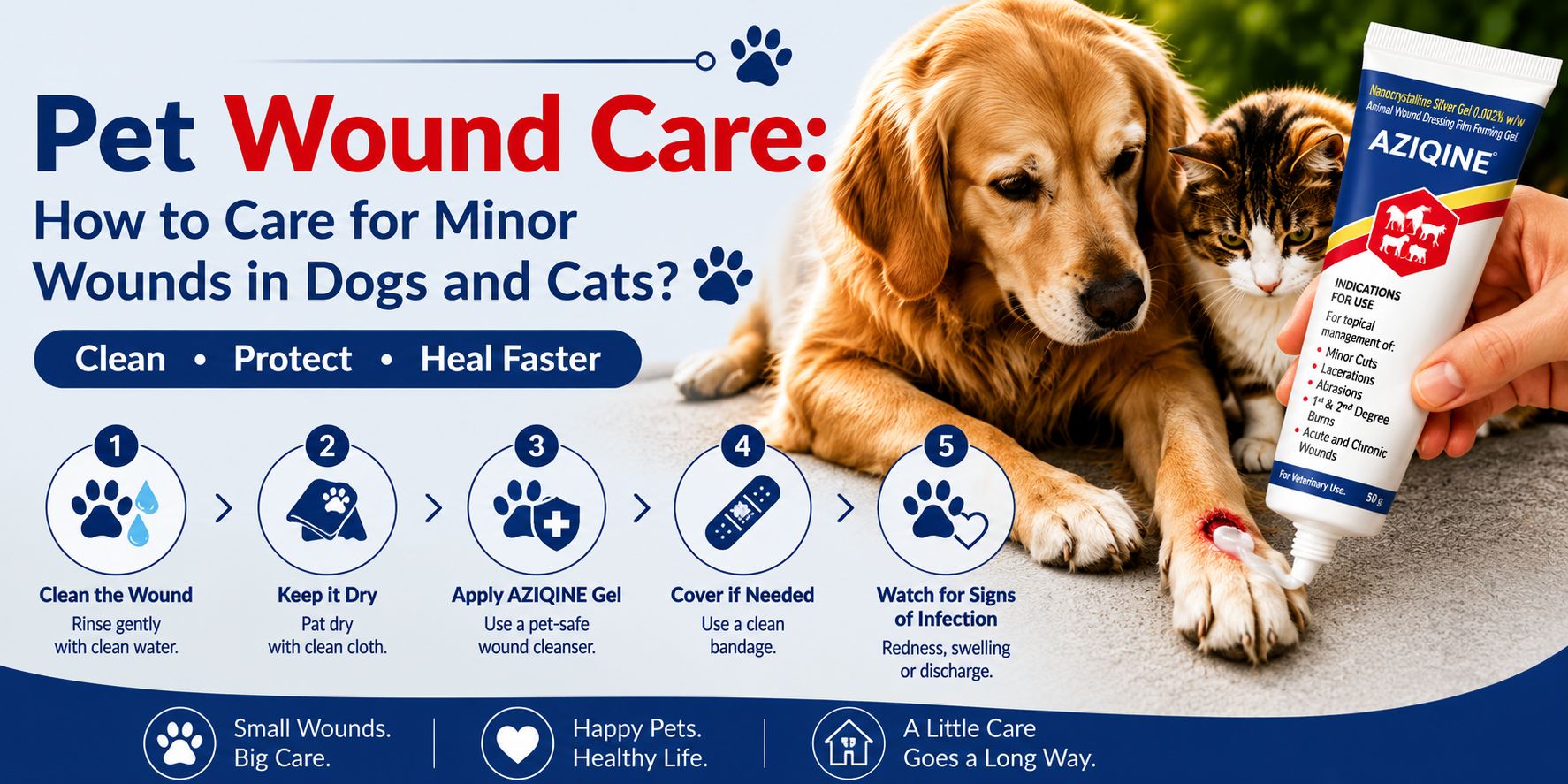
Pet Wound Care: How to Care for Minor Wounds in Dogs and Cats -
 Sep 25, 2026
Signs of Joint Pain in Dogs: Spot Early. Support Better Mobility -
 Jul 30, 2026
Is Your Pet Sleeping More & Playing Less? Hidden Signs of Joint Discomfort -
 Jul 20, 2026
Why Sudden Vomiting in Pets Should Never Be Ignored: Common Gastro Problems Explained -
 Jul 15, 2026
Is Your Pet Constantly Licking or Scratching? It Could Be a Fungal Infection
How Insects Affect Horse Comfort, Sleep & Daily Performance
Jul 25, 2026
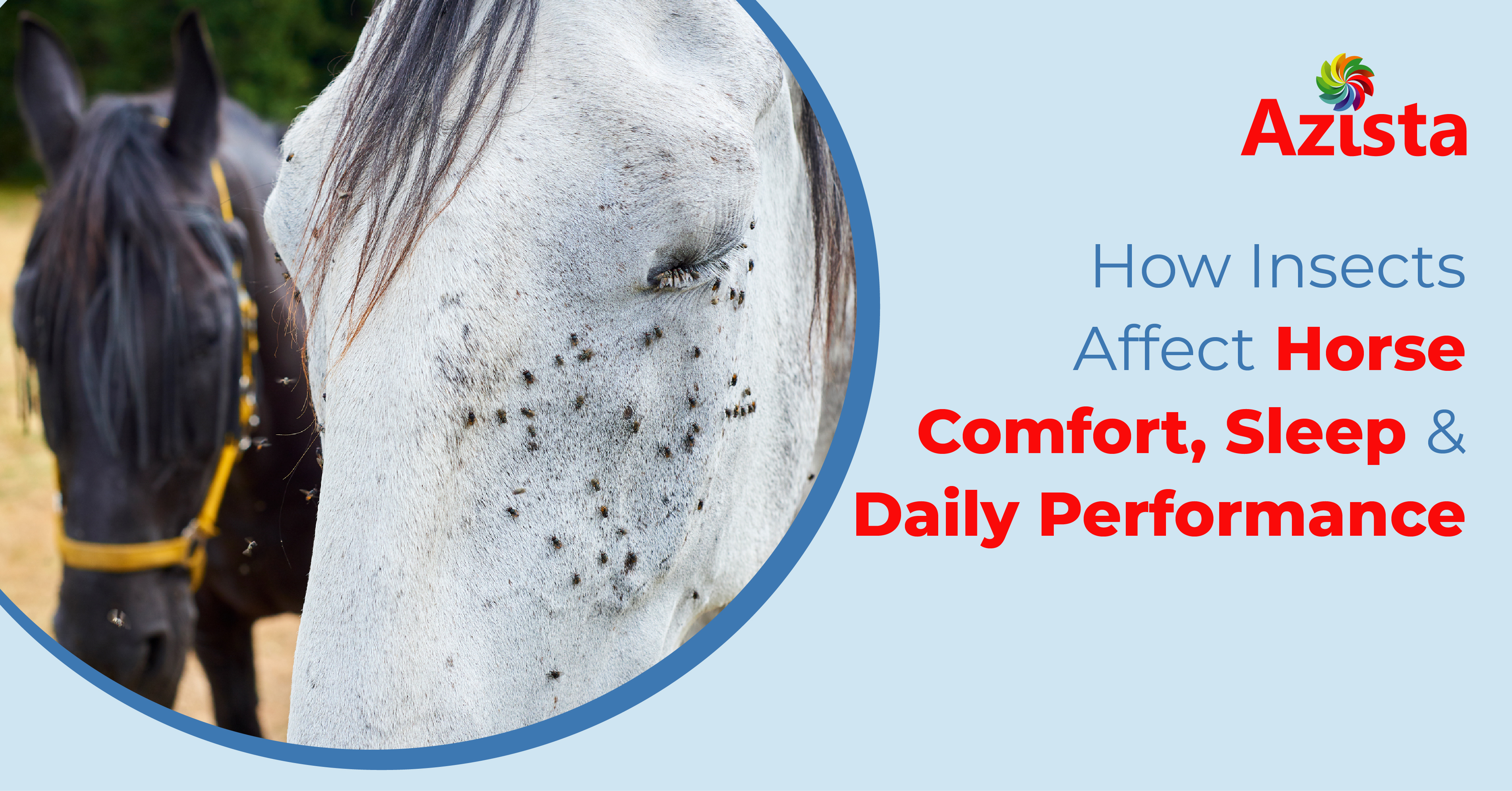
Horses spend long hours outdoors and in stable environments where they are regularly exposed to flies, mosquitoes, and other biting insects. While insects may seem like a minor seasonal nuisance, ongoing insect irritation can significantly affect horse comfort, behaviour, sleep quality, and even overall performance.
Horse insect problems are especially common during warmer months, humid weather, and in stables with poor insect control. Persistent insect exposure may lead to restlessness, skin irritation, stress-related behaviour, and reduced focus during riding or training activities.
This article explains how insect irritation in horses may affect daily wellbeing, why stable insect management is important, and how horse owners commonly support horses during insect-heavy seasons.
Why Insects Commonly Affect Horses
Horses are naturally sensitive to biting flies, mosquitoes, gnats, and other environmental insects.
Quick Answer: How Do Insects Affect Horses?
Insects may irritate horses by causing itching, skin discomfort, restlessness, and repeated defensive behaviour such as tail swishing or stamping. Continuous irritation may also affect horse comfort, sleep, and concentration during activity.
Common Insects That Trouble Horses
Several insects may contribute to horse fly irritation and skin discomfort, including:
- Horse flies
- Stable flies
- Mosquitoes
- Gnats
- Midges
- Ticks
Some insects bite directly, while others trigger allergic skin reactions or behavioural stress.
Signs of Insect Irritation in Horses
Insect-related discomfort often affects both physical comfort and behaviour.
Common Symptoms Horse Owners May Notice
Signs of insect irritation in horses may include:
- Tail swishing excessively
- Constant stamping
- Head shaking
- Skin twitching
- Restlessness
- Rubbing against surfaces
- Small skin bumps or irritation
- Difficulty relaxing in the stable
Symptoms may become more noticeable during early mornings, evenings, or humid weather conditions.
How Horse Fly Irritation Affects Daily Behaviour
Horse fly irritation may make horses appear distracted or uncomfortable during:
- Riding sessions
- Training
- Feeding
- Rest periods
- Stable time
Some horses may become unusually irritable or anxious when insect exposure becomes severe.
How Insects May Affect Horse Sleep and Recovery
Horses require periods of relaxation and rest to maintain overall wellbeing and physical recovery.
Why Constant Insect Exposure Can Disrupt Rest
Persistent insect activity may interrupt relaxation by causing horses to:
- Move continuously
- Remain alert
- Flick tails repeatedly
- Change resting positions often
- Avoid lying down comfortably
Reduced rest quality may gradually influence energy levels and behaviour.
Horse Performance Issues Linked to Insect Stress
Horse performance issues may sometimes worsen when horses experience ongoing discomfort from insect irritation.
Continuous stress and reduced comfort may affect:
- Focus during training
- Riding performance
- Stable behaviour
- Appetite
- Overall calmness
Comfort management therefore plays an important role in routine horse care.
Stable Insect Management and Prevention
Managing insect exposure is an important part of maintaining horse comfort and stable hygiene.
Common Stable Insect Management Practices
Horse owners commonly use several approaches, including:
- Maintaining clean stable areas
- Removing standing water
- Proper manure disposal
- Using fly sheets and masks
- Improving airflow in stables
- Regular grooming
Reducing insect breeding areas may help minimise insect activity around horses.
Why Seasonal Insect Control Matters
Warmer temperatures and humid conditions often increase insect populations. Preventive management may help reduce seasonal irritation before symptoms become severe.
How Insect Repellent Products for Horses May Help
Horse insect care products are commonly used to support comfort during outdoor activity and stable rest.
High-Level Overview of Horse Insect Protection
Insect repellent for horses is generally designed to help:
- Reduce insect landing on the horse
- Support skin comfort
- Minimise irritation from flies and mosquitoes
- Improve comfort during turnout or riding
Different products may be used depending on the horse’s environment and sensitivity.
Why Horse Owners Prefer Practical Insect Care Solutions
Horse owners often prefer insect management products because they are:
- Easy to apply
- Suitable for stable and outdoor use
- Useful during riding or turnout
- Designed specifically for equine care
Products from AzistaVet Veterinary Healthcare Solutions are developed to support animal wellness and equine care management, including solutions commonly used in horse comfort and insect care routines.
Common User Questions About Horse Insect Problems
Why do horses react strongly to flies?
Flies and biting insects may irritate the skin and trigger discomfort, leading to defensive behaviours such as tail swishing or stamping.
Can insects affect horse performance?
Yes. Ongoing insect irritation may distract horses, reduce comfort, and affect focus during riding or training.
Why do horses become restless in stables during summer?
Warmer weather may increase insect activity inside stables, contributing to irritation and difficulty relaxing.
Can insect bites cause skin problems in horses?
Some horses may develop skin sensitivity, itching, or allergic reactions after repeated insect exposure.
Safety and Horse Care Overview
Important Horse Care Tips
Horse owners should:
- Maintain stable cleanliness
- Monitor for skin irritation
- Use equine-safe insect products
- Groom horses regularly
- Reduce standing water near stables
Consistent care may help support horse comfort during insect-heavy seasons.
When Veterinary Advice May Be Needed
Veterinary assessment may be important if horses experience:
- Severe skin irritation
- Hair loss from rubbing
- Persistent wounds
- Allergic skin reactions
- Significant behavioural changes
Ongoing discomfort should not be ignored.
FAQ’s
What causes horse insect problems?
Horse insect problems are commonly linked to flies, mosquitoes, gnats, and stable insects that irritate the skin.
How do insects affect horse comfort?
Insects may cause itching, stress, restlessness, and interrupted sleep or relaxation.
Can insect irritation affect horse performance?
Yes. Discomfort from insects may reduce focus, calmness, and comfort during training or riding.
What is stable insect management?
Stable insect management involves hygiene practices and insect-control methods designed to reduce insect exposure around horses.
Why is insect repellent used for horses?
Insect repellent for horses is commonly used to help minimise irritation caused by flies and other biting insects.
When should a veterinarian assess insect-related skin irritation?
Veterinary attention may be needed if irritation becomes severe, causes wounds, or leads to significant behavioural changes.
Key Takeaways
- Horse insect problems may affect comfort, behaviour, and daily activity
- Horse fly irritation can contribute to stress and restlessness
- Stable insect management helps reduce insect exposure around horses
- Ongoing insect irritation may influence horse performance issues
- Equine insect care products are commonly used to support horse comfort
Conclusion
Even though insects are a common part of stable and outdoor environments, continuous exposure can create significant discomfort for horses over time. Persistent irritation from flies and biting insects may affect rest, behaviour, focus, and overall wellbeing, particularly during warmer seasons when insect activity increases.
Creating a cleaner stable environment, reducing insect breeding areas, and maintaining regular grooming routines may help improve horse comfort and reduce stress-related behaviour linked to insect irritation in horses.
For horse owners managing horse insect problems, horse fly irritation, or stable insect management challenges, equine insect care solutions are often included as part of routine horse wellness practices. Products from AzistaVet Veterinary Healthcare Solutions are developed to support animal wellness and equine care management, including solutions commonly used in horse comfort and insect care routines.
Consistent insect control and attentive horse care may help support calmer behaviour, better comfort, and improved daily performance throughout the season.