Table of Contents
More from Blog
-
 Sep 28, 2026
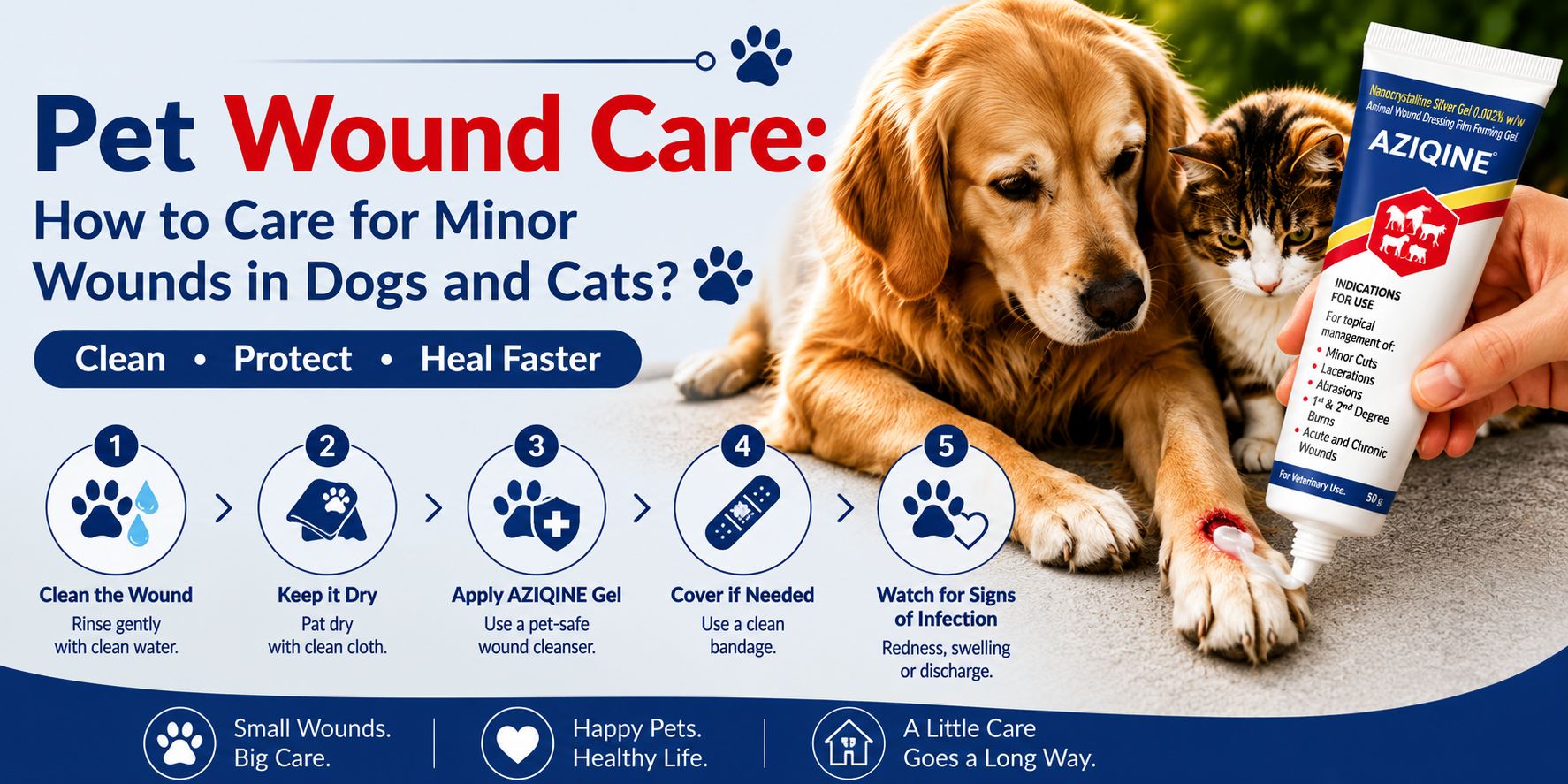
Pet Wound Care: How to Care for Minor Wounds in Dogs and Cats -
 Sep 25, 2026
Signs of Joint Pain in Dogs: Spot Early. Support Better Mobility -
 Jul 30, 2026
Is Your Pet Sleeping More & Playing Less? Hidden Signs of Joint Discomfort -
 Jul 25, 2026
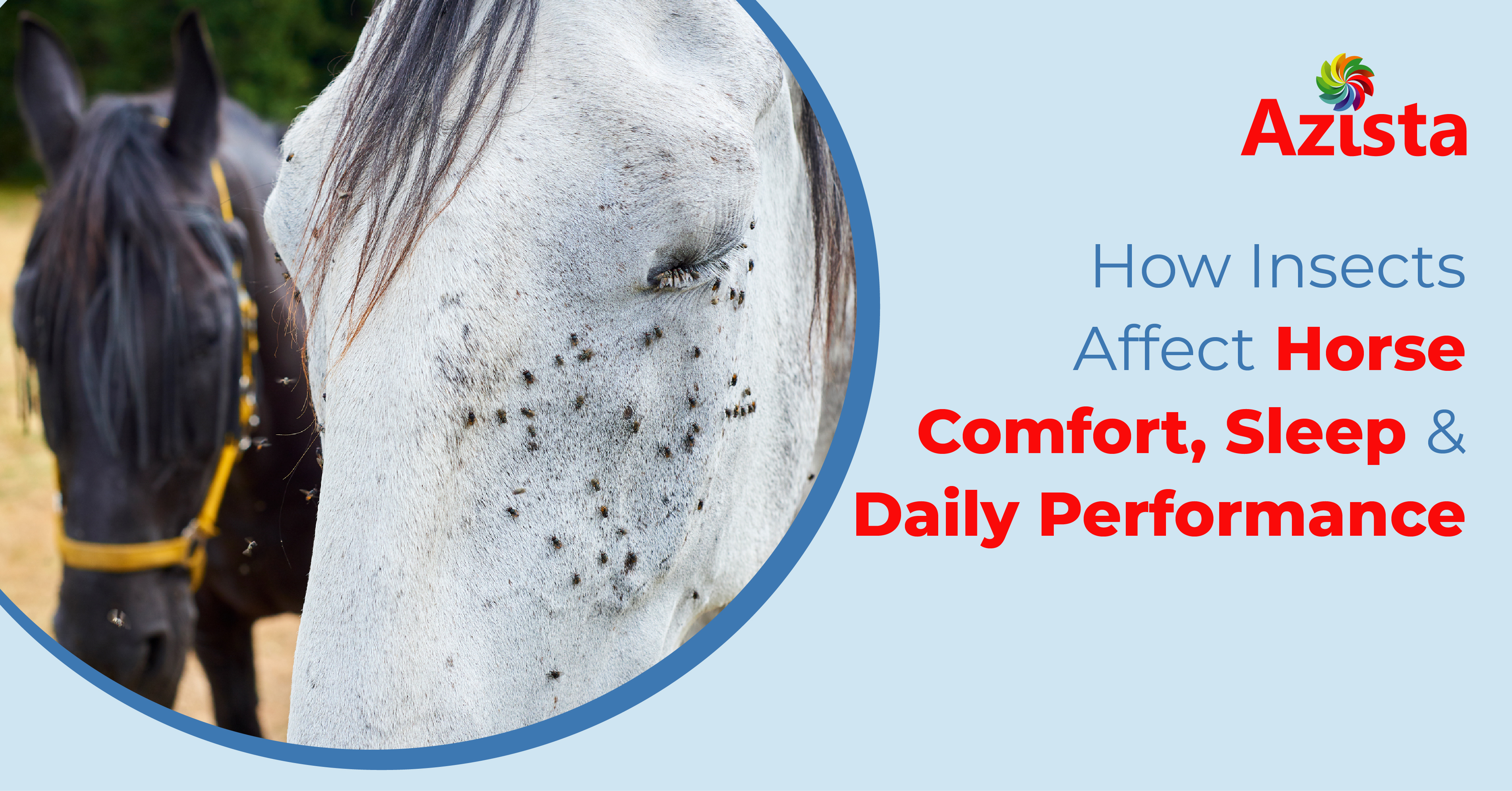
How Insects Affect Horse Comfort, Sleep & Daily Performance -
 Jul 20, 2026
Why Sudden Vomiting in Pets Should Never Be Ignored: Common Gastro Problems Explained
Is Your Pet Constantly Licking or Scratching? It Could Be a Fungal Infection
Jul 15, 2026

Occasional scratching or grooming is normal in pets. However, when dogs or cats constantly lick, bite, or scratch certain areas of their body, it may sometimes indicate an underlying skin issue. Persistent itching can affect a pet’s comfort, sleep, and overall wellbeing.
Dog scratching constantly and fungal itching in pets are common concerns among pet owners, especially during humid weather, seasonal changes, or poor skin hygiene conditions. Fungal skin infections may affect pets of different breeds and ages, particularly when the skin barrier becomes irritated or moist.
This article explains common pet skin infection symptoms, possible causes of itchy skin in dogs, and how fungal-related skin problems are commonly managed.
Why Pets Develop Constant Itching and Scratching
Pets may scratch or lick excessively for several reasons, including allergies, parasites, dryness, or skin infections.
Can Fungal Infections Cause Itching in Pets?
Yes. Fungal skin infections may irritate the skin and contribute to fungal itching in pets, leading to scratching, licking, redness, or hair loss in affected areas.
Common Causes of Itchy Skin in Dogs and Pets
Persistent itching may be linked to:
- Fungal skin infections
- Allergies
- Fleas or ticks
- Skin irritation
- Moisture trapped in fur
- Poor grooming hygiene
- Environmental allergens
Because several skin conditions may look similar, veterinary assessment is often important for accurate diagnosis.
Common Pet Skin Infection Symptoms
Skin infections in pets may affect different parts of the body depending on the underlying cause.
Signs Pet Owners Should Watch For
Common pet skin infection symptoms may include:
- Constant scratching or licking
- Red or inflamed skin
- Hair loss in patches
- Flaky or scaly skin
- Unpleasant skin odour
- Darkened skin areas
- Small rashes or irritated spots
Symptoms may gradually worsen if the skin remains untreated or repeatedly irritated.
Areas Commonly Affected
Fungal allergy in pets or fungal skin irritation may commonly affect:
- Ears
- Paws
- Neck folds
- Belly
- Tail region
- Skin folds in long-haired breeds
Warm and moist areas may be more prone to fungal growth.
How Fungal Skin Problems Develop in Pets
Fungal organisms naturally exist in the environment, but certain conditions may increase the risk of infection.
Factors That May Increase Fungal Skin Problems
Common contributing factors include:
- Humid weather
- Damp fur after bathing
- Poor skin ventilation
- Weak skin barrier
- Allergic skin irritation
- Limited grooming hygiene
Pets with sensitive skin or allergies may be more prone to recurring irritation.
Why Constant Licking Can Worsen Skin Irritation
Excessive licking may further irritate the skin, increase moisture, and damage the skin barrier. This may make fungal itching in pets feel worse over time.
Treatment Overview for Fungal Skin Irritation in Pets
Treatment depends on the cause and severity of the skin condition.
Common Veterinary Approaches
Veterinarians may recommend:
- Antifungal shampoos
- Medicated sprays or creams
- Skin hygiene management
- Allergy control measures
- Flea prevention
- Dietary support when needed
The treatment plan usually depends on the type of skin infection and the pet’s overall condition.
Importance of Early Veterinary Attention
Early management may help prevent worsening irritation, skin damage, or secondary infections caused by excessive scratching.
Pet owners should avoid self-diagnosing skin conditions without veterinary guidance.
How Medicated Veterinary Products May Help
Veterinary dermatology products are often used to support skin health and help manage fungal-related skin irritation.
High-Level Overview of Veterinary Skin Support
Medicated veterinary formulations may help support:
- Skin hygiene
- Reduction of fungal growth
- Relief from itching and irritation
- Healthier skin barrier support
These products are commonly used under veterinary supervision depending on the pet’s condition.
Why Pet Owners Prefer Convenient Topical Solutions
Pet owners often prefer topical veterinary products because they are:
- Easy to apply
- Suitable for targeted areas
- Designed for pet skin care
- Useful during ongoing skin management
Products from AzistaVet are developed for veterinary healthcare and pet wellness support, including solutions commonly used in pet skin and fungal care management.
Common User Questions About Pet Skin Infections
Why is my dog scratching constantly?
Dog scratching constantly may be linked to allergies, fungal infections, parasites, dry skin, or other skin irritations.
Can fungal infections cause hair loss in pets?
Yes. Some fungal skin infections may contribute to hair loss, flaky skin, or irritated patches.
Is itchy skin in dogs always caused by fleas?
No. Itchy skin in dogs may also result from fungal infections, allergies, skin sensitivity, or environmental irritants.
Can pets spread fungal infections to other animals?
Some fungal infections may spread between animals or through contaminated environments. Veterinary advice is important for proper management.
Safety and Pet Care Overview
Important Pet Care Tips
Pet owners should:
- Maintain regular grooming hygiene
- Keep skin folds clean and dry
- Avoid harsh human skin products
- Follow veterinary instructions carefully
- Monitor for worsening symptoms
Self-treatment without veterinary advice may delay proper diagnosis.
When to Visit a Veterinarian
Veterinary evaluation is recommended if pets show:
- Severe itching
- Skin bleeding or wounds
- Rapid hair loss
- Persistent skin odour
- Recurrent skin infections
- Behavioural discomfort from itching
Persistent skin irritation should not be ignored.
FAQ’s
What causes fungal itching in pets?
Fungal itching in pets may occur when fungal organisms irritate the skin, particularly in warm or moist body areas.
Why is my dog licking the same area repeatedly?
Repeated licking may indicate irritation, allergy, fungal infection, or discomfort affecting the skin.
Can fungal infections affect dogs and cats?
Yes. Fungal skin infections may affect both dogs and cats depending on environmental and skin health factors.
What are common pet skin infection symptoms?
Symptoms may include scratching, redness, flaky skin, hair loss, licking, and skin irritation.
Is fungal allergy in pets serious?
Persistent fungal-related skin irritation may worsen without treatment and should be assessed by a veterinarian.
Can medicated veterinary skin products help?
Veterinary skin care products are commonly used to support skin hygiene and manage fungal-related irritation under professional guidance.
Key Takeaways
- Dog scratching constantly may indicate fungal infections, allergies, or skin irritation
- Fungal itching in pets commonly affects warm and moist skin areas
- Early veterinary assessment may help prevent worsening skin problems
- Good grooming and hygiene habits support healthier pet skin
- Veterinary skin care products are often used in fungal skin management routines
Conclusion
Persistent scratching, licking, or skin irritation in pets should never be ignored, especially when symptoms continue for several days or begin affecting comfort and behaviour. Skin conditions in pets may worsen gradually, particularly in humid environments or when fungal irritation develops in sensitive areas.
Maintaining proper grooming, skin hygiene, and early veterinary care may help support healthier skin and reduce discomfort caused by itchy skin in dogs and other pets. For pet owners managing fungal itching in pets, pet skin infection symptoms, or fungal allergy in pets, veterinary skin care products are commonly included as part of ongoing skin health management.
Products from AzistaVet Veterinary Care Solutions are designed to support pet healthcare and dermatological wellness, helping veterinarians and pet owners manage common skin-related concerns in dogs and other companion animals.