Table of Contents
More from Blog
-
 Sep 28, 2026
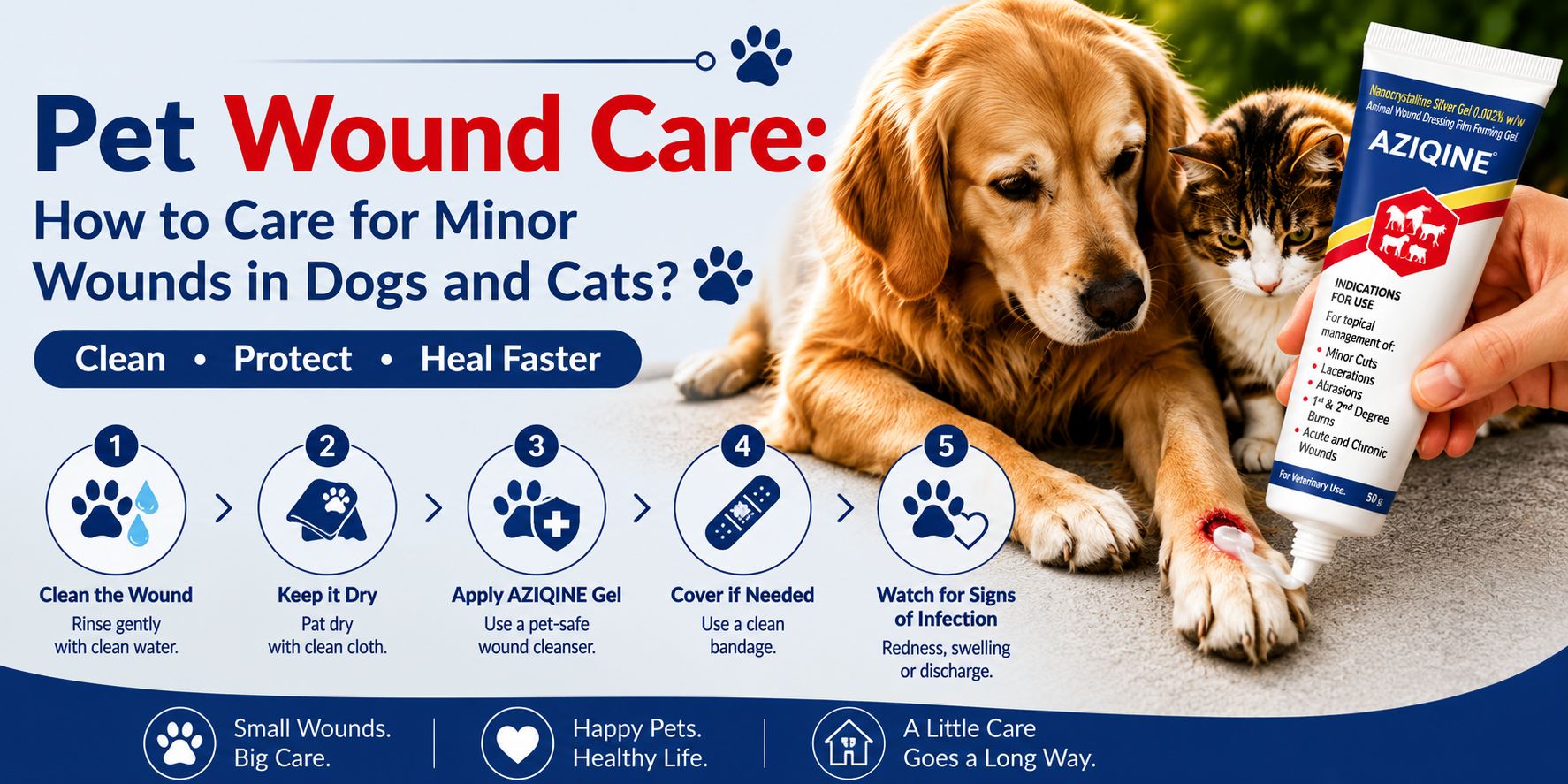
Pet Wound Care: How to Care for Minor Wounds in Dogs and Cats -
 Sep 25, 2026
Signs of Joint Pain in Dogs: Spot Early. Support Better Mobility -
 Jul 30, 2026
Is Your Pet Sleeping More & Playing Less? Hidden Signs of Joint Discomfort -
 Jul 25, 2026
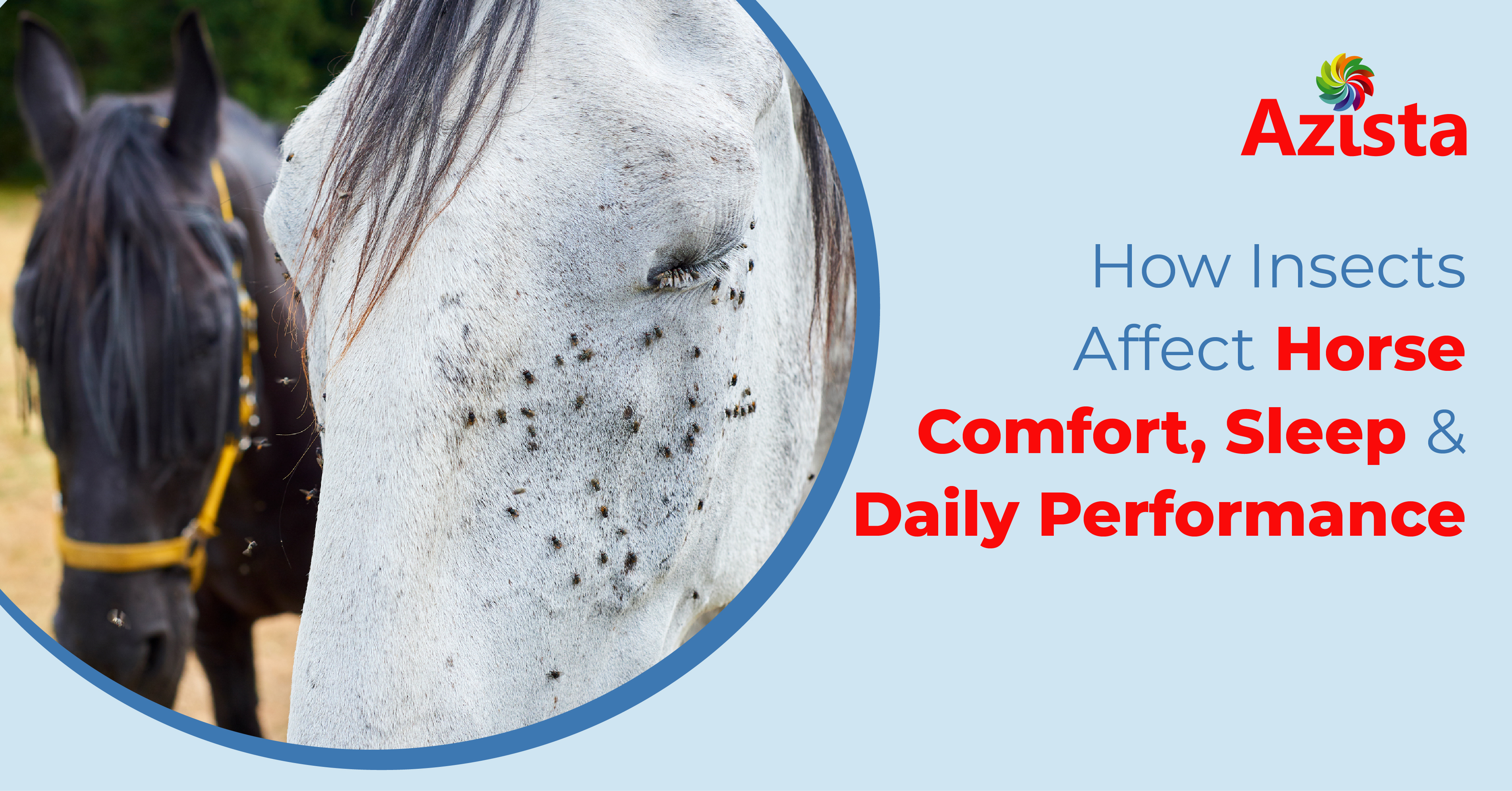
How Insects Affect Horse Comfort, Sleep & Daily Performance -
 Jul 15, 2026
Is Your Pet Constantly Licking or Scratching? It Could Be a Fungal Infection
Why Sudden Vomiting in Pets Should Never Be Ignored: Common Gastro Problems Explained
Jul 20, 2026
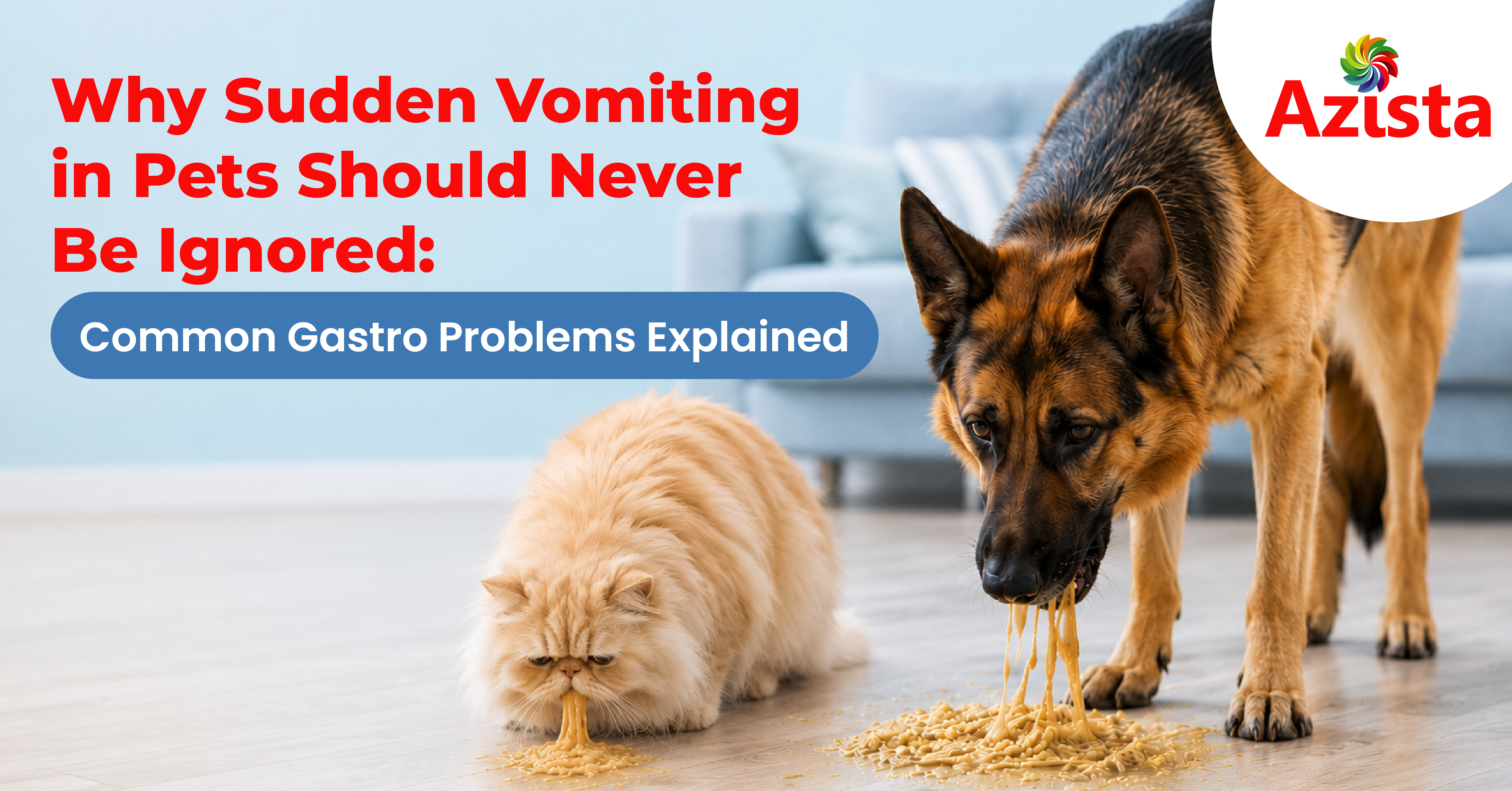
Most pet owners become concerned the moment their dog or cat suddenly vomits — and rightly so. While occasional vomiting may happen because of overeating or eating too quickly, repeated or sudden digestive symptoms can sometimes point to underlying gastro problems that need veterinary attention.
Vomiting in dogs and cats is one of the most frequently reported digestive concerns in veterinary clinics. In some cases, it may be linked to mild stomach irritation, while in others it may involve infections, digestive inflammation, parasites, or food-related issues.
Understanding the warning signs early may help pet owners seek timely veterinary care and prevent digestive discomfort from becoming more serious.
This article explains common causes of vomiting in pets, signs of pet stomach infection, treatment approaches commonly used in veterinary care, and when professional evaluation becomes important.
Why Pets Vomit Suddenly
Vomiting is usually a symptom of digestive irritation rather than a condition itself. The stomach may react when something disrupts normal digestion or irritates the gastrointestinal tract.
What Causes Vomiting in Pets?
Vomiting in dogs and cats may occur due to infections, dietary changes, spoiled food, parasites, food intolerance, or digestive inflammation. Persistent vomiting should always be assessed by a veterinarian.
Common Triggers Behind Pet Vomiting
Several factors may contribute to sudden digestive upset, including:
- Eating spoiled food
- Sudden food changes
- Pet stomach infection
- Intestinal parasites
- Eating non-food objects
- Food sensitivity
- Stress during travel
- Viral or bacterial gastro problems
Some pets may also develop vomiting after consuming rich treats or leftovers that are difficult to digest.
Common Symptoms of Gastro Problems in Pets
Digestive issues rarely involve vomiting alone. Other symptoms may appear depending on the severity of the condition.
Signs Pet Owners Should Watch Carefully
Common symptoms linked to dog digestive problems may include:
- Frequent vomiting
- Loss of appetite
- Loose stools or diarrhoea
- Weakness or lethargy
- Excess drooling
- Stomach discomfort
- Dehydration
- Weight loss
Young puppies, kittens, and older pets may become dehydrated more quickly when vomiting continues for several hours.
Cat Vomiting Causes Can Sometimes Be Misunderstood
Cat vomiting causes are sometimes ignored because occasional hairballs are considered normal. However, repeated vomiting in cats should not automatically be dismissed.
Cats may vomit because of:
- Hairballs
- Sensitive stomach reactions
- Digestive irritation
- Food intolerance
- Gastro infections
If vomiting becomes frequent, veterinary assessment is important to identify the underlying issue.
How Pet Gastro Problems Develop
The digestive system in pets may become irritated due to infections, contaminated food, or sudden dietary stress.
Factors That May Increase Digestive Problems in Pets
Common contributing factors include:
- Poor food hygiene
- Eating table scraps
- Sudden diet transitions
- Contaminated water
- Stress from boarding or travel
- Exposure to infectious environments
Pets with sensitive digestion may react more strongly to abrupt dietary changes.
Why Dehydration Becomes a Serious Concern
Vomiting and diarrhoea can lead to rapid fluid loss. Without proper hydration, pets may become weak, tired, and uncomfortable.
Signs of dehydration may include:
- Dry gums
- Reduced energy
- Sunken eyes
- Reduced urination
- Loss of appetite
This is one reason why ongoing vomiting should never be ignored.
Treatment Overview for Pet Gastro Conditions
Treatment usually depends on the underlying cause and severity of digestive symptoms.
Common Veterinary Gastro Treatment Approaches
Veterinarians may recommend:
- Hydration therapy
- Temporary dietary changes
- Anti-vomiting medications
- Digestive support supplements
- Probiotics when appropriate
- Infection management
- Monitoring food intake
Treatment plans are individualised based on the pet’s symptoms, age, and medical history.
Why Early Veterinary Attention Matters
Early veterinary care may help prevent complications such as severe dehydration, nutritional imbalance, or worsening gastrointestinal irritation.
Pet owners should avoid giving human digestive medications to animals without veterinary advice.
How Veterinary Digestive Support Products May Help
Veterinary digestive care products are commonly used to support gastrointestinal recovery and digestive comfort in pets.
High-Level Overview of Veterinary Gastro Support
Digestive support formulations may help support:
- Gastrointestinal comfort
- Hydration recovery
- Digestive balance
- Nutritional support
- Reduction of stomach irritation
These products are generally recommended under veterinary supervision depending on the pet’s condition.
Why Veterinary-Specific Products Are Preferred
Veterinary digestive products are designed specifically for pets and are commonly preferred because they are:
- Formulated for animal digestive systems
- Easy to administer
- Suitable during digestive recovery
- Used as part of gastro management plans
Products from AzistaVet Veterinary Healthcare Solutions are developed to support veterinary digestive care and gastrointestinal wellness management in companion animals.
Common User Questions About Vomiting in Pets
When should vomiting in dogs become serious?
Vomiting in dogs should be medically assessed if it becomes frequent, severe, or occurs with weakness, diarrhoea, dehydration, or appetite loss.
What are common pet stomach infection symptoms?
Common symptoms may include vomiting, diarrhoea, weakness, stomach discomfort, and reduced appetite.
Are hairballs the only reason cats vomit?
No. Cat vomiting causes may also include digestive irritation, food intolerance, infections, or gastro problems.
Can pets recover from mild gastro problems?
Some mild digestive issues may improve with veterinary-guided hydration, diet management, and supportive digestive care.
Safety and Pet Care Overview
Digestive symptoms in pets should always be monitored carefully.
Important Pet Care Tips During Digestive Problems
Pet owners should:
- Ensure access to clean water
- Avoid sudden food changes
- Maintain food hygiene
- Monitor vomiting frequency
- Follow veterinary treatment instructions carefully
Ignoring repeated vomiting may delay proper treatment and worsen digestive discomfort.
When Immediate Veterinary Care Is Needed
Urgent veterinary attention may be important if pets experience:
- Continuous vomiting
- Blood in vomit
- Severe weakness
- Refusal to eat or drink
- Persistent diarrhoea
- Abdominal swelling
- Signs of dehydration
Prompt treatment may help reduce complications and improve recovery.
FAQ’s
What causes sudden vomiting in dogs?
Vomiting in dogs may result from infections, spoiled food, parasites, digestive irritation, or sudden diet changes.
Are all cat vomiting cases caused by hairballs?
No. Cats may also vomit because of food sensitivity, gastro infections, or digestive irritation.
What are common signs of pet gastro problems?
Symptoms may include vomiting, diarrhoea, appetite loss, weakness, dehydration, and stomach discomfort.
Can vomiting lead to dehydration in pets?
Yes. Repeated vomiting may cause fluid loss, especially in puppies, kittens, or older pets.
What does pet gastro treatment involve?
Treatment may include hydration support, digestive medications, diet management, and veterinary monitoring.
Should human medicines be used for vomiting in pets?
No. Human medications should never be given to pets without veterinary guidance.
Key Takeaways
- Vomiting in dogs and cats may indicate digestive irritation or infection
- Pet stomach infection symptoms often include vomiting, weakness, and diarrhoea
- Ongoing vomiting may quickly lead to dehydration in pets
- Early veterinary care may help prevent worsening digestive complications
- Veterinary digestive care products are commonly used in pet gastro treatment routines
Conclusion
Digestive problems in pets can sometimes develop suddenly, especially after dietary changes, infections, or exposure to contaminated food. While a single episode of vomiting may occasionally resolve quickly, repeated symptoms should never be overlooked because they may indicate underlying gastrointestinal irritation or infection.
Being attentive to changes in appetite, hydration, energy levels, and bathroom habits may help pet owners recognise digestive discomfort earlier. Providing pets with balanced nutrition, proper hygiene, and timely veterinary care plays an important role in supporting long-term digestive wellness.
For pets experiencing vomiting in dogs, cat vomiting causes linked to digestive sensitivity, or pet stomach infection symptoms, veterinary gastro management products are commonly used as part of supportive digestive care. Products from AzistaVet Veterinary Healthcare Solutions are developed to support veterinary digestive wellness and gastrointestinal care approaches for companion animals.
Early intervention and responsible pet care may help pets recover more comfortably and maintain healthier digestive balance over time.