Table of Contents
More from Blog
-
 Sep 28, 2026
Pet Wound Care: How to Care for Minor Wounds in Dogs and Cats -
 Sep 25, 2026
Signs of Joint Pain in Dogs: Spot Early. Support Better Mobility -
 Jul 30, 2026
Is Your Pet Sleeping More & Playing Less? Hidden Signs of Joint Discomfort -
 Jul 25, 2026
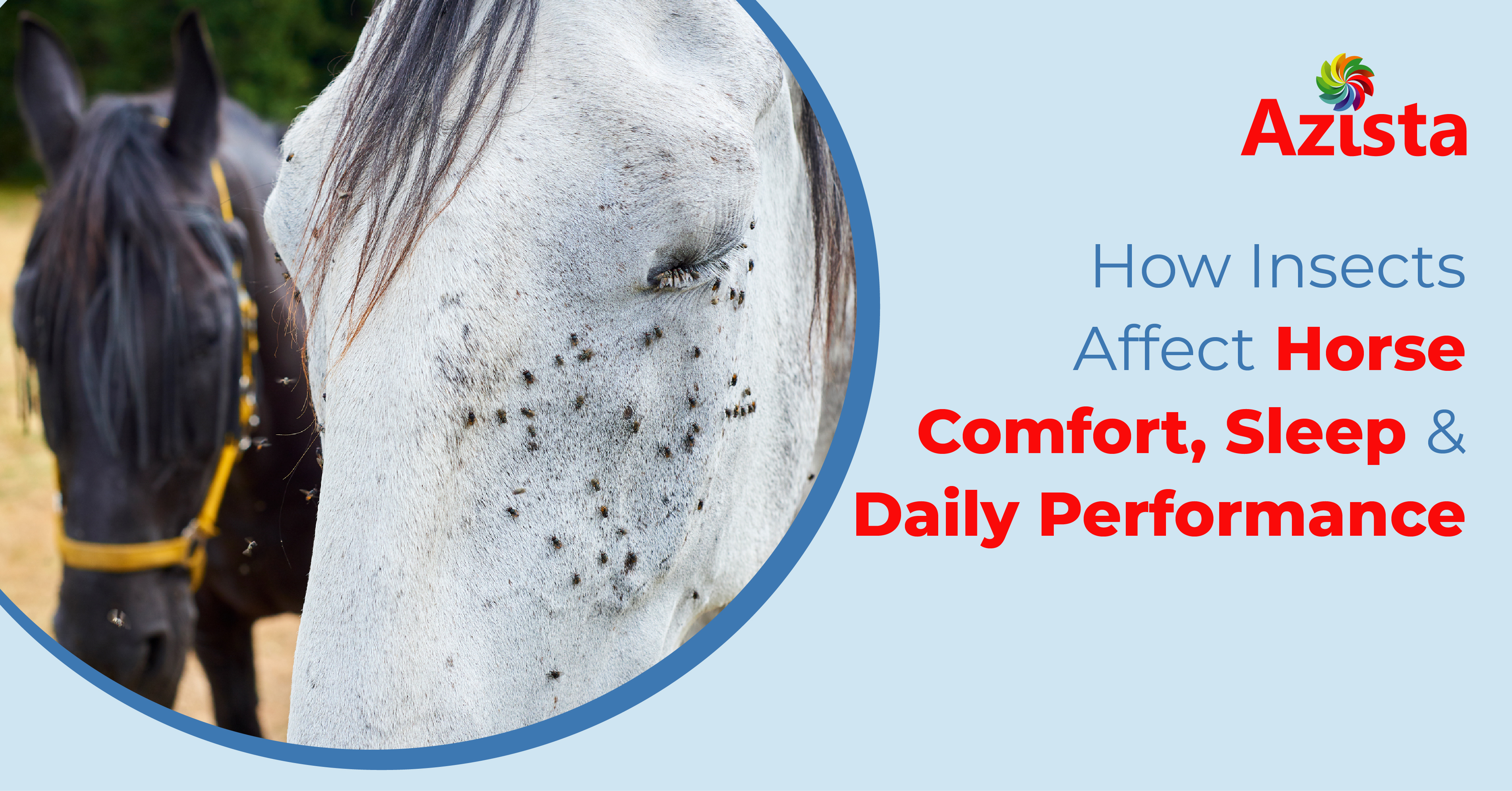
How Insects Affect Horse Comfort, Sleep & Daily Performance -
 Jul 20, 2026
Why Sudden Vomiting in Pets Should Never Be Ignored: Common Gastro Problems Explained
Fleas vs Ticks vs Mites: Which One Is Causing the Itching?
Apr 25, 2026
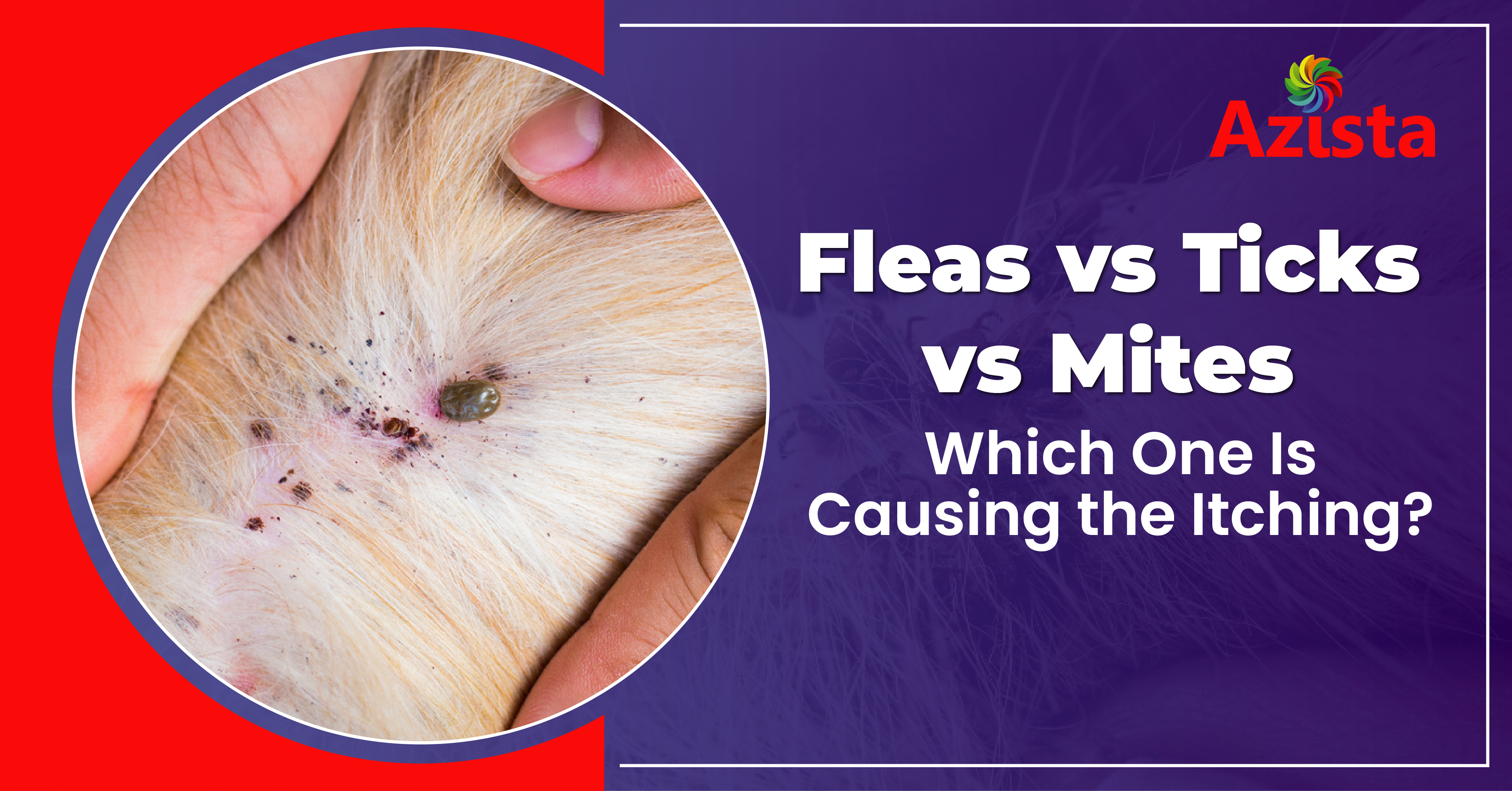
If your dog is itching excessively, the cause is often fleas, ticks, or mites. Fleas typically cause constant itching with visible flea dirt, ticks attach to the skin and can be seen as small lumps, while mites lead to intense irritation and skin damage. Identifying the source helps in choosing the right treatment.
Why Is Your Dog Itching After a Walk?
Many pet owners notice that their dog starts scratching more after outdoor activities. This is because walks, especially in grassy or wooded areas, expose dogs to parasites such as fleas, ticks, and mites. These parasites attach to the skin or fur and begin feeding, which leads to irritation and discomfort.
While occasional scratching is normal, persistent itching after a walk is often a sign that your dog may have picked up an external parasite.
Understanding Fleas in Dogs
Fleas are tiny, fast-moving insects that live on your dog's skin and feed on blood. They are one of the most common causes of itching in dogs and can multiply quickly if not controlled.
Dogs with fleas often scratch continuously, especially around the neck, back, and tail area. One of the most recognisable signs is flea dirt on dogs, which appears as small black specks resembling pepper. These specks are actually flea droppings and are a strong indicator of infestation.
Flea bites can also lead to allergic reactions in some dogs, making the itching even more intense.
Tick Infestation Signs in Dogs
Ticks are larger than fleas and can often be seen attached to the dog's skin. They latch onto the skin and feed on blood for extended periods, which can cause irritation and sometimes transmit diseases.
Unlike fleas, ticks do not usually cause constant scratching. Instead, pet owners may notice small lumps on the skin where the tick is attached. Common tick infestation signs include swelling at the bite site, mild irritation, and visible ticks, especially around the ears, neck, and paws.
Dogs that spend time outdoors are at a higher risk of tick exposure.
Dog Mite Symptoms and Skin Issues
Mites are microscopic parasites that live on or within the skin. Unlike fleas and ticks, they are not visible to the naked eye, but their effects can be quite severe.
Dogs affected by mites often show intense itching, redness, and hair loss. In some cases, the skin may become thickened, crusty, or inflamed. Common dog mite symptoms include persistent scratching, bald patches, and irritated skin, which may worsen over time if left untreated.
Mite infestations, such as mange, can spread quickly and require proper treatment.
Dog Tick vs Flea Bites - How to Tell the Difference
It can sometimes be difficult to distinguish between flea and tick bites, but there are a few key differences. Flea bites usually appear as multiple small red bumps and cause widespread itching. Ticks, on the other hand, tend to attach in one place, creating a noticeable lump.
If your dog is scratching all over the body and you notice flea dirt, fleas are likely the cause. If you find a single raised bump with a visible parasite attached, it is more likely a tick. Observing these patterns can help you identify the issue more accurately.
How to Check Your Dog for Parasites
Regular inspection is important, especially if your dog spends time outdoors. Running your hands through your dog's coat and checking areas such as behind the ears, under the collar, and between the toes can help detect parasites early.
Fleas may be seen moving quickly through the fur, while ticks appear as small, attached bumps. Although mites are not visible, signs such as redness, flaking, and hair loss can indicate their presence.
Effective Treatment Options
Treating external parasites requires a combination of hygiene and appropriate products. Using a flea and tick shampoo can help remove parasites and soothe the skin. Regular bathing not only cleans the coat but also reduces the chances of infestation.
In addition, applying a tick spray for dogs can provide ongoing protection, especially for dogs that frequently go outdoors. These sprays help repel parasites and prevent them from attaching to the skin.
Choosing reliable and vet-recommended products is essential for safe and effective care. Solutions from AzistaVet's range of pet care products are designed to support parasite control, maintain skin hygiene, and reduce the risk of infestations when used as part of a regular care routine.
Preventing Fleas, Ticks, and Mites
Prevention plays a key role in protecting your dog from discomfort and health issues. Keeping your dog clean, maintaining a hygienic environment, and using preventive products regularly can significantly reduce the risk of infestation.
It is also important to wash bedding, clean living areas, and avoid exposing your dog to heavily infested environments. Routine care helps break the life cycle of parasites and keeps your dog comfortable.
When to See a Veterinarian
While mild infestations can be managed with proper care, some situations require professional attention. If your dog continues scratching despite treatment, develops skin infections, or shows signs of severe irritation, it is best to consult a veterinarian.
Early intervention can prevent complications and ensure that your dog receives the appropriate treatment.
Key Takeaways
Fleas, ticks, and mites are common causes of itching in dogs, but each presents differently. Fleas cause widespread itching and leave behind flea dirt, ticks attach to the skin and form visible lumps, and mites lead to intense irritation and skin damage. Recognising these differences helps in choosing the right treatment and preventing further issues.
Frequently Asked Questions
1. How do I know if my dog has fleas or ticks?Fleas cause constant itching and leave flea dirt, while ticks are visible and attach to the skin as small lumps.
2. Why is my dog itching after a walk?Your dog may have picked up fleas or ticks from grass, soil, or other animals during the walk.
3. What are common dog mite symptoms?Mite infestations often cause intense itching, redness, hair loss, and irritated skin.
4. What is the best way to prevent fleas and ticks?Regular grooming, hygiene, and the use of a flea and tick shampoo along with protective sprays can help prevent infestations.
5. Can I treat parasites at home?Mild cases can be managed with proper care products, but severe infestations should be treated by a veterinarian.
Conclusion
If your dog is scratching excessively, identifying whether fleas, ticks, or mites are responsible is the first step towards effective treatment. Each parasite affects the skin differently, and recognising the signs early can prevent discomfort and more serious health issues.
Maintaining proper hygiene, regular inspections, and using reliable solutions such as flea and tick shampoo and tick spray for dogs from AzistaVet's pet care range can help protect your dog from infestations. With the right care and timely action, you can ensure your pet stays healthy, comfortable, and itch-free.