Table of Contents
More from Blog
-
 Sep 28, 2026
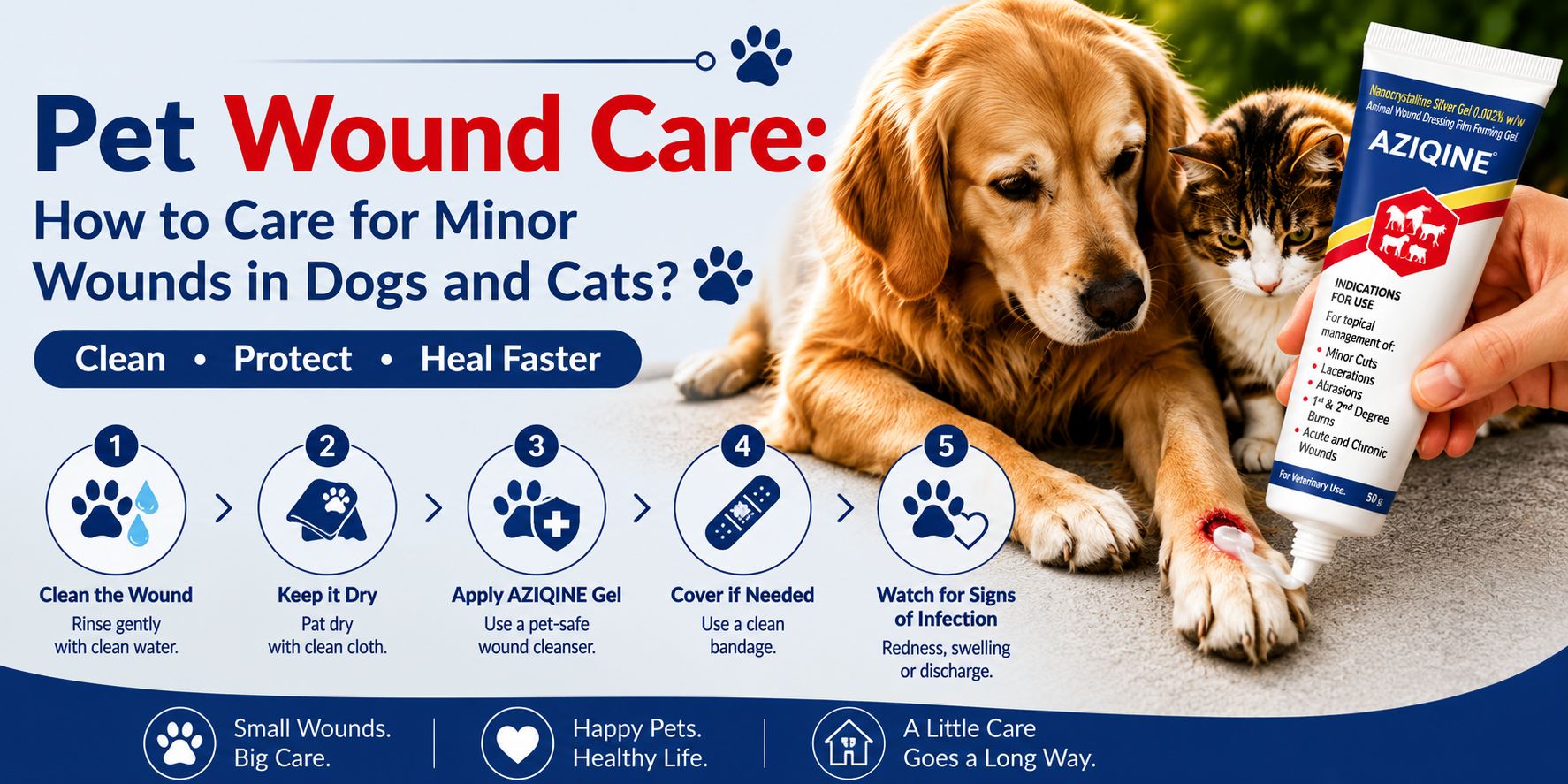
Pet Wound Care: How to Care for Minor Wounds in Dogs and Cats -
 Sep 25, 2026
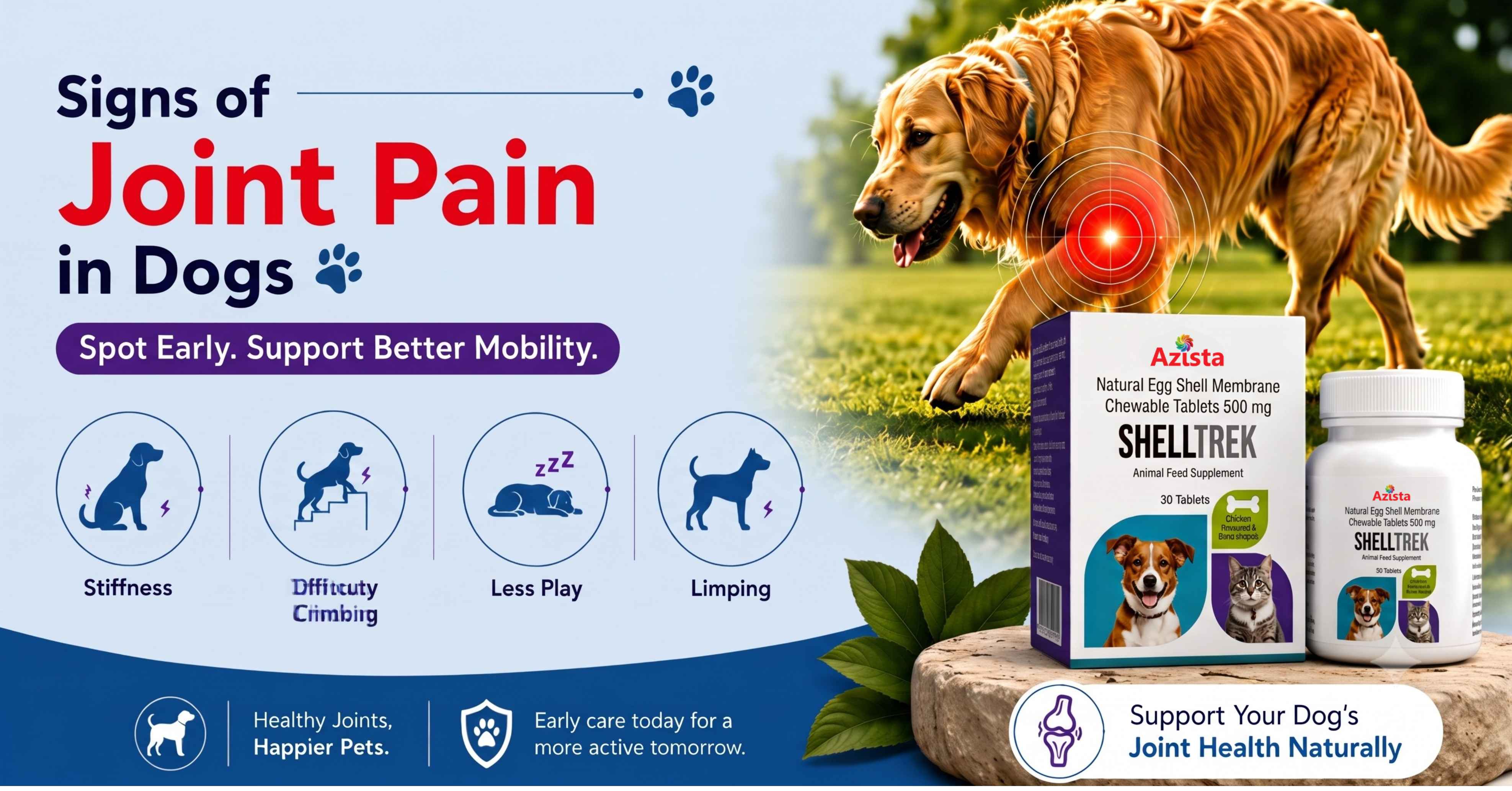
Signs of Joint Pain in Dogs: Spot Early. Support Better Mobility -
 Jul 30, 2026
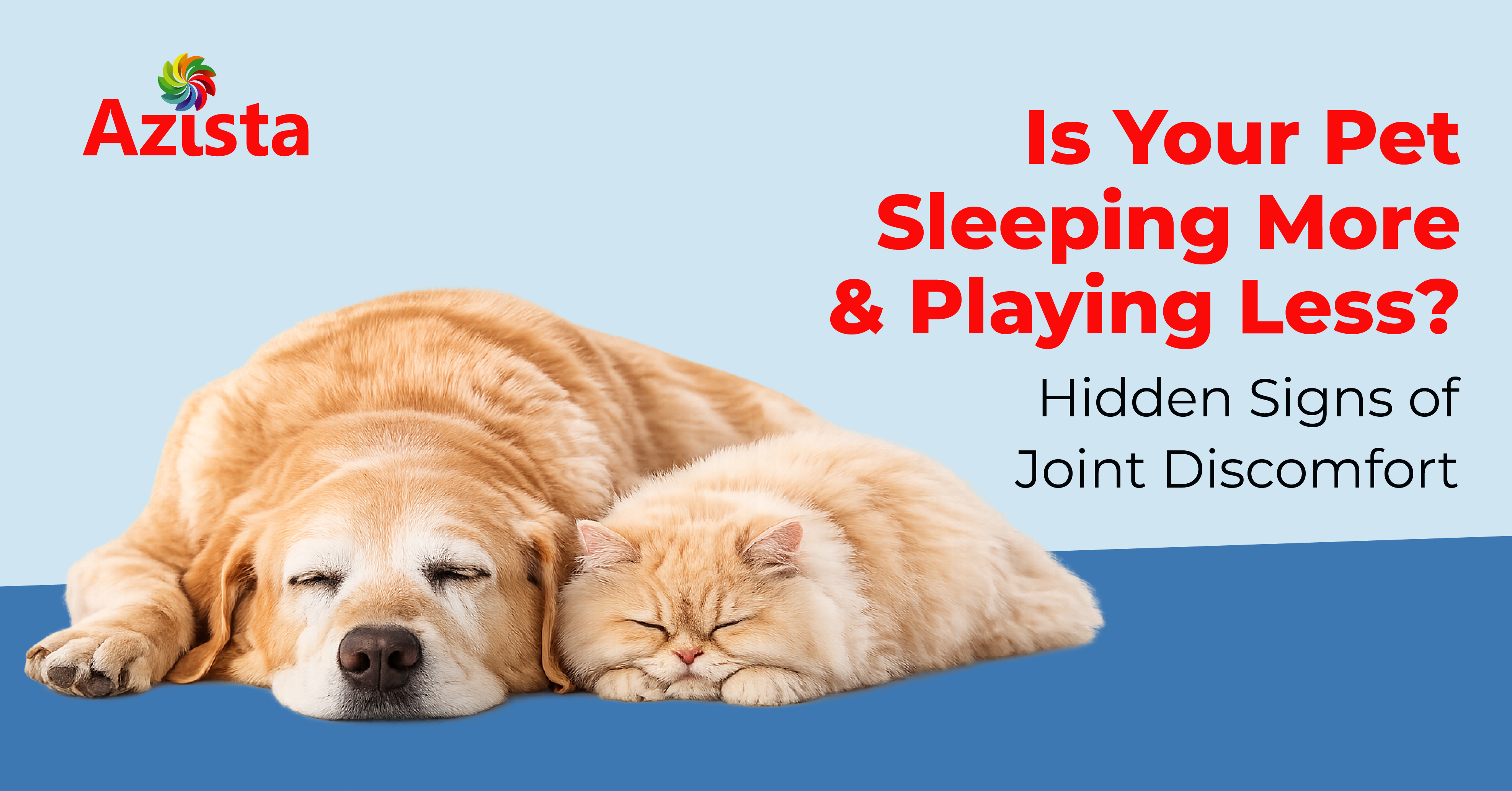
Is Your Pet Sleeping More & Playing Less? Hidden Signs of Joint Discomfort -
 Jul 25, 2026
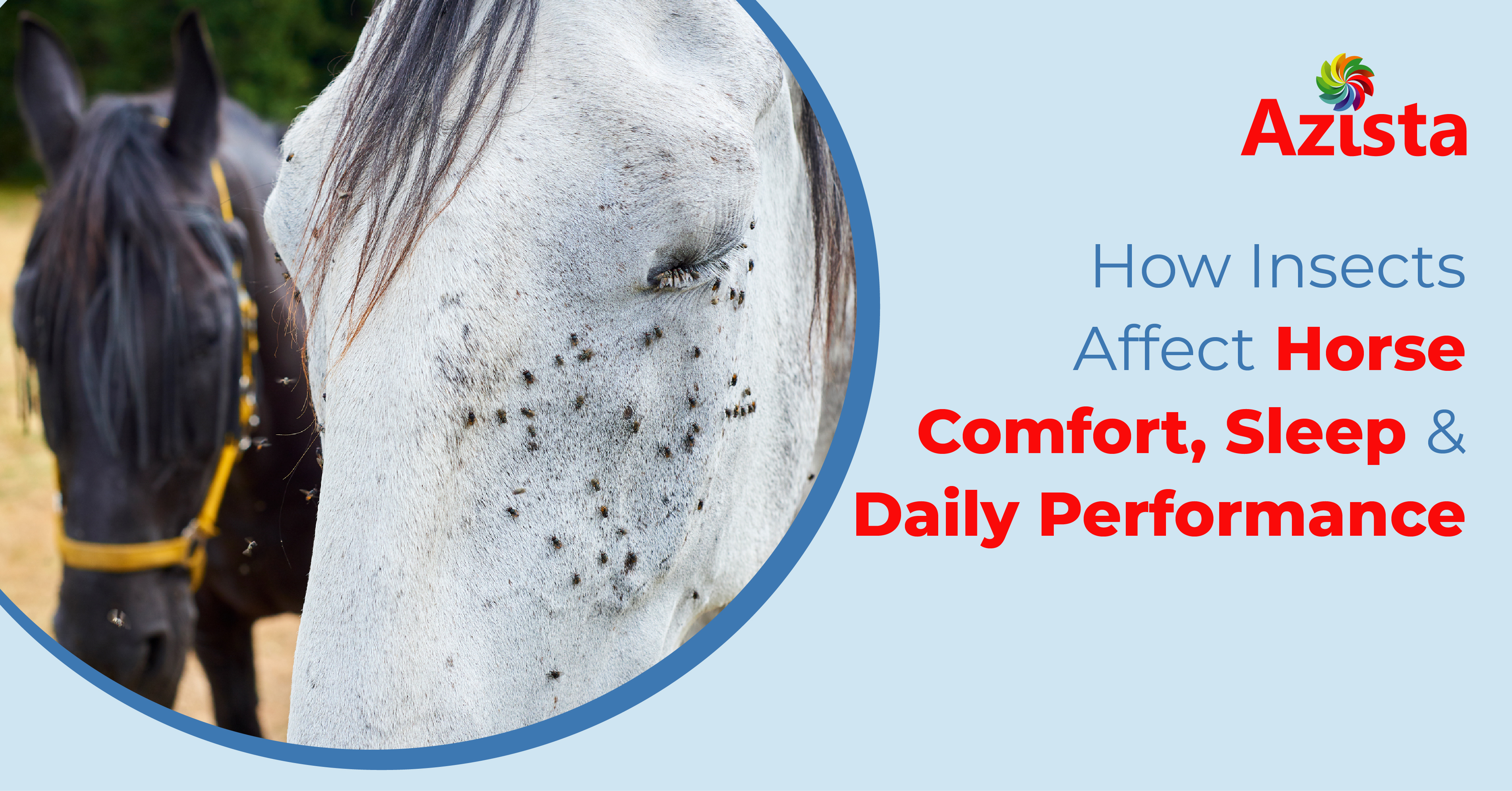
How Insects Affect Horse Comfort, Sleep & Daily Performance -
 Jul 20, 2026
Why Sudden Vomiting in Pets Should Never Be Ignored: Common Gastro Problems Explained
Itchy Skin in Dogs & Cats? How Medicated Shampoo Helps Ease Discomfort
Mar 18, 2026
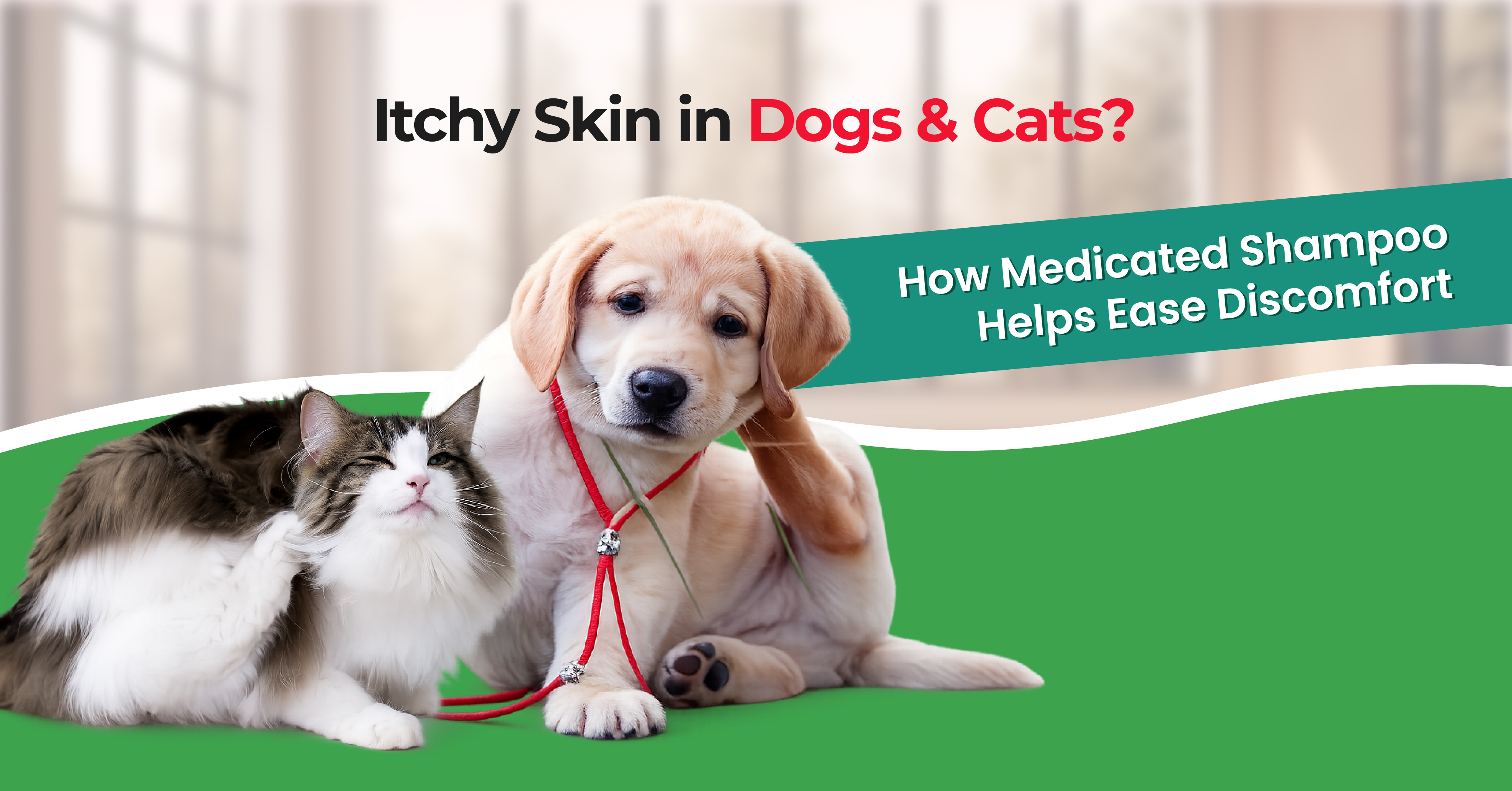
Itchy skin is a common problem in both dogs and cats and can be caused by allergies, infections, parasites, or environmental factors. Persistent scratching can damage the skin barrier and worsen discomfort if left unaddressed. Medicated shampoos are specially formulated to cleanse, soothe irritation, and target underlying causes such as fungal or bacterial overgrowth. This guide explains why pets experience itchy skin, how medicated shampoos work, and when they are most helpful.
Understanding Itchy Skin in Pets
Itchy skin, also known as pruritus, is one of the most frequent reasons pet owners seek veterinary advice. Occasional scratching is normal, but persistent itching often signals an underlying issue. Dogs and cats rely on a healthy skin barrier to protect against allergens, bacteria, and moisture loss. When this barrier is compromised, irritation and inflammation can occur, leading to redness, flakes, hair loss, or infections.
Common Causes of Itchy Skin in Dogs and Cats
Itchy skin can develop for many reasons, and identifying the cause is important for proper care.
Allergies
Environmental allergens such as pollen, dust mites, and mold are common triggers. Food sensitivities may also cause itching, often accompanied by digestive upset.
Skin Infections
Bacterial and fungal organisms naturally live on the skin, but overgrowth can occur when the skin barrier is weakened. This often leads to redness, odor, and discomfort.
Parasites
Fleas, mites, and ticks can cause intense itching. Even a single flea bite may trigger severe scratching in sensitive pets.
Dry Skin and Environmental Factors
Low humidity, frequent bathing with harsh products, or seasonal changes can dry out the skin, increasing itchiness.
Signs Your Pet’s Itching Needs Attention
Not all itching requires treatment, but certain signs indicate the need for targeted care. These include constant scratching or licking, red or inflamed skin, flaky patches, hair thinning, scabs, or an unpleasant odor. Cats may groom excessively, while dogs may chew their paws or rub against furniture. When these signs persist, using a medicated pet shampoo may help soothe the skin and address underlying causes.
How Medicated Shampoo Helps Pets
Medicated shampoos are designed to do more than basic cleansing. Unlike regular grooming products, they contain active ingredients that help manage specific skin conditions.
A medicated pet shampoo helps remove debris, allergens, and excess oils while delivering ingredients that calm irritation. These shampoos can help reduce itching, support healing, and restore the skin’s natural balance. Regular use as directed may prevent recurring skin issues and improve overall comfort.
Types of Medicated Pet Shampoos
Different skin concerns require different formulations. Understanding the types available helps in choosing the right option.
Antifungal Dog Shampoo
An antifungal dog shampoo is used when fungal overgrowth contributes to itching, redness, or odor. These shampoos help control fungal organisms on the skin surface and are commonly used for pets prone to recurring skin issues.
Antibacterial Pet Shampoo
Bacterial infections often cause redness, sores, or crusty patches. An antibacterial pet shampoo helps reduce bacterial load, cleanse affected areas, and support skin recovery.
Medicated Shampoo for Cats
Cats have more sensitive skin and grooming habits than dogs. A medicated shampoo for cats is formulated to be gentle while addressing common feline skin concerns such as itching or dandruff.
Antifungal Shampoos for Dogs
Fungal-related skin issues are common in dogs, especially in warm or humid environments. Dogs with skin folds or thick coats may be more susceptible. Antifungal shampoos work by targeting fungal organisms while soothing inflamed skin. Regular bathing with the appropriate shampoo can help manage symptoms and reduce recurrence when combined with good hygiene practices.
Antibacterial Shampoos and Skin Health
Bacterial skin conditions often develop when scratching damages the skin barrier. Antibacterial shampoos help cleanse the skin and reduce irritation. These shampoos are often used as part of a broader skin care routine and can help prevent minor skin problems from becoming more severe.
Choosing the Best Shampoo for Dogs and Cats
Selecting the best shampoo for dogs or cats depends on the pet’s skin condition, coat type, and sensitivity level.
Consider Skin Type and Symptoms
Dry, flaky skin may benefit from moisturizing ingredients, while red or oozing areas may need antibacterial support. Cats and puppies require gentler formulations.
Avoid Harsh Ingredients
Strong fragrances, artificial dyes, and alcohol can worsen irritation. Medicated shampoos should balance effectiveness with skin safety.
Read Usage Instructions Carefully
Some medicated shampoos require contact time on the skin before rinsing. Following directions ensures the active ingredients work effectively.
How to Use Medicated Shampoo Safely
Proper use is essential for best results. Wet the coat thoroughly, apply the shampoo evenly, and gently massage into the skin. Allow the shampoo to remain on the skin for the recommended time before rinsing completely. Avoid contact with eyes, ears, and mouth. Always dry your pet properly after bathing to prevent moisture-related irritation.
Bathing Frequency and Skin Recovery
Overbathing can strip natural oils and worsen itching. Medicated shampoos are usually used once or twice a week, depending on the condition. Once symptoms improve, bathing frequency may be reduced to maintenance levels. Consistency, rather than frequent bathing, supports long-term skin health.
Supporting Skin Health Beyond Shampoo
Shampoo alone is not always enough. A balanced diet, proper hydration, parasite prevention, and a clean living environment all support healthy skin. Reducing exposure to known allergens and maintaining regular grooming can also help minimize itching.
Common Mistakes to Avoid
Using human shampoos on pets is a common mistake, as these products can disrupt the skin’s natural pH. Another mistake is stopping treatment too early, which may allow symptoms to return. Ignoring persistent itching without addressing the cause can lead to chronic skin problems.
Frequently Asked Questions
How often can medicated pet shampoo be used?
Most medicated shampoos are used once or twice a week, depending on the condition and product instructions.
Is antifungal shampoo safe for long-term use?
Antifungal shampoos are generally safe when used as directed, but long-term use should be reviewed periodically.
Can one pet shampoo work for both cats and dogs?
Yes. When formulated specifically for multi-pet use, shampoos can safely cleanse and care for the skin and coat of both cats and dogs.
When should a vet be consulted?
If itching is severe, persistent, or accompanied by sores or hair loss, professional advice is recommended.
Final Takeaway
Itchy skin in dogs and cats is common and can significantly affect comfort and quality of life. Medicated shampoos offer targeted support by cleansing the skin and addressing underlying causes such as fungal or bacterial imbalance. When chosen carefully and used correctly, they can help ease discomfort, support healing, and maintain healthier skin. Combined with good nutrition, grooming, and lifestyle care, medicated shampoos play an important role in managing pet skin health effectively.