Table of Contents
More from Blog
-
 Sep 28, 2026
Pet Wound Care: How to Care for Minor Wounds in Dogs and Cats -
 Sep 25, 2026
Signs of Joint Pain in Dogs: Spot Early. Support Better Mobility -
 Jul 30, 2026
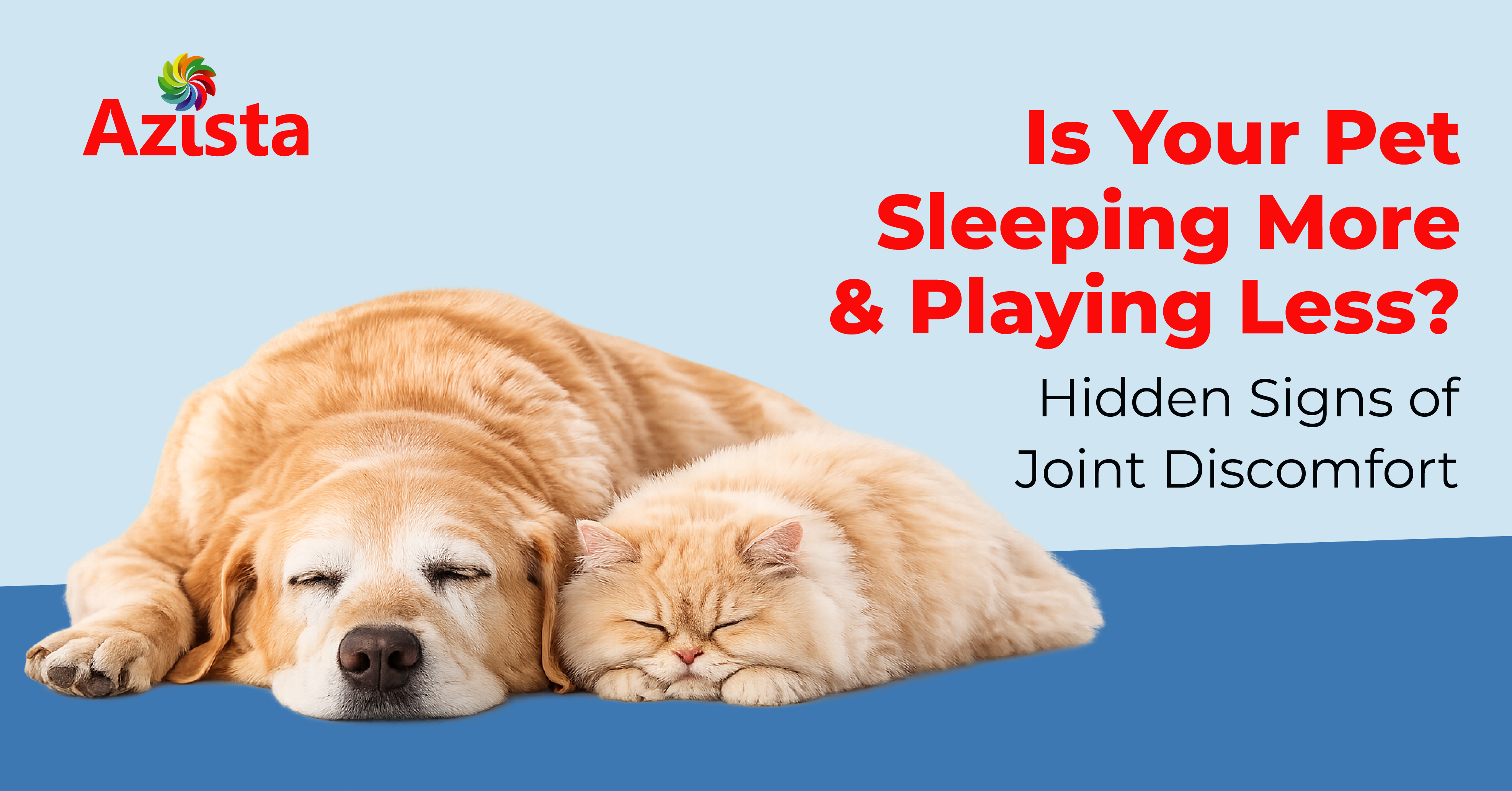
Is Your Pet Sleeping More & Playing Less? Hidden Signs of Joint Discomfort -
 Jul 25, 2026
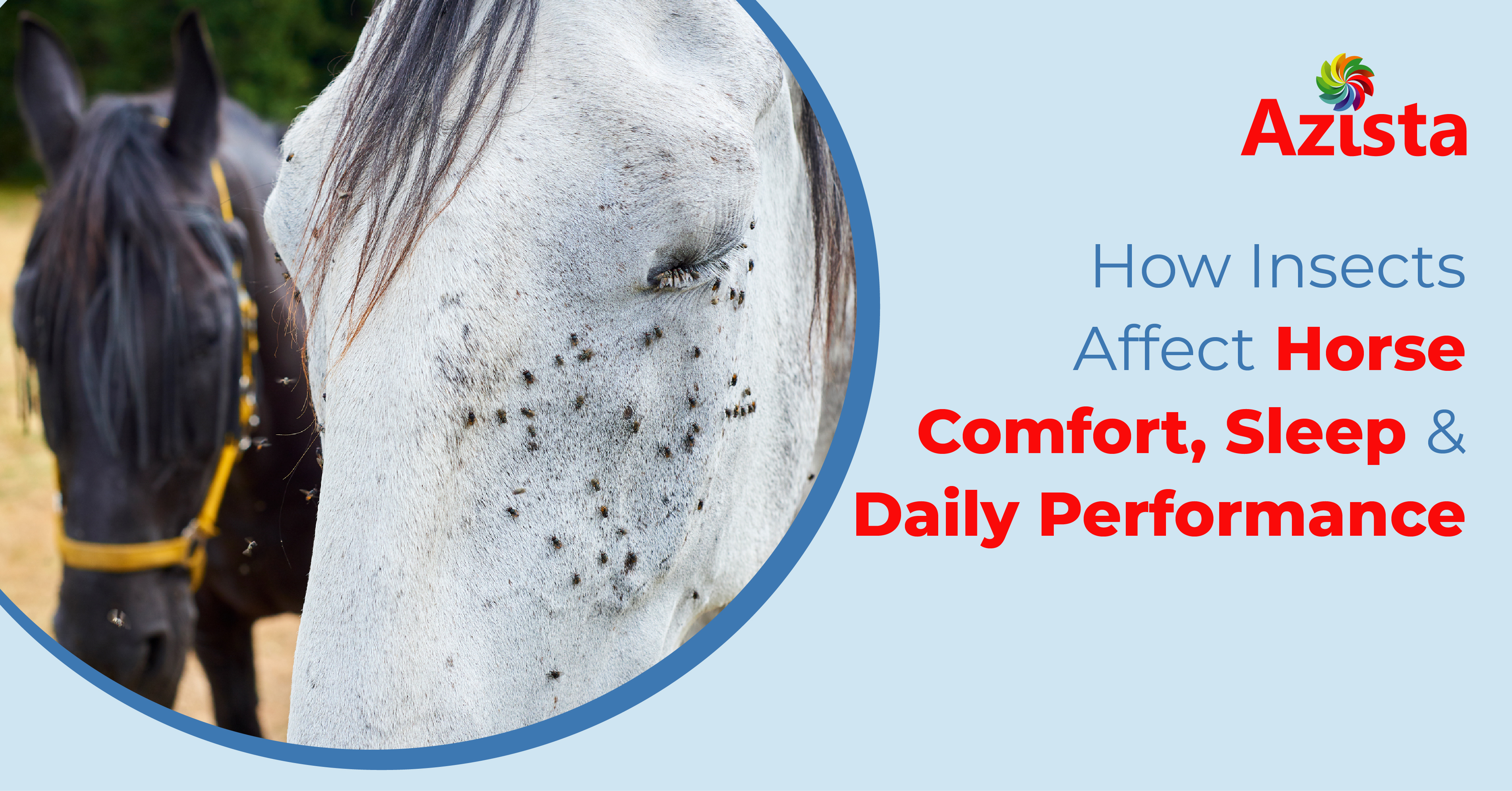
How Insects Affect Horse Comfort, Sleep & Daily Performance -
 Jul 20, 2026
Why Sudden Vomiting in Pets Should Never Be Ignored: Common Gastro Problems Explained
Scratching, Odor, or Shaking Head? How to Spot Ear Mites vs Infections in Pets
Jan 28, 2026

Ear problems in pets are common and often start with scratching, head shaking, or unpleasant odor. While ear mites and ear infections show similar symptoms, their causes and treatments are different. Knowing how to identify early warning signs helps pet owners take timely action and avoid chronic discomfort. This guide explains key differences, symptoms, and practical pet ear care tips for dogs and cats.
Why Ear Health Matters for Pets
Ears are sensitive organs, and even minor issues can cause significant discomfort for pets. Poor ear health can affect balance, hearing, and overall behavior. Unfortunately, ear problems often go unnoticed until symptoms become severe.
Regular monitoring and basic ear cleaning for pets play a vital role in preventing complications. Early attention to subtle signs such as scratching or odor can stop minor issues from progressing into painful infections.
Ear Mites vs Ear Infections: Key Differences
Although symptoms may overlap, ear mites and ear infections in pets are very different conditions.
Ear mites are tiny parasites that live in the ear canal and feed on skin debris. They are highly contagious and more common in puppies, kittens, and outdoor pets.
Ear infections, on the other hand, are caused by bacteria or yeast. They often develop due to moisture buildup, allergies, poor ventilation, or improper ear hygiene. Chronic ear infection pets may experience recurring flare-ups if the underlying cause is not addressed.
Understanding these differences helps pet owners choose appropriate treatment and avoid unnecessary medication.
Common Symptoms to Watch For
Persistent Scratching and Head Shaking
One of the most noticeable signs is frequent scratching or head shaking. Itchy ears in dogs often indicate irritation caused by mites, infection, or trapped moisture.
Foul Odor from the Ears
A strong, unpleasant smell is more commonly associated with bacterial or yeast infections. Cat ear infection cases often present with odor along with redness and discharge.
Dark or Unusual Ear Discharge
Ear mites typically produce dark, crumbly debris that resembles coffee grounds. Infections may cause yellow, brown, or pus-like discharge depending on severity.
Redness and Swelling
Inflammation of the ear canal is common in both conditions. However, infections often lead to increased sensitivity and pain when the ear is touched.
Behavioral Changes
Pets may become irritable, withdrawn, or resistant to ear handling. Cats with ear problems may hide more often or show reduced grooming behavior.
Causes of Ear Problems in Pets
Several factors contribute to ear problems in dogs and cats. Excess moisture from bathing or swimming can create an ideal environment for bacterial growth. Allergies to food or environmental triggers also play a major role in recurring ear infections
Ear mites are commonly transmitted through close contact with infected animals. Poor hygiene, lack of routine ear cleaning for pets, and untreated minor issues increase the risk of chronic conditions.
Breed-specific anatomy, such as floppy ears in dogs, can further limit airflow and trap debris inside the ear canal.
How Ear Issues Are Diagnosed
Veterinarians diagnose ear conditions through physical examination and microscopic analysis of ear discharge. This helps differentiate dog ear mites from bacterial or yeast infections.
Accurate diagnosis is essential, as treatments vary significantly. Using the wrong medication may worsen symptoms or delay recovery. Early veterinary evaluation ensures appropriate care and faster relief.
Proper Ear Care and Prevention
Preventive care is the most effective way to reduce ear problems in pets. Routine inspection and gentle cleaning help remove dirt, wax, and excess moisture before irritation begins.
Using a pet ear care solution or ear cleaning solution for pets as part of a regular hygiene routine can help maintain a healthy ear environment. Such products are designed to cleanse without irritating sensitive ear tissue.
For example, many pet owners use ear cleaning products for dogs and cats like this medicated ear cleanser for pets to support routine ear hygiene and reduce the buildup that often leads to infections.
In cases of active infection, veterinarians may prescribe medicated ear drops for pets to control bacterial or yeast growth. These should always be used under professional guidance.
Preventive measures include:
- Drying ears thoroughly after baths or swimming
- Avoiding excessive moisture exposure
- Maintaining regular ear cleaning routines
- Monitoring pets with known allergies
Frequently Asked Questions (FAQs)
How can I tell if my pet has ear mites or an infection?
Ear mites usually cause intense itching and dark debris, while infections often produce odor, redness, and discharge. A veterinary exam is the most reliable way to confirm.
Are ear infections common in pets?
Yes. Ear infection pets are common, especially in dogs with floppy ears and pets with allergies or frequent moisture exposure.
Can regular ear cleaning prevent ear problems?
Routine ear cleaning for pets helps reduce wax buildup and moisture, lowering the risk of both mites and infections.
When should I see a veterinarian?
If symptoms such as head shaking, odor, pain, or discharge persist for more than a few days, consult a veterinarian promptly.
Final Takeaway
Scratching, odor, and head shaking are warning signs that should never be ignored. While ear mites and ear infections share similar symptoms, their causes and treatments differ significantly. Early recognition, proper diagnosis, and consistent pet ear care can prevent chronic discomfort and complications. With regular monitoring and appropriate hygiene practices, pet owners can protect their pets’ ear health and overall well-being.