Table of Contents
More from Blog
-
 Sep 28, 2026
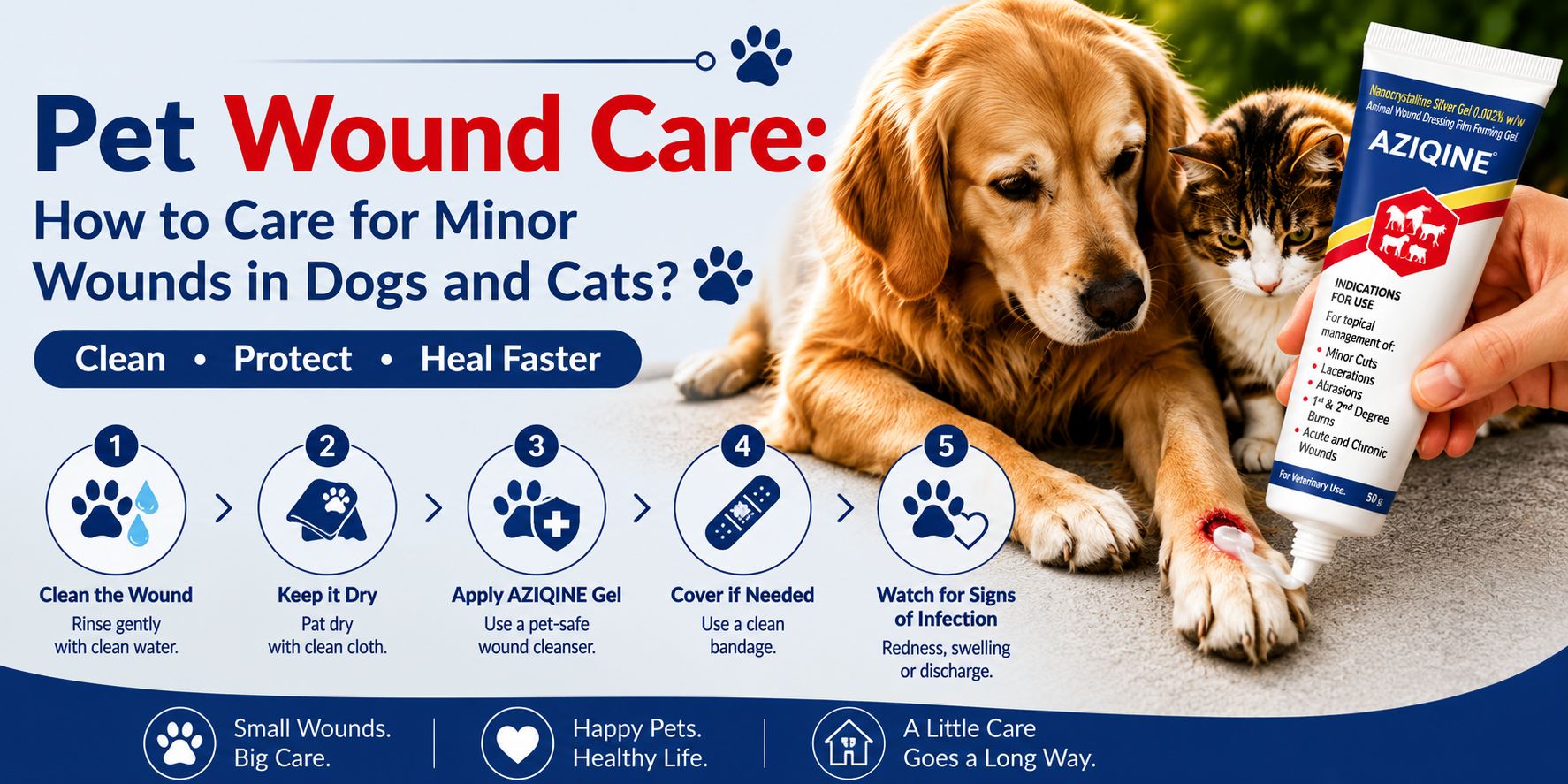
Pet Wound Care: How to Care for Minor Wounds in Dogs and Cats -
 Sep 25, 2026
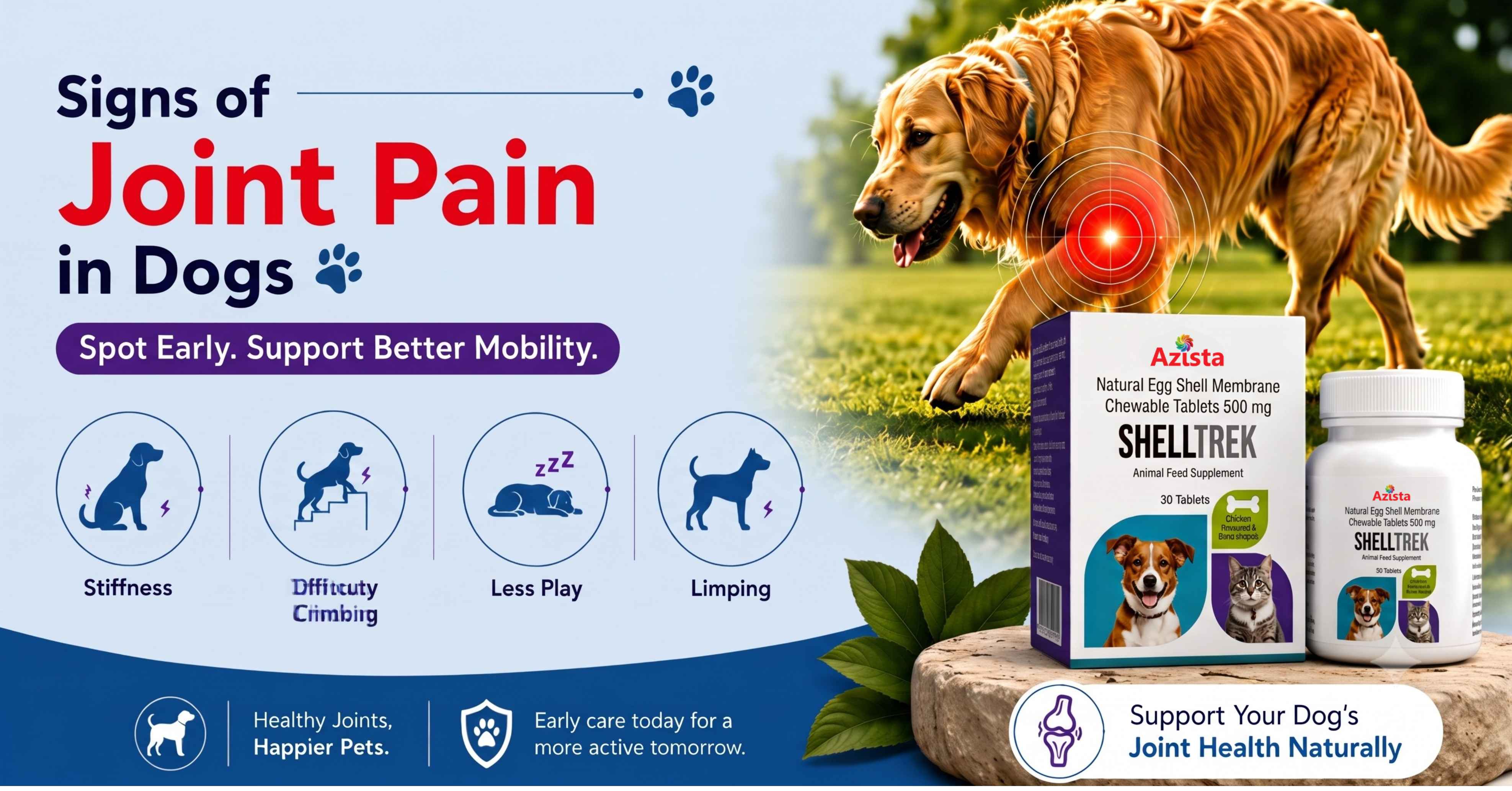
Signs of Joint Pain in Dogs: Spot Early. Support Better Mobility -
 Jul 30, 2026
Is Your Pet Sleeping More & Playing Less? Hidden Signs of Joint Discomfort -
 Jul 25, 2026
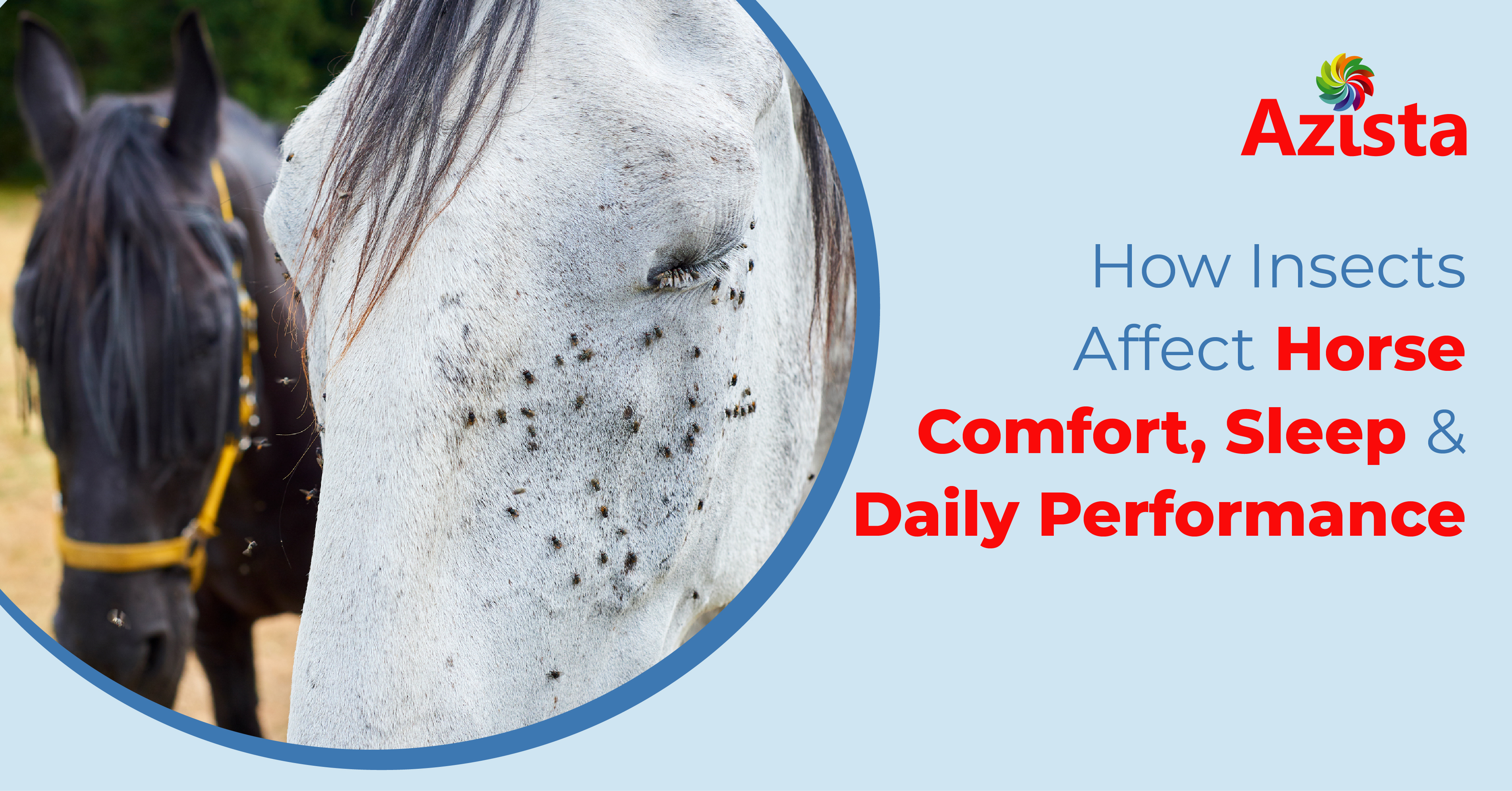
How Insects Affect Horse Comfort, Sleep & Daily Performance -
 Jul 20, 2026
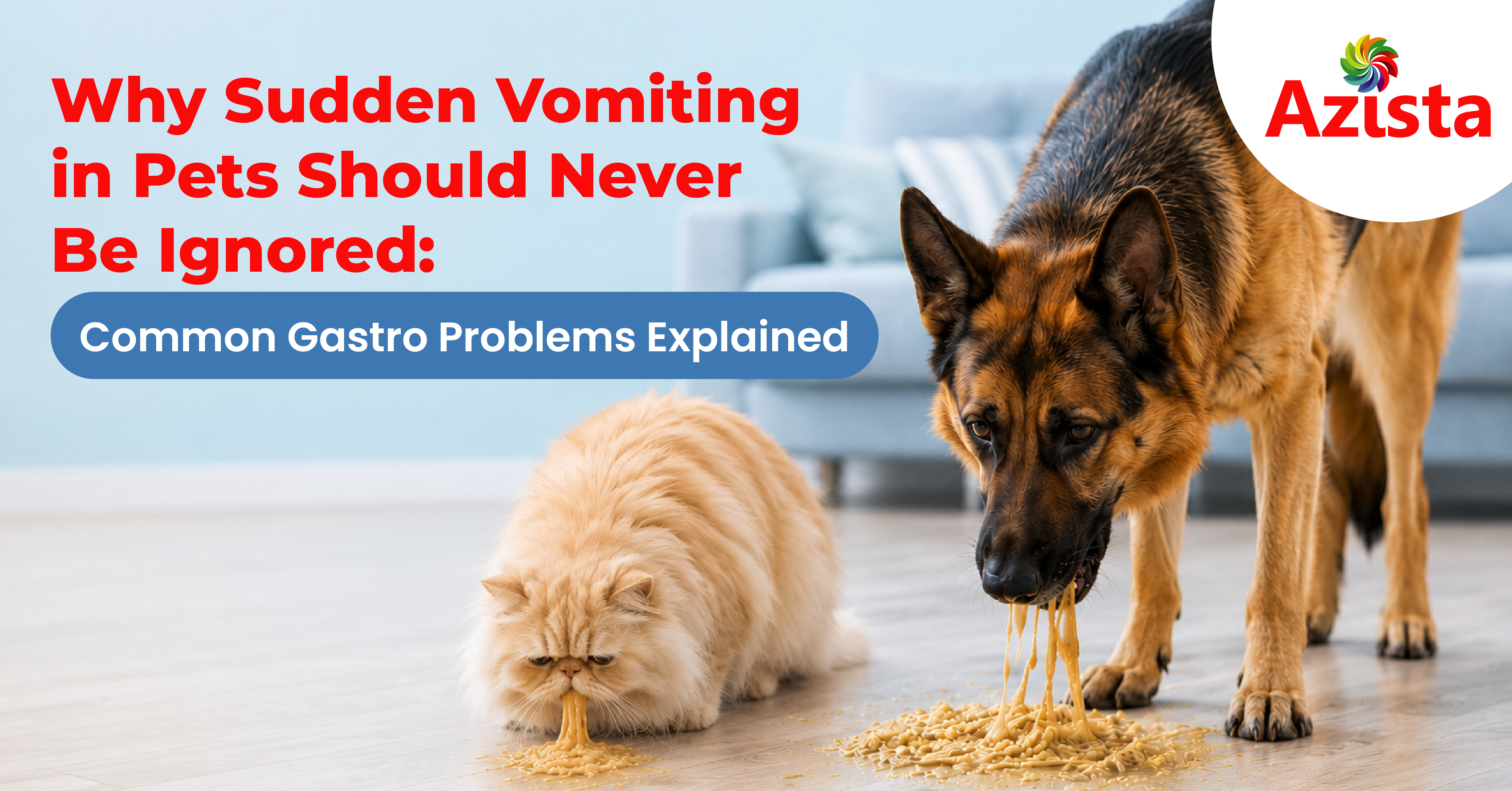
Why Sudden Vomiting in Pets Should Never Be Ignored: Common Gastro Problems Explained
Why Pets Eat Less in Winter: Low Appetite, Digestion Issues & Vet-Approved Supplements for Recovery
Dec 24, 2025
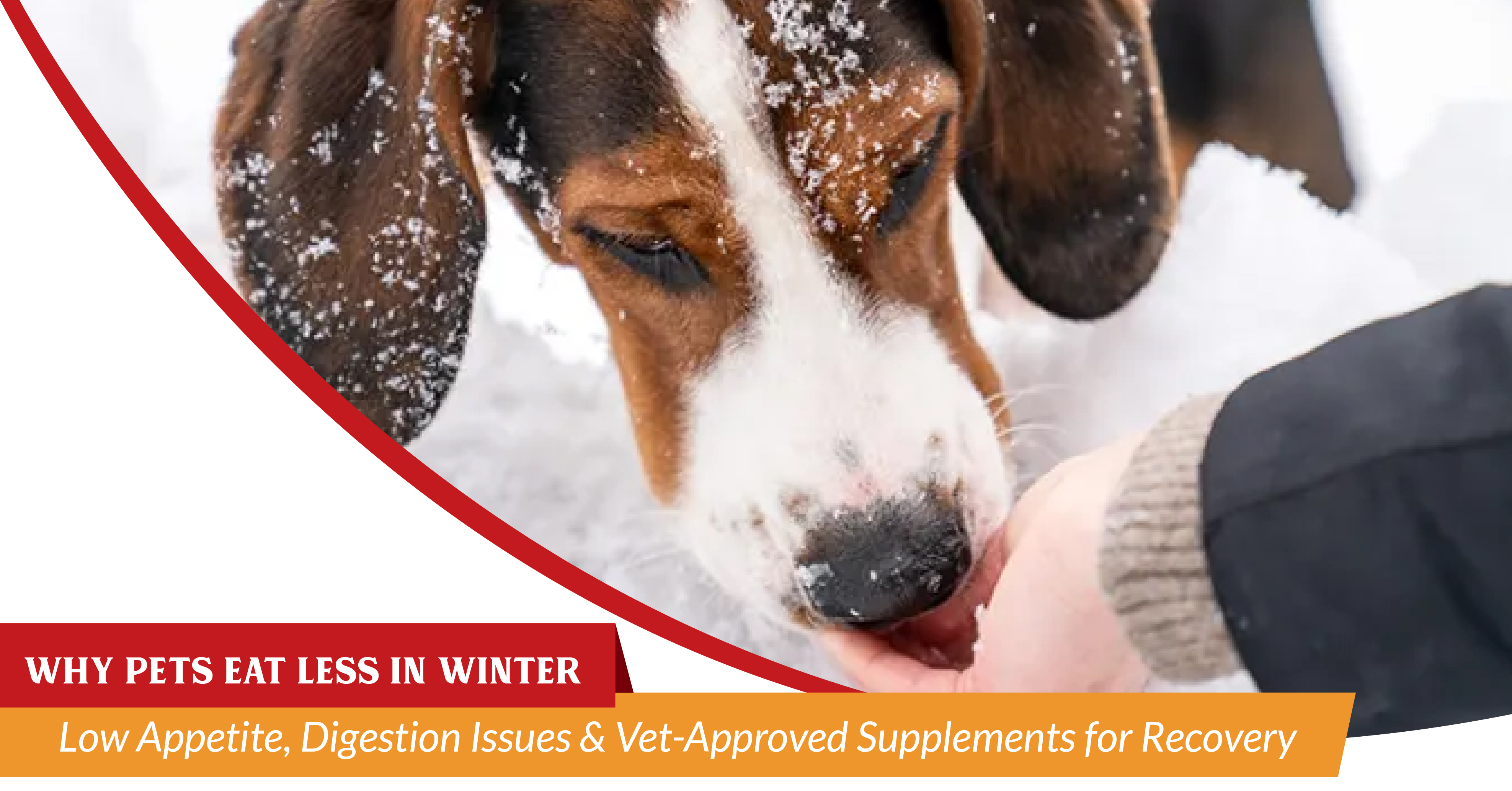
As temperatures drop, many pet parents notice a surprising pattern: dogs and cats eat less in winter. While it can be worrying to see your pet refusing food or eating slowly, winter appetite changes are actually quite common. Seasonal shifts affect metabolism, digestion, hydration levels, and even mood.
Why Pets Eat Less in Winter
1. Natural Seasonal Behavior
One of the biggest reasons for low appetite in pets during winter is decreased activity. With fewer walks, less outdoor playtime, and shorter days, pets naturally burn fewer calories. As a result, their bodies may not signal hunger as frequently.
2. Cold Temperature Sensitivity
Cold weather affects your pet's metabolism. While some pets eat more to stay warm, many dogs and cats experience:
- Lower metabolic rates
- Reduced smell sensitivity
- Slower digestion
- Indoor heating can also dry out the air, which may reduce their overall desire to eat or drink.
3. Boredom & Mood Changes
Winter often means less stimulation and reduced sunlight, both of which can affect your pet's mood and appetite. Pets may appear sleepy, restless, or disinterested in food, much like humans experiencing seasonal fatigue.
Common Digestion Issues in Winter
Winter doesn't just affect appetite; it can also trigger digestion problems in pets. Here are the most common issues:
1. Slow Metabolism
Cold weather slows down the digestive process. This means:
- Longer digestion times
- Delayed hunger signals
- Occasional constipation
This is especially common in senior pets.
2. Reduced Water Intake
Many pets drink significantly less water in winter. Mild dehydration can lead to:
- Hard stools
- Poor digestion
- Acid reflux
- Reduced appetite
Water intake is essential for maintaining healthy gut function in both dogs and cats.
3. Gastrointestinal Disturbances
Sudden winter routine changes such as delayed walks, irregular meals, or switching to warm foods may cause:
- Gas
- Vomiting
- Diarrhea
- Poor stool quality
Cold food can also irritate sensitive stomachs, further reducing appetite.
Warning Signs Your Pet's Low Appetite Is Serious
While seasonal appetite changes are usually mild, monitor your pet if you notice:
Refusal to eat for 24-48 hours
- Continuous vomiting or diarrhea
- Rapid weight loss
- Signs of dehydration
- Abdominal pain
- Lethargy or weakness
These signs may indicate underlying issues and require immediate veterinary care.
Vet-Approved Ways to Improve Your Pet's Appetite This Winter
1. Offer Warm & Palatable Meals
Warming food enhances aroma and taste extremely helpful for dogs with low appetites in winter and cats who are eating less. You can:
- Heat wet food slightly
- Add warm bone broth
- Mix dry food with warm water
2. Increase Hydration
To prevent winter dehydration:
- Offer lukewarm water
- Add broth to meals
- Provide water-rich treats
- Hydration is key to avoiding digestion issues and maintaining energy levels.
3. Maintain a Routine
Pets thrive on consistency. Create a fixed schedule for:
- Feeding
- Walks
- Playtime
- Indoor enrichment
- A structured routine stimulates natural hunger cues.
Vet-Approved Supplements for Winter Appetite & Digestion Support
This is where gut health supplements play a major role. If your pet struggles with low appetite, slow digestion, or inconsistent stool quality during winter, adding the right supplements can help them recover faster.
1. Probiotics
Probiotics restore healthy gut flora, improving digestion and reducing gastrointestinal upset. They help with:
- Poor stool quality
- Gas and bloating
- Post-illness recovery
- Sensitive stomachs
2. Prebiotics
Prebiotics act as food for beneficial gut bacteria. They support immunity, stool formation, and long-term digestion.
3. Digestive Enzymes
These help break down proteins, fats, and carbohydrates efficiently especially useful when metabolism slows during winter.
4. Herbal Appetite Boosters
Vet-approved herbs like ginger, fennel, and licorice root can soothe the stomach and support appetite recovery.
Support Your Pet's Gut Health This Winter
If your dog or cat is feeling low, eating less, or showing digestive discomfort this season, gut support is essential.
Check GutCare products for dogs & Cats on AzistaVet
When to Consult a Vet
Seek veterinary help if appetite loss persists or is accompanied by:
- Severe vomiting
- Persistent diarrhea
- Blood in stool
- Extreme fatigue
- Chronic digestive problems
Early treatment ensures faster recovery and prevents serious complications.
Conclusion
Winter can be challenging for pets, bringing low appetite, reduced hydration, and common digestion issues. By understanding the causes and supporting their gut health with vet-approved supplements, you can help your pet stay healthy and active all season. Don't forget to explore Gut Care products on AzistaVet for scientifically backed digestive support this winter.