Table of Contents
More from Blog
-
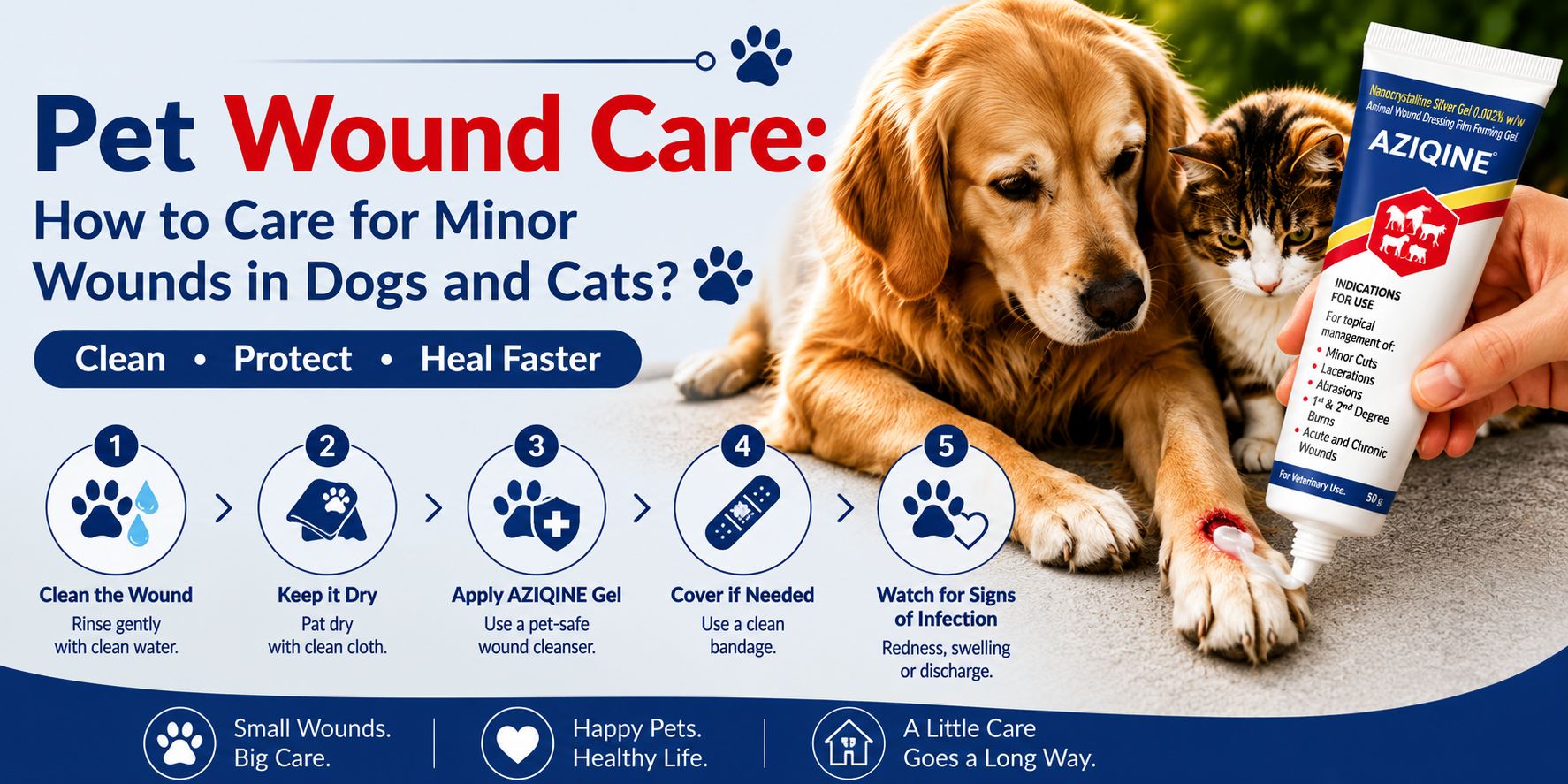 Sep 28, 2026
Pet Wound Care: How to Care for Minor Wounds in Dogs and Cats -
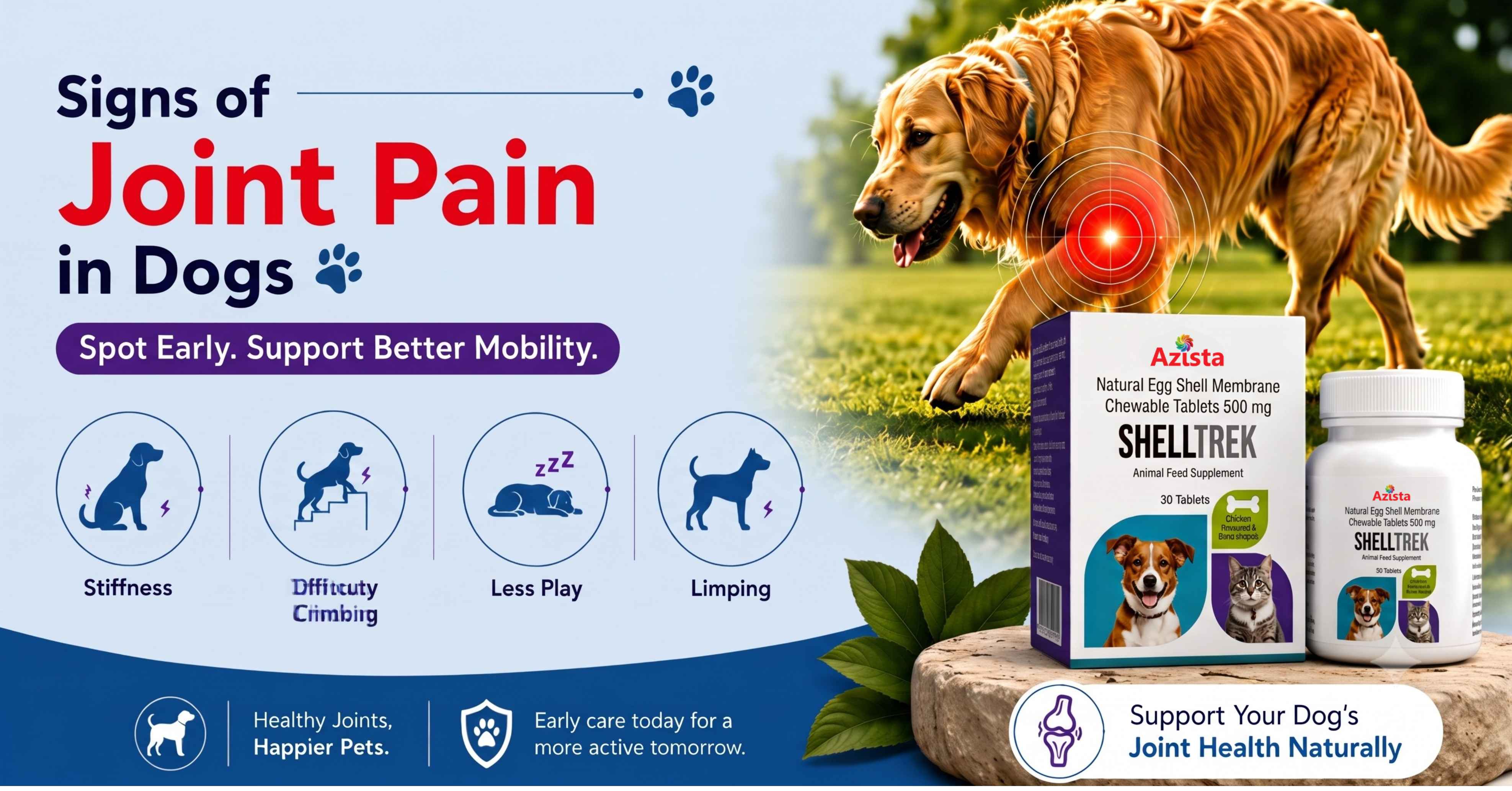 Sep 25, 2026
Signs of Joint Pain in Dogs: Spot Early. Support Better Mobility -
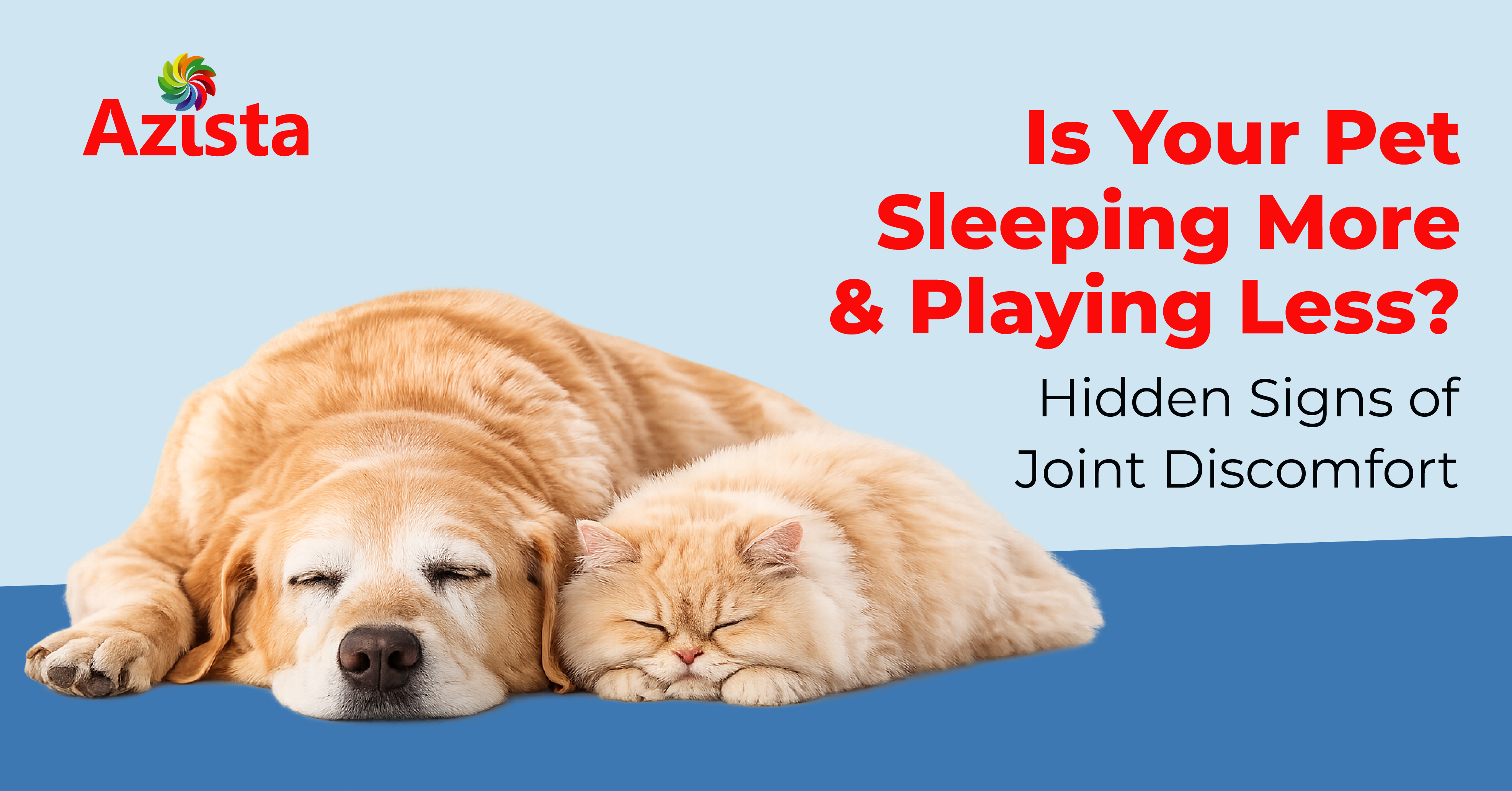 Jul 30, 2026
Is Your Pet Sleeping More & Playing Less? Hidden Signs of Joint Discomfort -
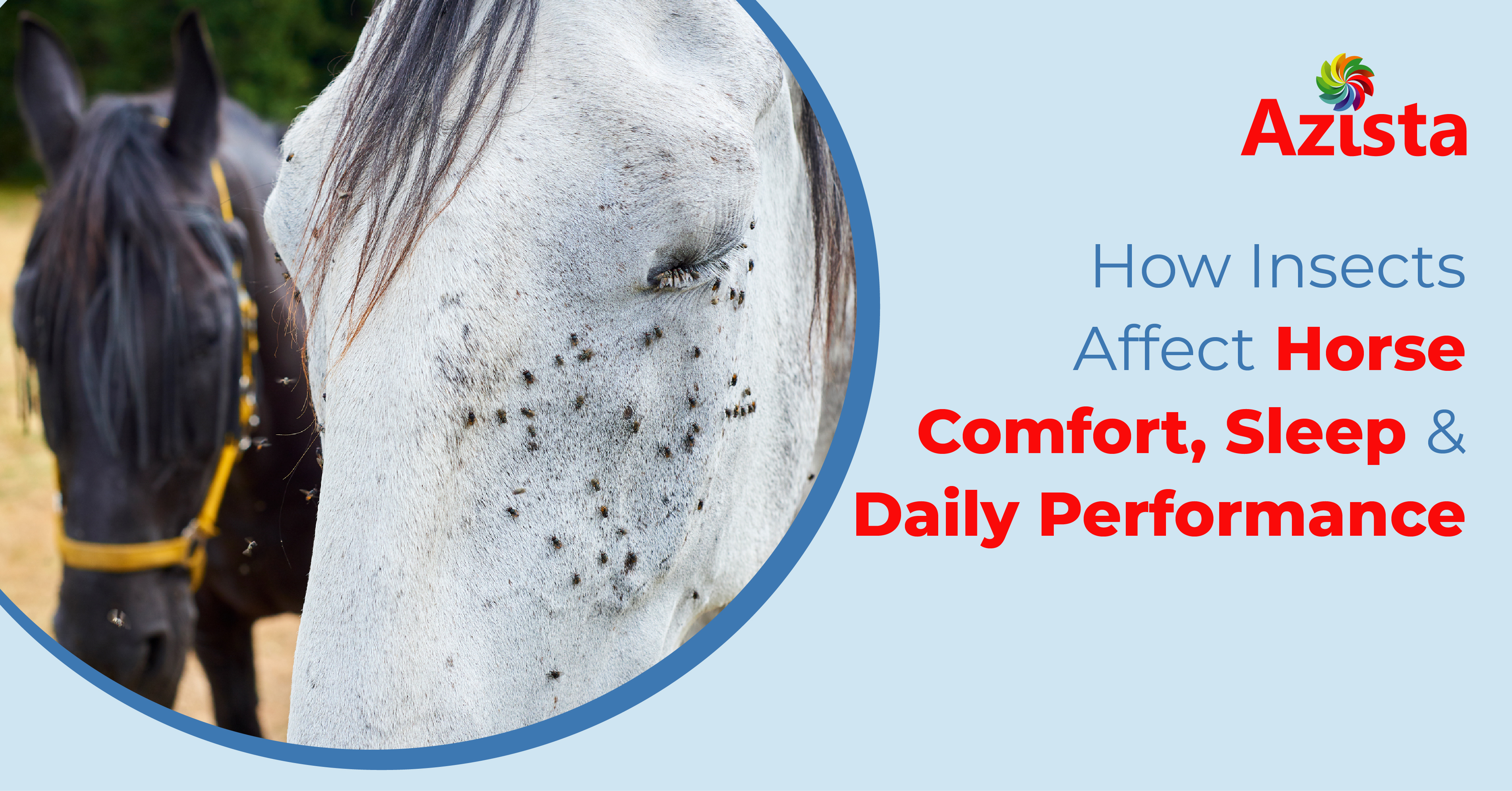 Jul 25, 2026
How Insects Affect Horse Comfort, Sleep & Daily Performance -
 Jul 20, 2026
Why Sudden Vomiting in Pets Should Never Be Ignored: Common Gastro Problems Explained
Is Your Pet at Risk? 7 Hidden Signs of Liver Problems Every Owner Must Know
Jan 20, 2026
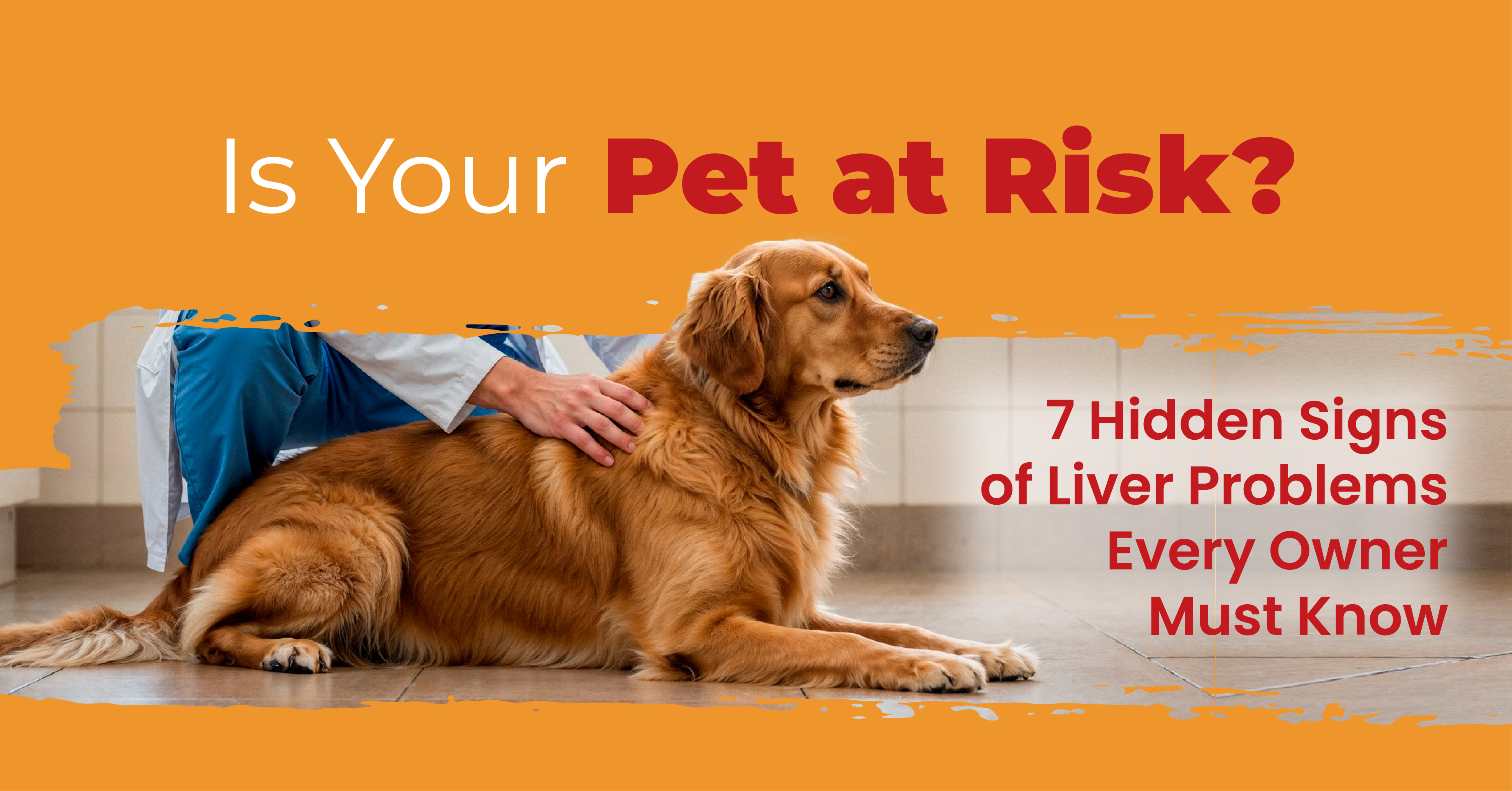
Liver problems in pets often develop quietly, with early symptoms that are easy to overlook. The liver is essential for digestion, detoxification, and overall metabolic balance, so even mild dysfunction can affect long-term health. Recognizing early warning signs allows pet owners to seek timely veterinary care and reduce disease progression. This guide explains subtle symptoms, risk factors, and practical ways to support pet liver health.
Why Pet Liver Health Should Never Be Ignored
The liver is one of the hardest-working organs in a pet’s body. It filters toxins from the blood, helps digest food through bile production, stores nutrients, and supports immune function. Because the liver has a strong ability to compensate and regenerate, signs of liver problems in pets often appear only after significant damage has already occurred.
This delayed symptom pattern makes early awareness critical. Subtle behavioral or physical changes may be the first indicators of declining pet liver health. When addressed early, many liver conditions can be managed effectively, improving both lifespan and quality of life.
Common Causes of Liver Problems in Pets
Liver problems in pets can develop due to infections, parasites, exposure to toxins, long-term medication use, poor-quality diets, obesity, or age-related changes. Certain dog and cat breeds may also be genetically predisposed to liver disease.
Environmental factors such as pesticides, contaminated food, household chemicals, and even spoiled pet treats can slowly strain liver function. Chronic inflammation elsewhere in the body can further increase the liver’s workload, leading to gradual dysfunction if left unchecked.
7 Hidden Signs of Liver Problems in Pets
1. Reduced Appetite or Sudden Food Avoidance
Loss of appetite is one of the earliest and most common dog liver disease signs. Pets may appear picky or skip meals due to nausea or metabolic imbalance caused by liver stress.
2. Persistent Lethargy and Low Energy
A noticeable drop in activity levels can indicate toxin buildup in the bloodstream. Pets may sleep more, avoid play, or tire easily, which is often mistaken for normal aging.
3. Digestive Disturbances
Vomiting, diarrhea, or inconsistent stools may point to liver problems in pets. Since the liver supports digestion, reduced bile flow can disrupt normal nutrient absorption.
4. Unexplained Weight Loss
Weight loss despite regular feeding is a concerning sign. Liver dysfunction affects how proteins, fats, and carbohydrates are metabolized, leading to gradual body mass loss.
5. Increased Thirst and Urination
Pets with liver stress may drink more water and urinate frequently. This subtle symptom is commonly overlooked but can be an early indicator of internal imbalance.
6. Dull Coat and Skin Changes
A healthy coat depends on proper nutrient processing. Dry skin, excessive shedding, or a dull coat may reflect nutritional deficiencies linked to poor liver function and the need for improved cat liver care or dog liver support.
7. Behavioral or Mood Changes
Disorientation, irritability, or unusual behavior may occur when toxins affect the nervous system. These early liver disease symptoms in pets often go unnoticed until they worsen.
How Early Liver Disease Is Identified
Veterinarians diagnose liver conditions using blood tests that measure liver enzymes, bile acid levels, and overall organ function. Imaging tools such as ultrasound may also be used to assess liver size and structure.
Routine health checkups are especially important for senior pets and those on long-term medication. Early diagnosis significantly improves outcomes and reduces the risk of chronic complications.
Supporting and Protecting Liver Health in Pets
Managing liver health typically involves a combination of veterinary treatment, nutritional support, and lifestyle changes. A liver support diet for pets focuses on easily digestible proteins, controlled fat levels, and essential vitamins to reduce liver workload.
Many veterinarians also recommend pet liver supplements and hepatoprotective care for pets as part of a comprehensive management plan. These formulations are designed to support normal liver function and protect liver cells from oxidative stress.
For example, liver support solutions for pets such as this pet liver health liquid supplement are commonly included in liver care routines to help maintain healthy enzyme levels and overall metabolic balance. Such products are supportive in nature and should always be used alongside professional veterinary advice.
Preventive care plays a major role in protecting the liver. Providing clean drinking water, avoiding exposure to toxins, maintaining a healthy body weight, and feeding a balanced diet can significantly lower the risk of liver problems in pets.
Frequently Asked Questions (FAQs)
Are liver problems common in dogs and cats?
Yes. Liver problems in pets are relatively common, especially in older animals or those exposed to toxins, infections, or long-term medications.
Can early liver disease in pets be managed?
In many cases, early liver disease symptoms in pets can be managed with timely diagnosis, dietary changes, and appropriate hepatoprotective care for pets.
What diet supports pet liver health?
A liver support diet for pets typically includes easily digestible nutrients, controlled protein levels, and adequate vitamins to reduce liver strain.
When should I consult a veterinarian?
If your pet shows persistent signs such as appetite loss, lethargy, digestive issues, or behavioral changes, seek veterinary evaluation promptly.
Final Takeaway
Liver problems in pets often progress silently, making early awareness essential for every pet owner. Recognizing subtle warning signs and understanding risk factors allows timely intervention before irreversible damage occurs. With proper veterinary care, supportive nutrition, and targeted pet liver supplements, many pets can maintain stable liver function and a good quality of life. Proactive care is the key to long-term pet liver health.