Table of Contents
More from Blog
-
 Sep 28, 2026
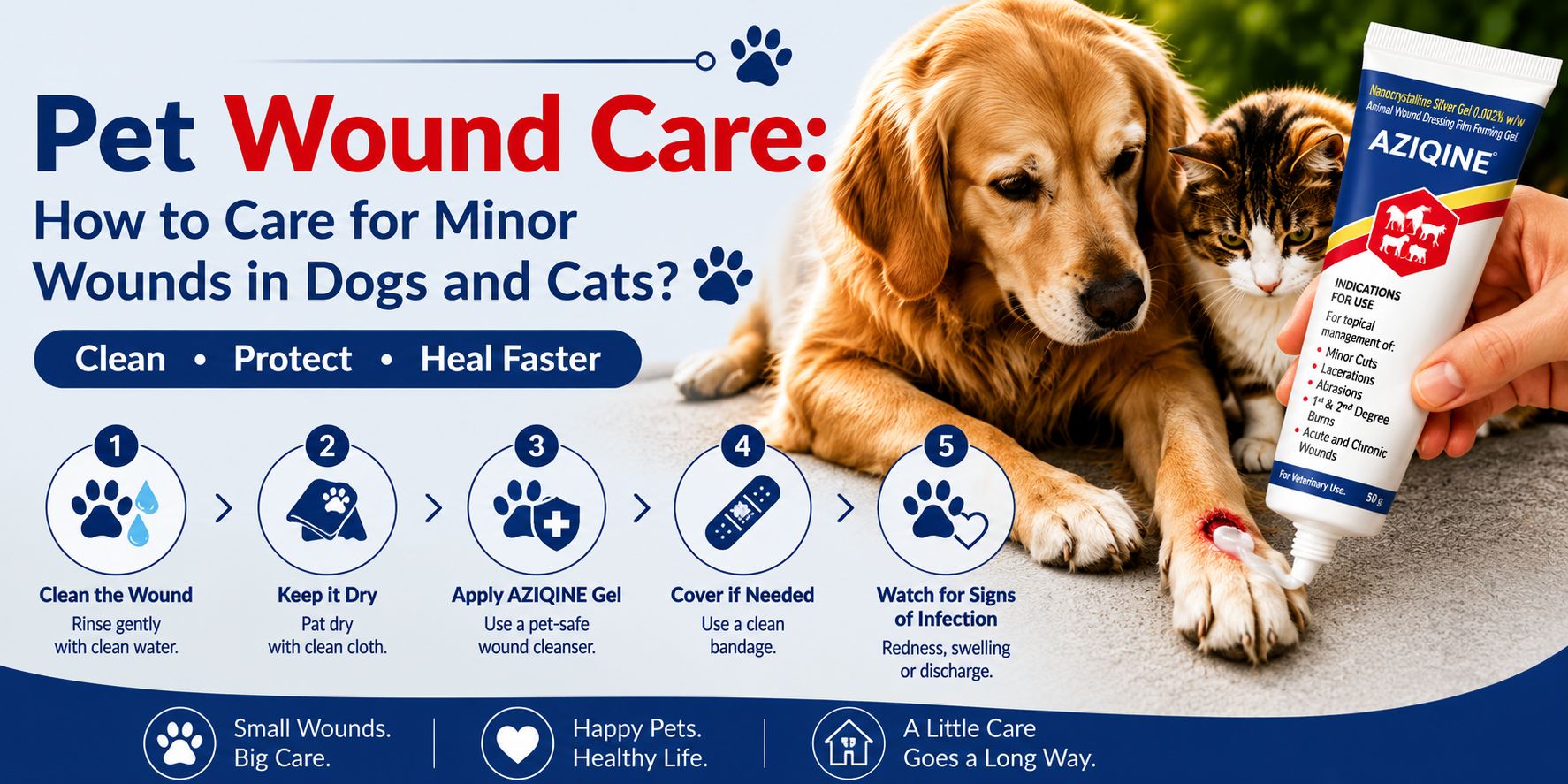
Pet Wound Care: How to Care for Minor Wounds in Dogs and Cats -
 Sep 25, 2026
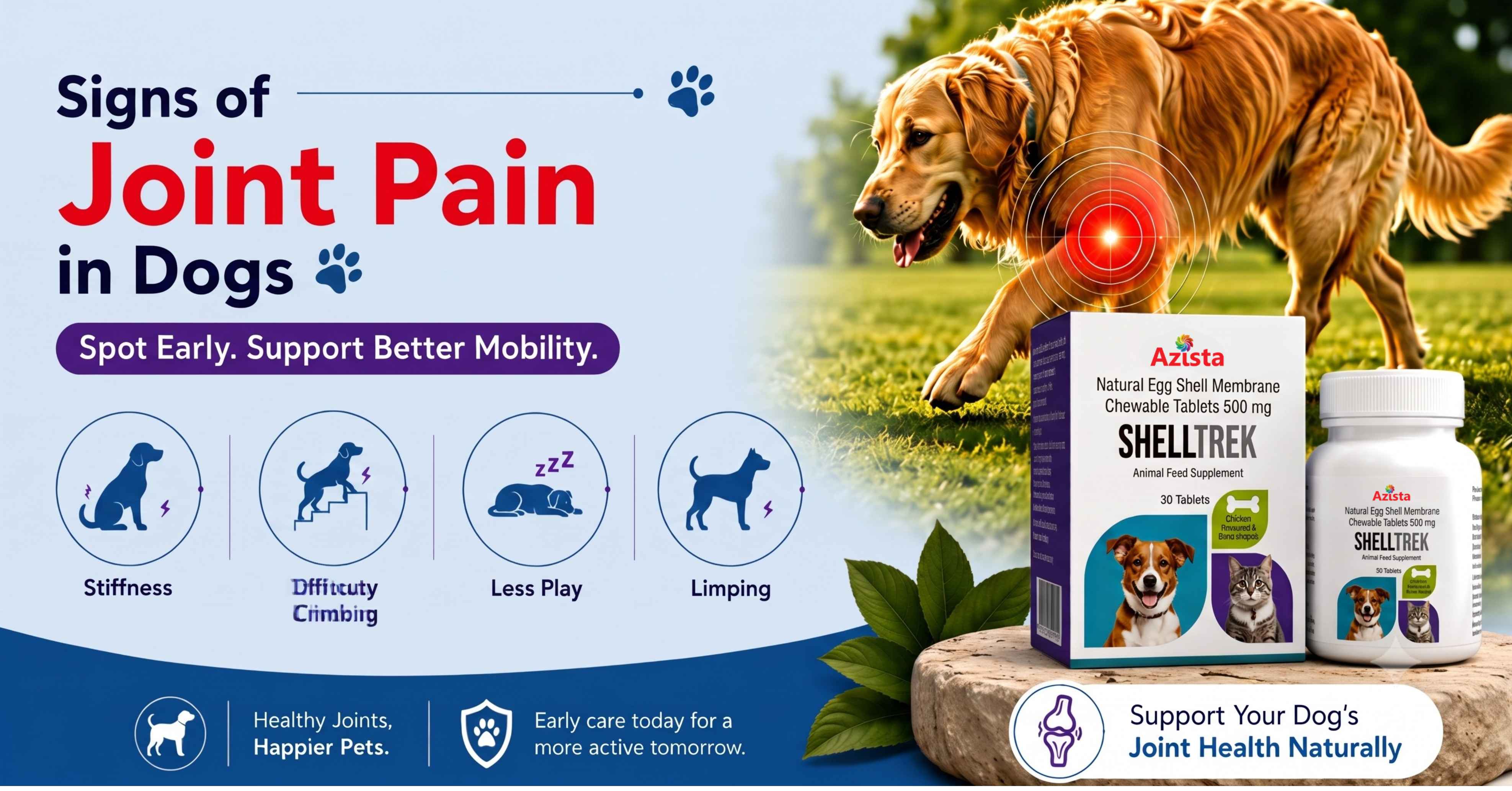
Signs of Joint Pain in Dogs: Spot Early. Support Better Mobility -
 Jul 30, 2026
Is Your Pet Sleeping More & Playing Less? Hidden Signs of Joint Discomfort -
 Jul 25, 2026
How Insects Affect Horse Comfort, Sleep & Daily Performance -
 Jul 20, 2026
Why Sudden Vomiting in Pets Should Never Be Ignored: Common Gastro Problems Explained
Signs of Poor Liver Health in Pets: What Every Owner Should Know
Feb 05, 2026
Poor liver health in pets can affect digestion, energy levels, immunity, and overall wellbeing. The liver plays a vital role in detoxification and nutrient metabolism, so early signs are often subtle but important. Recognizing symptoms early helps pet owners take timely action and prevent long-term complications. This guide explains common warning signs, causes, and when liver support may be needed for pets.
Why the Liver Is Critical for Pet Health
The liver is one of the most hardworking organs in a pet’s body. It helps filter toxins, supports digestion, stores essential nutrients, and regulates metabolism. When the liver is healthy, these processes happen smoothly and efficiently.
If liver function declines, toxins can accumulate and affect multiple body systems. That is why veterinarians often emphasize early monitoring and preventive care using pet liver health support to help maintain normal liver function, especially in adult and senior pets.
What Causes Liver Problems in Pets
Liver issues in pets can develop for several reasons, including poor diet, exposure to toxins, infections, long-term medication use, or age-related changes. Some pets may also have genetic predispositions that affect liver function.
Sudden dietary changes, contaminated food, or environmental chemicals can strain the liver over time. Supporting liver function with liver support supplements for pets may help reduce stress on the liver when used responsibly alongside veterinary advice.
Early Signs of Poor Liver Health
Early liver-related symptoms are often subtle and easy to miss. Mild lethargy, reduced interest in play, or slight changes in appetite may be the first indicators.
Pet owners may also notice gradual weight loss or occasional digestive discomfort. Identifying these early changes and considering early liver care for dogs and cats can help address concerns before they progress into more serious issues.
Digestive and Appetite-Related Symptoms
Digestive changes are among the most common signs of liver stress. Pets with liver issues may experience reduced appetite, nausea, vomiting, or irregular bowel movements. Some may show sensitivity to foods they previously tolerated well.
A healthy liver plays a key role in fat digestion, so impaired function can affect nutrient absorption. Using liver health supplements for digestive support is often considered when digestive symptoms persist without an obvious cause.
Behavioral and Energy Changes
Changes in behavior are another warning sign of poor liver health. Pets may appear unusually tired, withdrawn, or less responsive to activities they once enjoyed. In some cases, confusion or restlessness may occur due to toxin buildup in the bloodstream.
Low energy levels are not always linked to aging alone. Supporting liver function with daily liver support for pets may help maintain normal energy levels and overall vitality when used appropriately.
Advanced Signs You Should Not Ignore
As liver issues progress, symptoms may become more noticeable and concerning. Yellowing of the eyes, gums, or skin, known as jaundice, is a clear sign of liver dysfunction. Dark urine or pale stools can also indicate impaired bile production.
Abdominal swelling caused by fluid accumulation may appear in advanced stages. At this point, immediate veterinary care is essential. Alongside treatment, vets may recommend vet-supported liver care solutions to help manage ongoing liver stress.
When to Consider Liver Support
Liver support is commonly considered during recovery from illness, after long-term medication use, or when pets show early signs of liver strain. Senior pets may also benefit from preventive liver care due to age-related metabolic changes.
Using pet liver support supplements as part of a broader wellness plan can help maintain liver efficiency, but supplements should never replace proper diagnosis or veterinary treatment.
Supporting Pet Liver Health Safely
Supporting liver health involves more than supplements alone. Feeding a balanced diet, ensuring clean water access, and minimizing exposure to harmful substances are essential steps. Regular veterinary checkups help monitor liver enzyme levels and overall health.
When introducing a liver health supplement for dogs and cats, It is important to follow usage guidance and observe your pet’s response. Gradual introduction helps the body adapt without unnecessary stress.
Frequently Asked Questions
What are the earliest signs of liver problems in pets?
Early signs include reduced appetite, low energy, mild digestive issues, and subtle behavior changes.
Can liver problems be managed if detected early?
Yes, early detection and proper care can help manage liver health and prevent progression in many cases.
Are liver supplements safe for long-term use?
When used as directed and under veterinary guidance, liver support supplements are generally safe for ongoing use.
Do all pets need liver support?
Not all pets require supplements, but those with risk factors or early symptoms may benefit from targeted liver care.
Final Takeaway
Poor liver health in pets often begins with subtle signs that are easy to overlook. Understanding these warning signals allows pet owners to act early and support liver function before serious complications arise. With proper diet, regular monitoring, and thoughtful liver care, pets can maintain healthier liver function and enjoy better overall wellbeing.