Table of Contents
More from Blog
-
 Sep 28, 2026
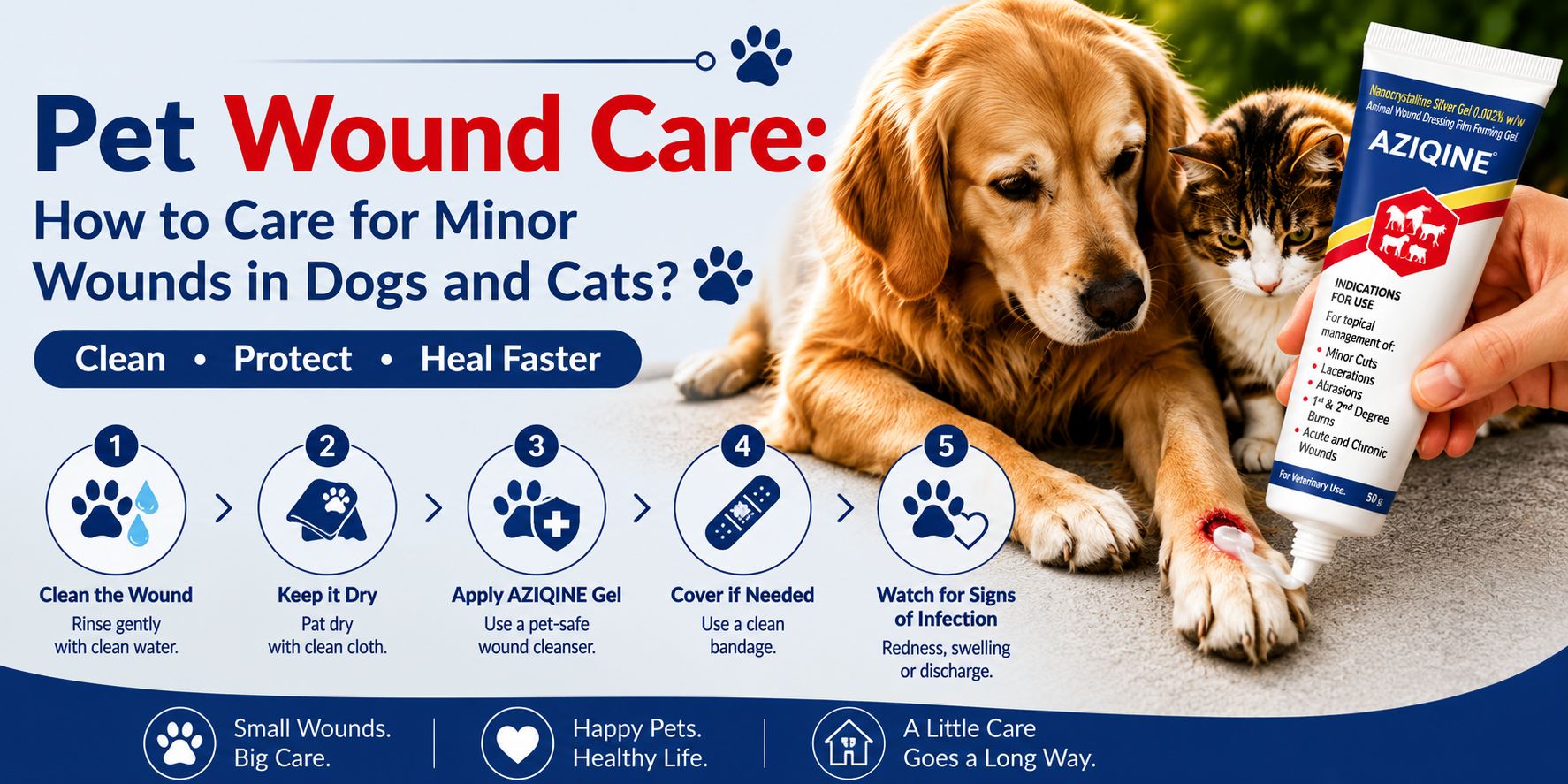
Pet Wound Care: How to Care for Minor Wounds in Dogs and Cats -
 Sep 25, 2026
Signs of Joint Pain in Dogs: Spot Early. Support Better Mobility -
 Jul 30, 2026
Is Your Pet Sleeping More & Playing Less? Hidden Signs of Joint Discomfort -
 Jul 25, 2026
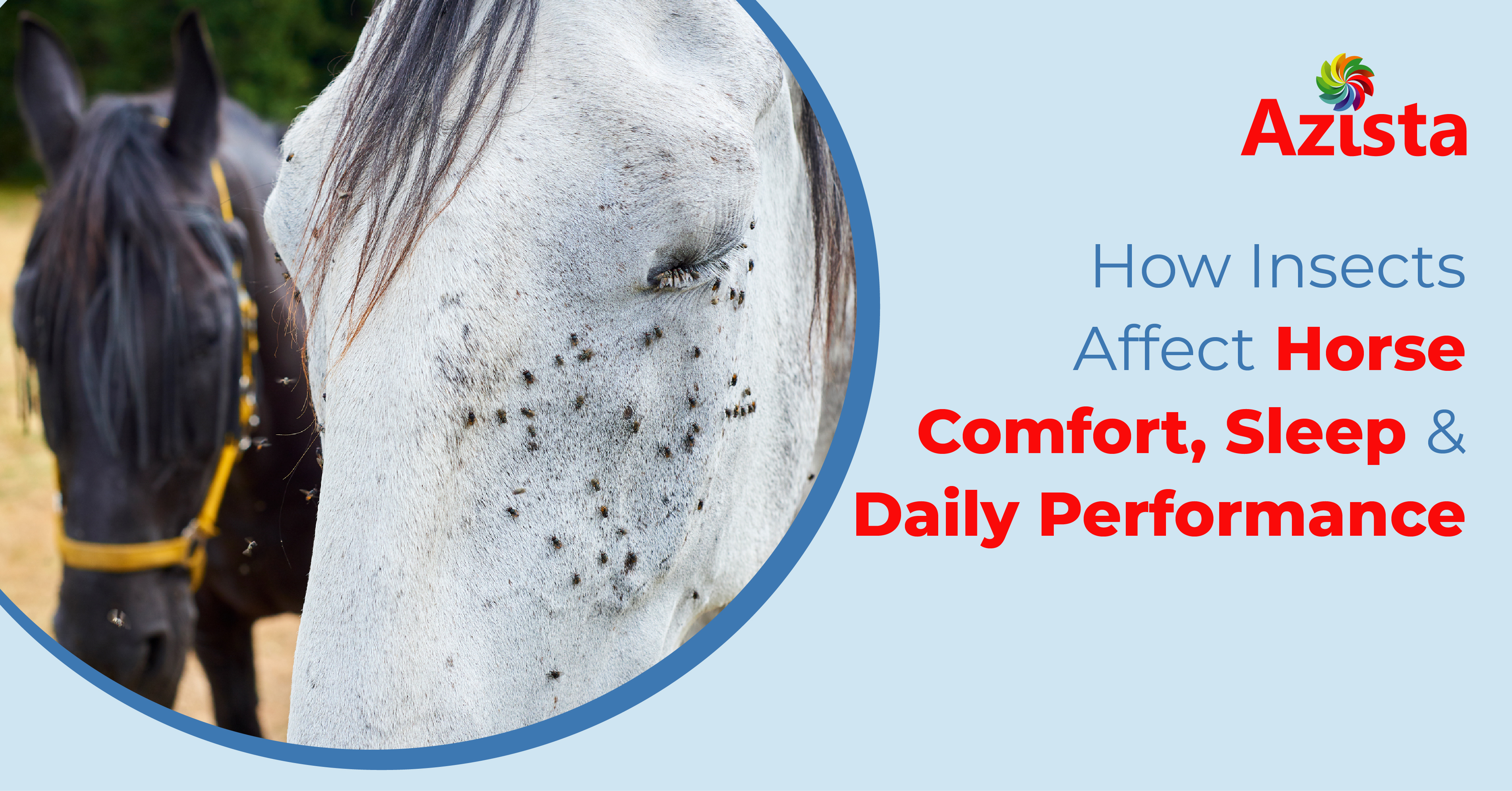
How Insects Affect Horse Comfort, Sleep & Daily Performance -
 Jul 20, 2026
Why Sudden Vomiting in Pets Should Never Be Ignored: Common Gastro Problems Explained
Rising Cases of Pet Skin & Fungal Infections: How to Identify, Treat & Prevent Them in Dogs and Cats
Dec 16, 2025
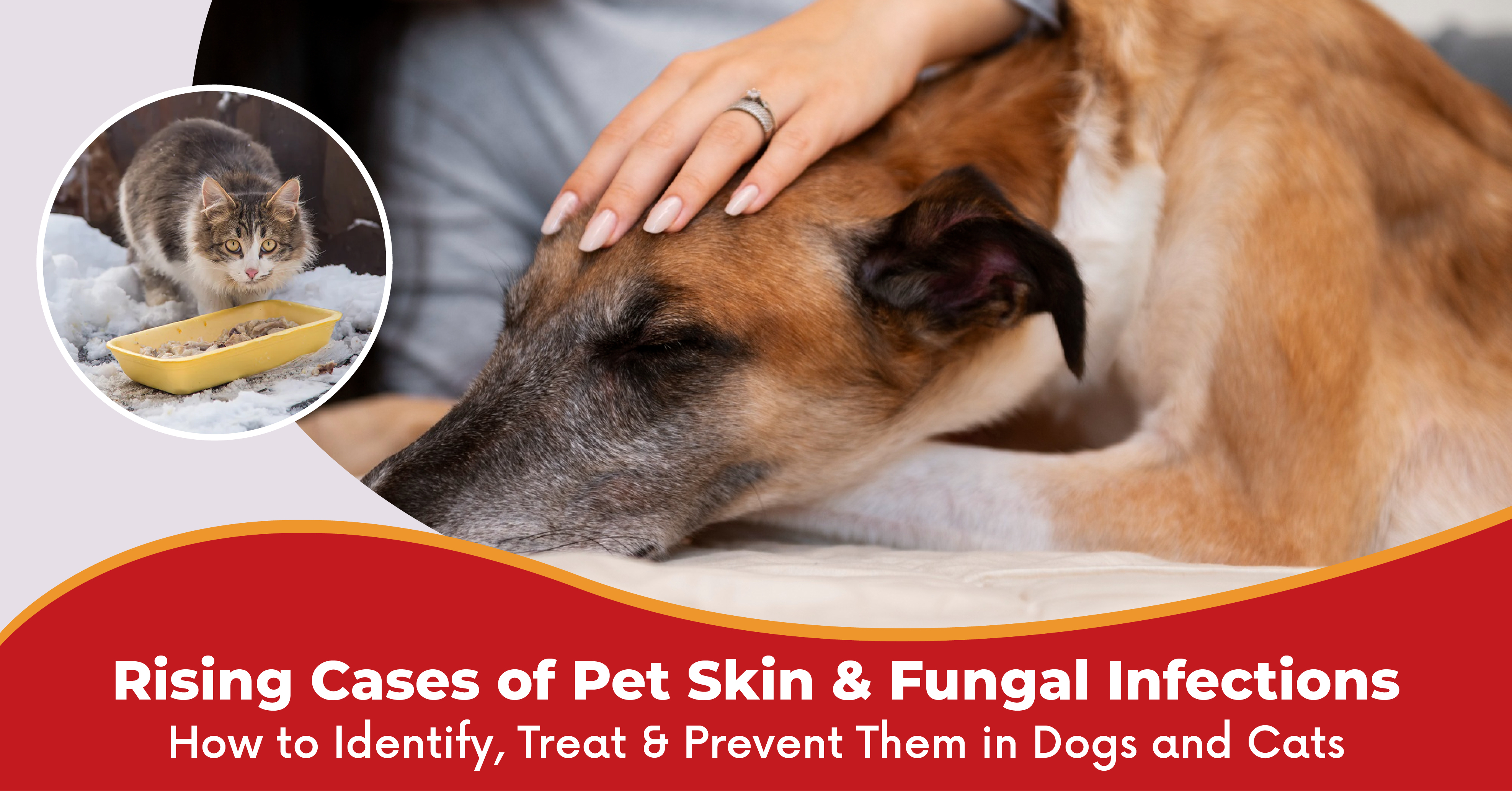
Pet parents across the world are noticing a worrying trend rising cases of skin and fungal infections in dogs and cats. These issues not only cause discomfort but can also lead to serious health complications if left untreated. Understanding the causes, symptoms, and proper treatment can help you protect your furry companion and ensure long-term skin health.
Why Skin & Fungal Infections Are Increasing in Pets
Several factors contribute to the rise of pet skin infections and fungal diseases in dogs and cats:
- Humidity & Weather Changes: Warm, moist environments create perfect conditions for fungal growth.
- Allergies & Weak Immunity: Pets with poor immune function are more vulnerable to infections.
- Poor Grooming Habits: Irregular baths or using the wrong grooming products can irritate the skin.
- Outdoor Exposure: Parks, grooming centers, and boarding facilities increase the risk of contamination.
These conditions make dogs and cats more susceptible to issues like ringworm, yeast infections, and mange.
Common Types of Fungal & Skin Infections in Dogs and Cats
1. Ringworm (Dermatophytosis)
A highly contagious fungal infection that affects the fur, skin, and nails. It appears as circular patches of hair loss.
2. Yeast Infection
Common in dogs, especially in skin folds, paws, and ears. Caused by an overgrowth of Malassezia yeast.
3. Bacterial Skin Infections
Often, secondary infections develop when the skin barrier is compromised.
4. Hot Spots (Moist Dermatitis)
Painful, fast-spreading red lesions are usually caused by excessive licking or moisture.
5. Mange (Demodectic or Sarcoptic)
Mite-infested skin disease causing intense itching, hair loss, and scabs.
Understanding these categories helps pet owners choose the right treatment for dog skin infections or cat fungal infection remedies.
Symptoms: How to Identify Skin & Fungal Issues in Pets
Look out for these common signs of skin disease in dogs and cats:
- Persistent itching or scratching
- Red, inflamed, flaky, or scaly skin
- Excessive hair loss or bald patches
- Foul smell from the skin or ears
- Oozing wounds, crusty lesions, or hot spots
- Darkened, thickened skin in chronic cases
If you notice any of these symptoms, your pet may need antifungal treatment or a veterinary diagnosis.
Diagnosis: How Vets Confirm the Infection
Veterinarians use several methods to diagnose pet fungal infections:
- Skin scrapings
- Fungal cultures
- Wood's lamp examination
- Blood tests for chronic or recurring cases
Early diagnosis ensures faster and more effective fungal infection treatment for pets.
Effective Treatment Options for Dogs & Cats
1. Antifungal & Antibacterial Medications
Topical creams, medicated shampoos, sprays, and oral medications are commonly prescribed.
Using a trusted brand of antifungal medicine for dogs and cats is essential for proper recovery.
2. Proper Grooming Care
Regular grooming, drying ears and paws, and using veterinary-approved antifungal shampoos reduce recurrence.
3. Nutrition & Immune Support
A strong immune system helps prevent infections. Diets rich in omega-3 fatty acids, vitamins, and probiotics support skin health.
4. Home & Environmental Hygiene
Clean bedding, toys, grooming tools, and living spaces regularly to prevent re-infection.
Whether your pet is suffering from dog fungal infection symptoms or feline skin issues, a structured treatment plan is key.
Prevention Tips for Long-Term Pet Skin Health
To reduce the chances of future infections:
- Maintain a strict grooming routine
- Use high-quality pet shampoos and skin products
- Avoid humid or dirty environments
- Clean your pet's paws and ears after outdoor play
- Provide a balanced, nutrient-rich diet
- Get regular vet check-ups
Preventing fungal infections is easier than treating them consistency is the key.
When to Visit a veterinarian
Seek immediate veterinary help if:
- Symptoms worsen or persist beyond a few days
- Your pet has open wounds or bleeding
- Multiple pets show signs of infection
- Your pet becomes lethargic or loses appetite
Professional diagnosis ensures safe and effective pet skin infection treatment.
Conclusion
With rising cases of skin and fungal infections in dogs and cats, timely intervention is more important than ever. By understanding the causes, identifying symptoms early, and following a proper treatment plan, you can keep your pet healthy, comfortable, and infection-free.
For safe, effective, and veterinary-approved solutions, visit AzistaVet for Anti-Fungal Infection Medicine for Dogs and Cats.