Table of Contents
More from Blog
-
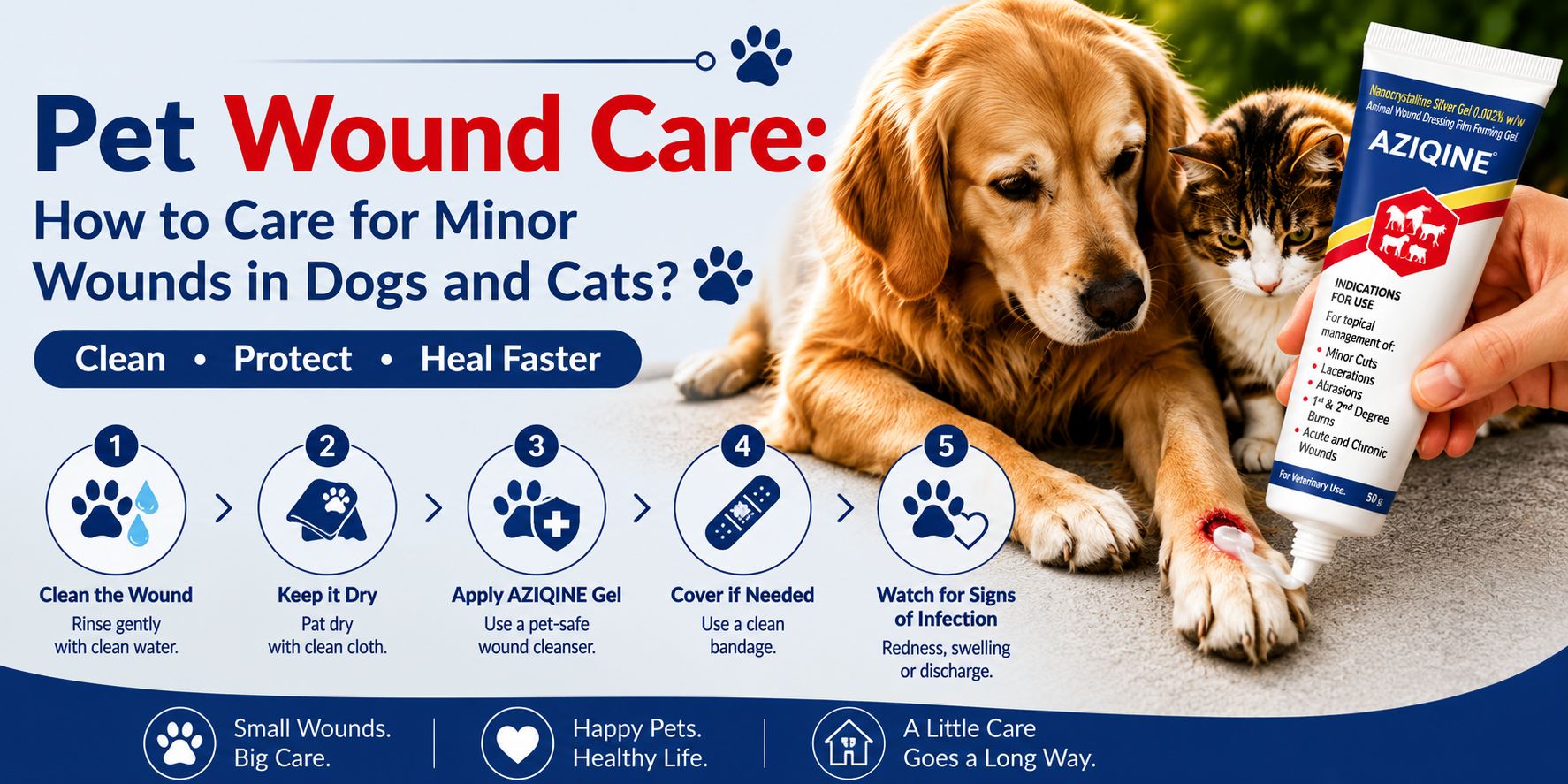 Sep 28, 2026
Pet Wound Care: How to Care for Minor Wounds in Dogs and Cats -
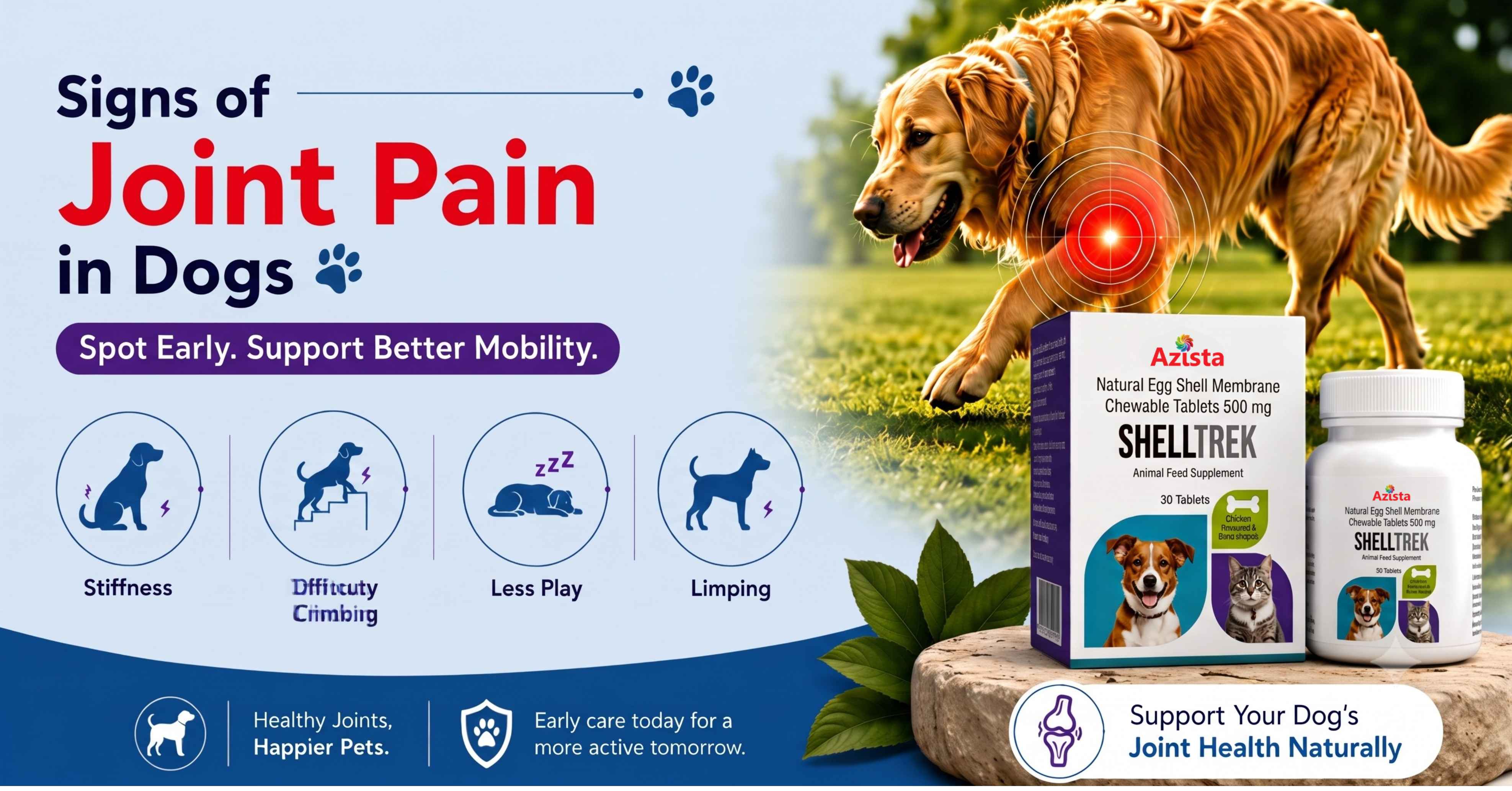 Sep 25, 2026
Signs of Joint Pain in Dogs: Spot Early. Support Better Mobility -
 Jul 30, 2026
Is Your Pet Sleeping More & Playing Less? Hidden Signs of Joint Discomfort -
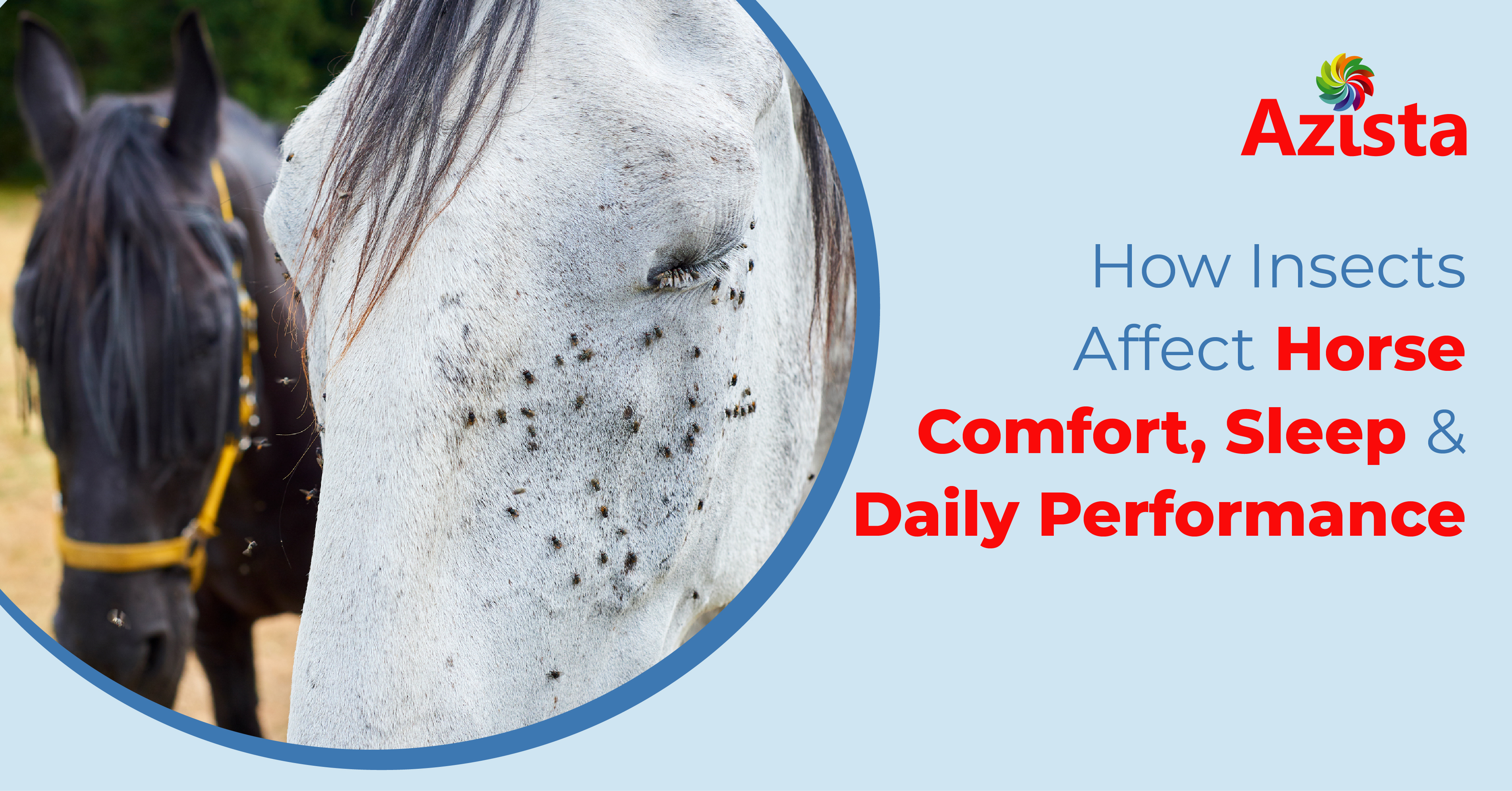 Jul 25, 2026
How Insects Affect Horse Comfort, Sleep & Daily Performance -
 Jul 20, 2026
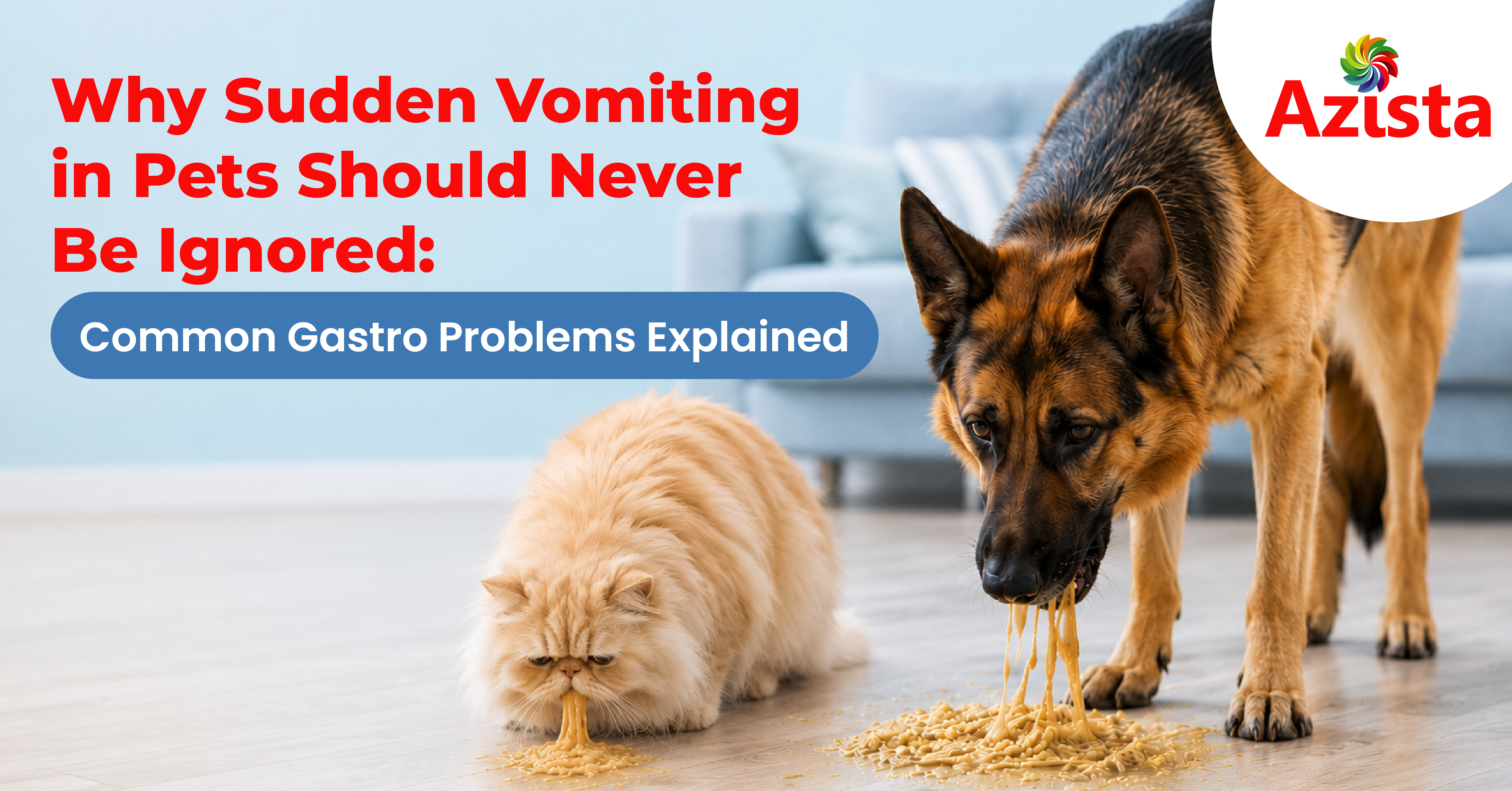
Why Sudden Vomiting in Pets Should Never Be Ignored: Common Gastro Problems Explained
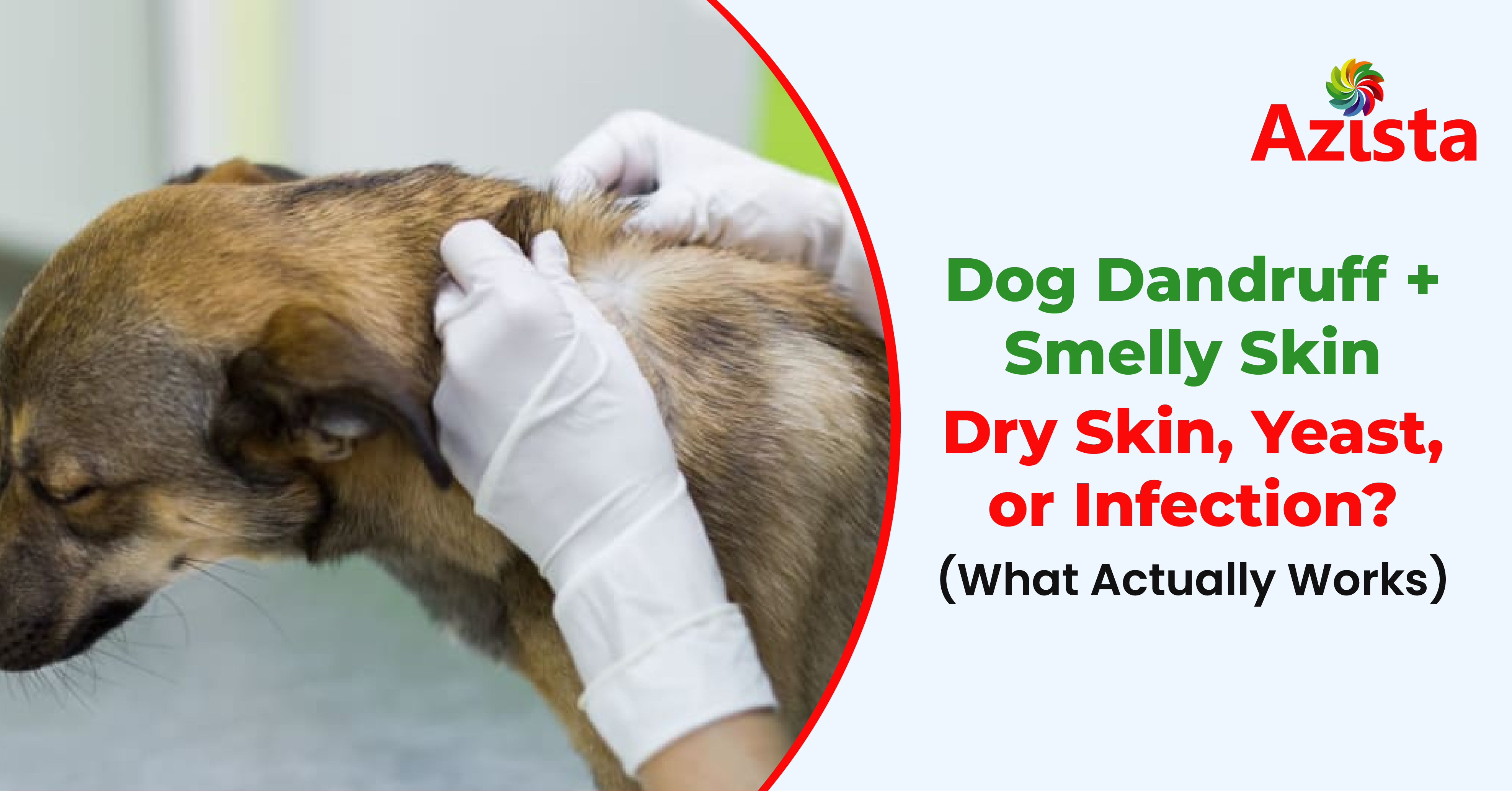
Dog Dandruff + Smelly Skin: Dry Skin, Yeast, or Infection? (What Actually Works)
Jun 25, 2026
Introduction
This guide explains the real causes of flaky and smelly skin in dogs, how to identify them, and what treatments actually work.
Quick Answer
Dog dandruff and smelly skin are commonly caused by dry skin, yeast infections or bacterial skin infections. Dry skin causes white flakes without odour, yeast infections cause greasy skin with a musty smell and infections often involve redness and itching. Treatment depends on the cause, including medicated shampoos and proper hygiene.
Disease Overview – Why Dogs Develop Dandruff and Odour
Healthy dog skin should be:
- Smooth
- Odour-free
- Free from excessive flakes
Signs of underlying issues
- White flakes (dandruff)
- Strong or unusual smell
- Redness or irritation
- Excessive scratching
Dog Flaky Skin Causes
1. Dry Skin
Common causes:
- Weather changes
- Low humidity
- Poor diet
- Overbathing
Symptoms:
- Fine white flakes
- No strong odour
- Mild itching
2. Yeast Infection (Malassezia)
yeast infection dog skin symptoms
- Greasy or oily skin
- Musty or “cheesy” smell
- Darkened skin
- Persistent itching
3. Bacterial Skin Infection
Symptoms:
- Redness
- Pus or crusts
- Strong odour
- Hair loss
Often occurs due to:
- Allergies
- Parasites
- Untreated skin conditions
Dog Smelly Skin Reasons
Common causes
- Yeast overgrowth
- Bacterial infection
- Poor grooming hygiene
- Moisture trapped in skin folds
Treatment Overview – What Actually Works
Treatment depends on identifying the root cause.
For dry skin
- Moisturising shampoos
- Balanced diet with essential fatty acids
- Avoid overbathing
For yeast infections
- Antifungal shampoos
- Regular bathing schedule
- Veterinary evaluation if severe
For bacterial infections
- Medicated shampoos
- Antibiotics (if prescribed)
- Proper hygiene
For expert diagnosis and tailored treatment plans, consulting professionals at Azista Vet can ensure the right approach.
Medicated Shampoos for Dog Skin Issues
Ketoconazole shampoo for dogs
- Antifungal
- Helps treat yeast infections
Chlorhexidine shampoo for dogs
- Antibacterial
- Effective for bacterial infections
Combined formulations
- Often include both antifungal and antibacterial agents
- Useful for mixed infections
How These Treatments Work
Mechanism (high-level)
- Antifungal agents kill yeast organisms
- Antibacterial agents reduce harmful bacteria
- Cleansing removes excess oil and debris
This helps restore normal skin balance.
Bathing Frequency for Dog Skin Issues
General guidelines
- Dry skin: Every 2–3 weeks
- Yeast/infections: 1–2 times per week (as advised)
- Avoid excessive bathing
Common User Questions
Why does my dog still smell after a bath?
Persistent odour often indicates yeast or bacterial infection, not just dirt.
Can dandruff in dogs be serious?
Yes, if caused by infection or underlying health issues.
Which shampoo is best for dog skin infection?
Depending on the cause—antifungal or antibacterial shampoos are commonly used.
Safety and Usage Overview
- Use only vet-recommended products
- Avoid human shampoos
- Follow proper bathing technique
- Monitor for worsening symptoms
Disclaimer: This content is for educational purposes only and does not replace veterinary advice.
FAQ’s
1. What causes dandruff in dogs?
Dry skin, infections, allergies, or poor nutrition can cause dandruff.
2. Why does my dog’s skin smell bad?
Yeast or bacterial infections are common causes of odour.
3. How often should I bathe my dog for skin issues?
Typically 1–2 times per week for infections, less for dry skin.
4. Can I use medicated shampoo regularly?
Only as advised by a veterinarian.
5. When should I see a vet?
If symptoms persist, worsen, or include redness and hair loss.
Key Takeaways
- Dog dandruff and odour have different causes
- Dry skin, yeast, and infections need different treatments
- Medicated shampoos can help when used correctly
- Bathing frequency matters
- Early diagnosis prevents complications
Conclusion
Dog dandruff and smelly skin are not just cosmetic concerns—they often signal underlying issues like dryness, yeast overgrowth, or bacterial infections. Identifying the exact cause is key to choosing the right treatment and avoiding recurring problems.
With proper care, the right bathing routine, and appropriate medicated products, most skin issues can be effectively managed. For accurate diagnosis and personalised treatment, consulting experts at Azista Vet ensure your dog receives safe, effective care for long-term skin health.