Table of Contents
More from Blog
-
 Sep 28, 2026
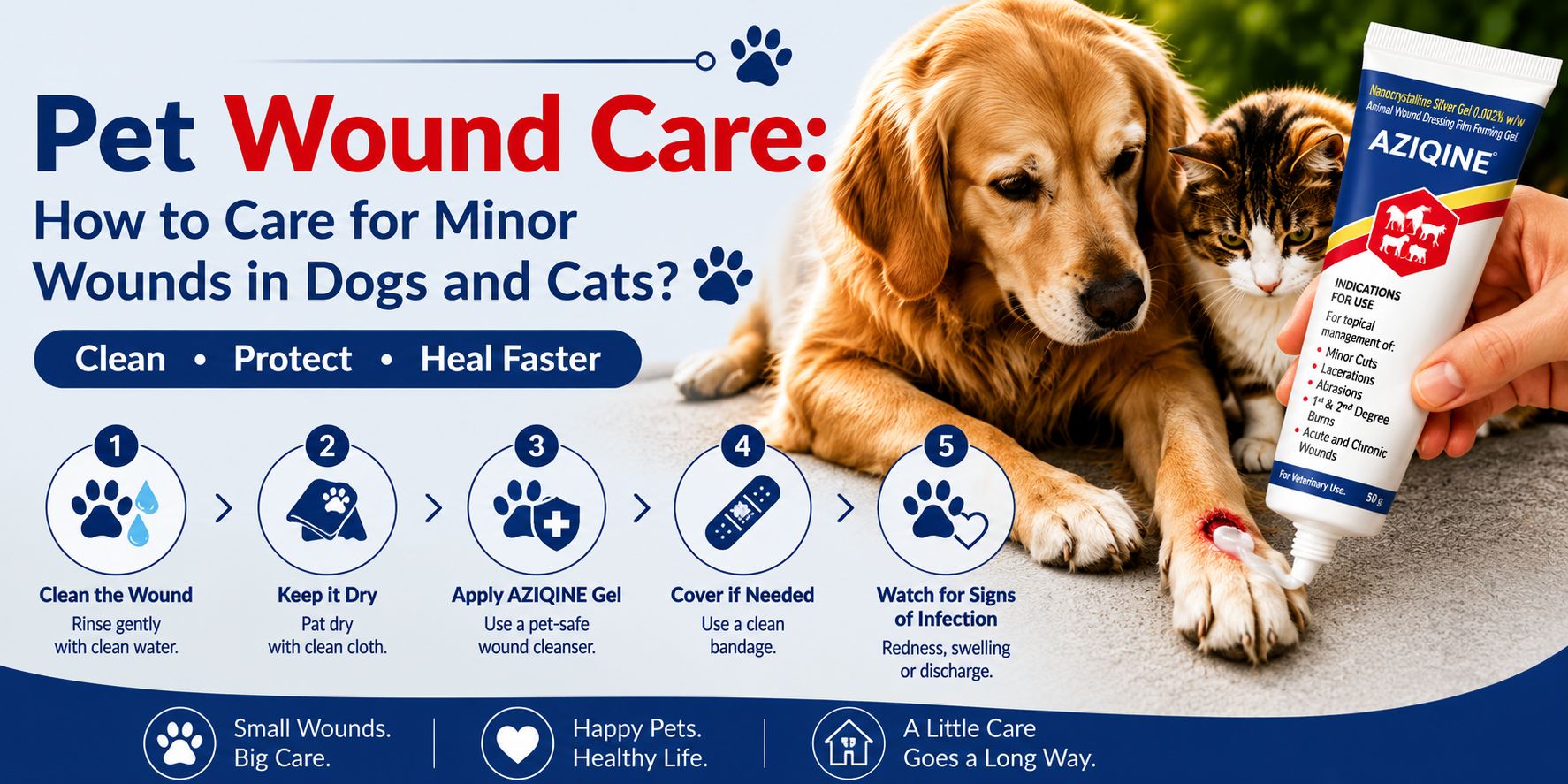
Pet Wound Care: How to Care for Minor Wounds in Dogs and Cats -
 Sep 25, 2026
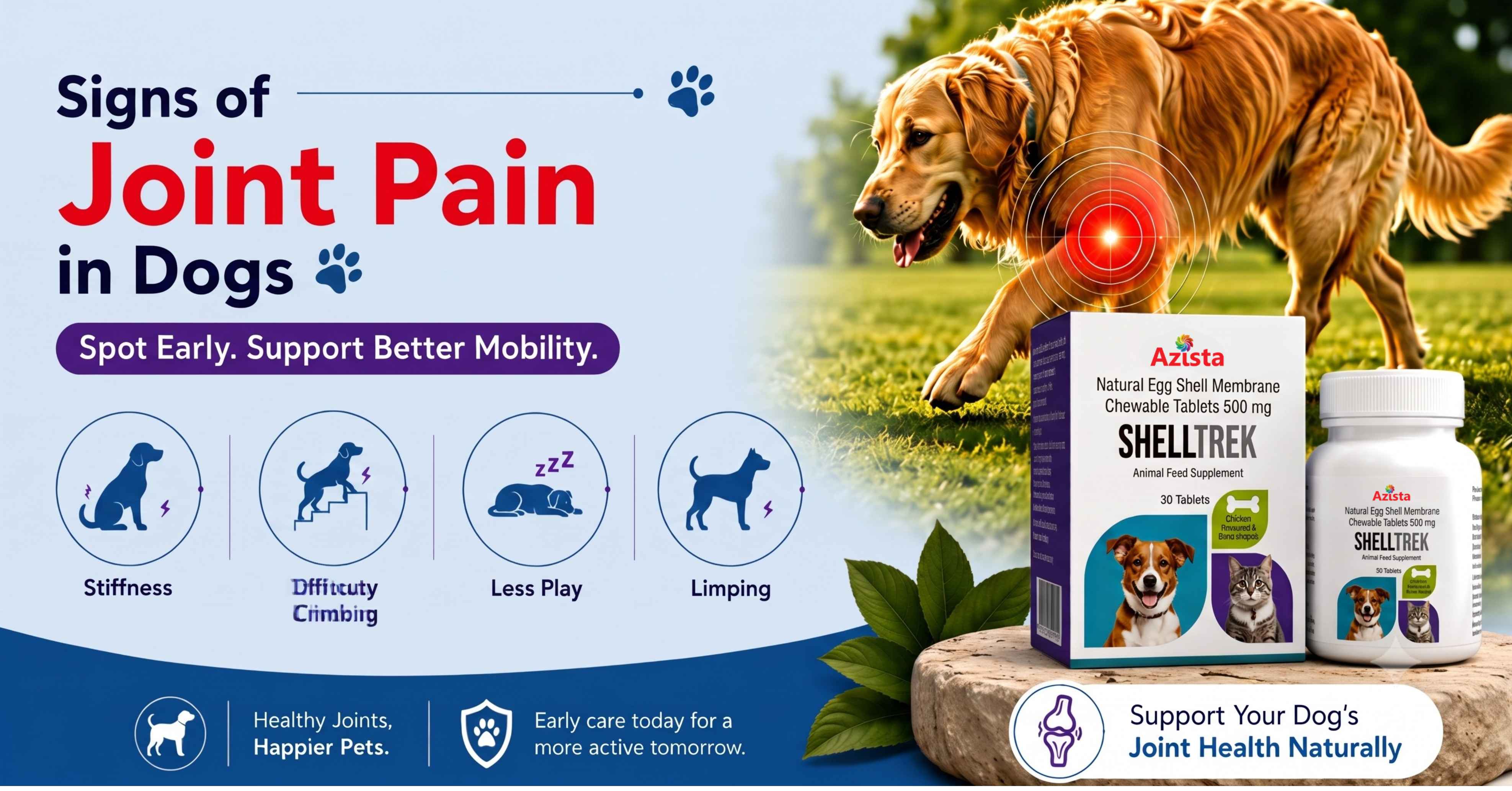
Signs of Joint Pain in Dogs: Spot Early. Support Better Mobility -
 Jul 30, 2026
Is Your Pet Sleeping More & Playing Less? Hidden Signs of Joint Discomfort -
 Jul 25, 2026
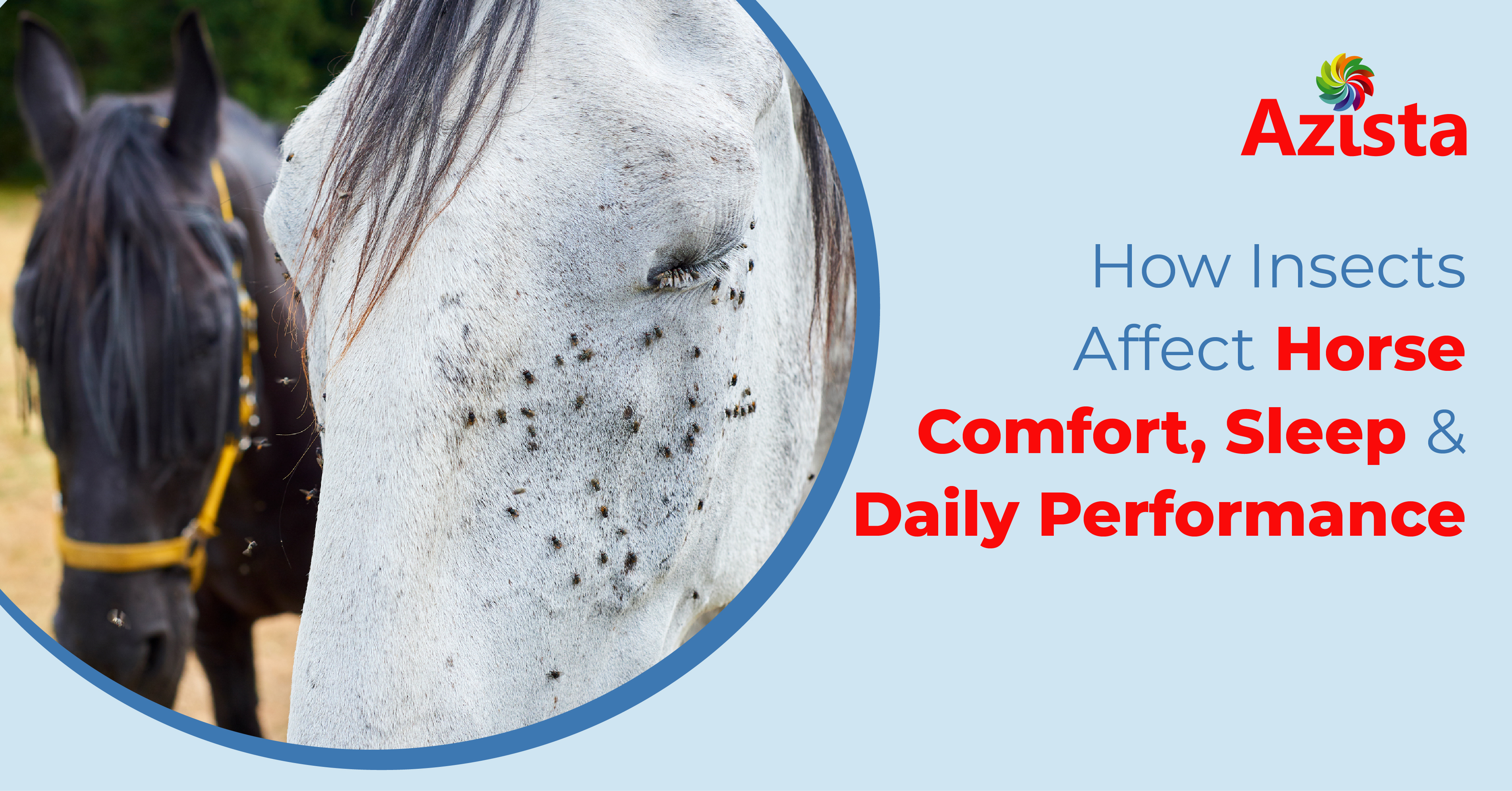
How Insects Affect Horse Comfort, Sleep & Daily Performance -
 Jul 20, 2026
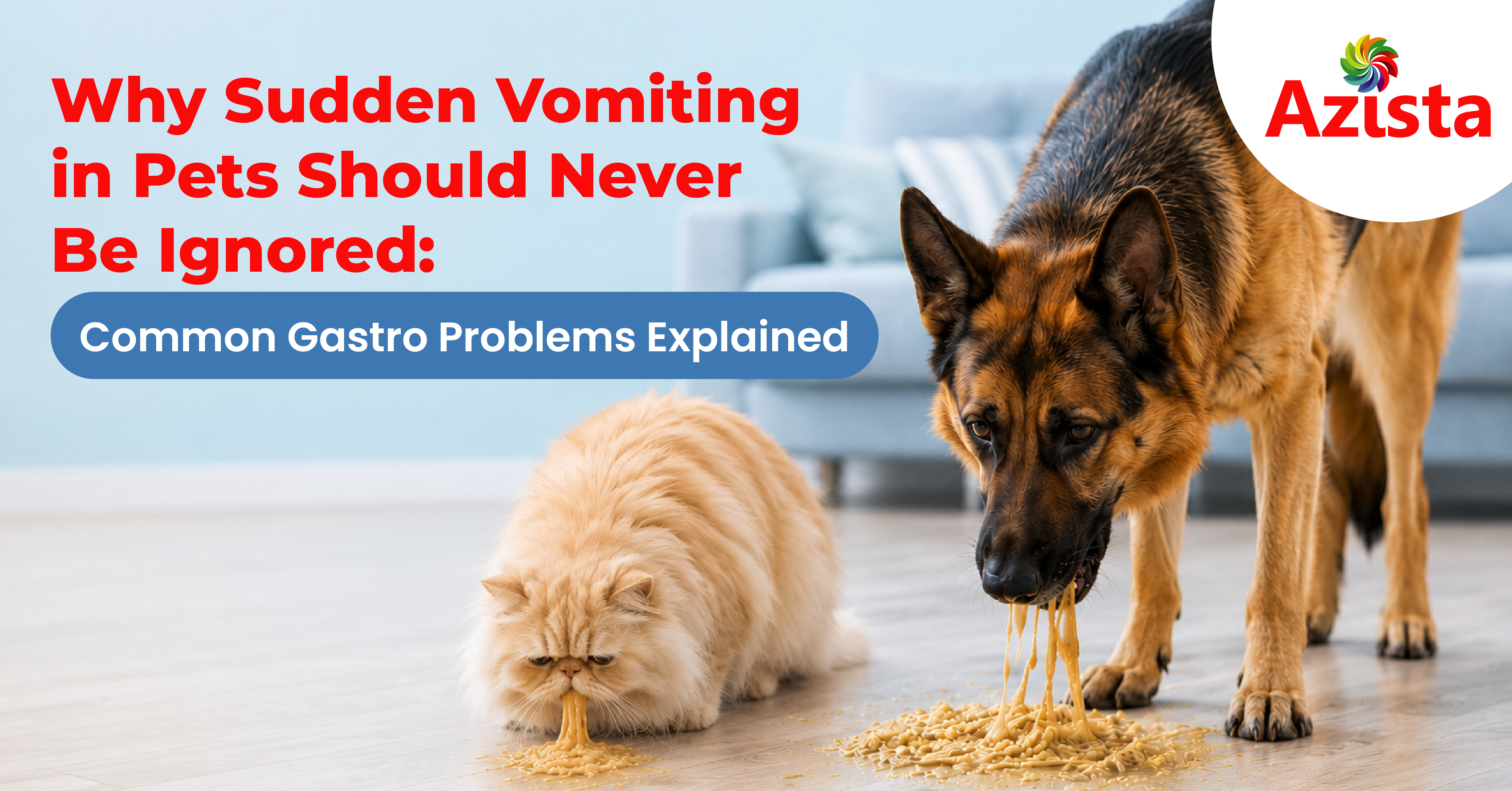
Why Sudden Vomiting in Pets Should Never Be Ignored: Common Gastro Problems Explained
Comprehensive Guide to Pet Digestive Health: Natural Ways and Safe Supplements for a Happier Gut
Nov 12, 2025

A healthy digestive system is the cornerstone of your pet's overall well-being. Much like humans, dogs and cats depend on strong gut health to absorb nutrients, support normal energy levels and contribute to overall immune function. Unfortunately, many pet parents only recognise the importance of pet digestive health when symptoms such as vomiting, diarrhoea or reduced appetite appear.
The good news is that digestion can often be improved naturally and safely through the right diet, lifestyle changes and digestive supplements for pets, along with appropriate veterinary guidance.
This guide shares practical pet digestion tips, trusted natural remedies and safe supplement options to support long-term gut health.
Understanding Pet Digestive Health - Why It Matters
Understanding how your pet's digestive system works is the first step towards preventing discomfort and supporting overall vitality.
The Gut-Immunity Connection
Your pet's digestive system does far more than process food. It plays a key role in immunity, detoxification and even mood regulation. A balanced gut helps protect against infections, allergies, chronic inflammation and digestive balance. For both dogs and cats, good pet gut health directly contributes to a healthier, happier life.
Recognising Common Digestive Problems in Pets
Digestive issues are among the most common concerns for pet parents. Watch closely for the following signs:
- Diarrhoea or constipation
- Persistent gas or bloating
- Vomiting or sudden loss of appetite
- Dull coat or low energy levels
These symptoms may result from poor-quality food, dietary sensitivities, stress or recent antibiotic use. Early identification helps protect dog gut health and cat digestive health before concerns require further veterinary attention.
Natural Strategies to Support Pet Digestion
Supporting digestion naturally involves a balanced diet, gentle lifestyle adjustments and carefully chosen remedies that promote gut balance.
Prioritise a Species-Appropriate Diet
Healthy digestion begins with quality nutrition. Choose food that suits your pet's species, age and lifestyle.
Simple pet digestion tips:
- Avoid foods with artificial additives and excess fillers
- Add natural fibre such as plain pumpkin purée or grated vegetables
- Ensure constant access to fresh, clean water
A balanced diet lays the foundation for healthy digestion and overall natural pet wellness.
Gentle Herbal and Natural Digestive Remedies
Several natural remedies can help soothe and support the digestive tract:
- Pumpkin: Commonly used as a dietary fibre source
- Ginger: Traditionally used in small amounts for digestive comfort
- Slippery Elm Bark: Used in supportive digestive care under veterinary guidance
- Bone Broth: May be included as a hydration-supporting food addition
Introduce any natural remedies gradually. Consult your veterinarian before use, especially if your pet has an existing condition.
Adding Natural Probiotics
Probiotics help restore beneficial gut bacteria and maintain microbial balance. Options include pet-specific probiotic powders or controlled amounts of unsweetened plain yoghurt for dogs. A healthy microbiome supports digestive balance and maintenance of a healthy gut microbiome.
Safe, Vet-Approved Digestive Supplements for Pets
Even with an ideal diet, some pets benefit from additional digestive support, particularly senior pets or those recovering from illness.
Probiotics and Prebiotics
- Probiotics replenish healthy gut bacteria
- Prebiotics nourish beneficial microbes
Always choose supplements formulated specifically for pets.
Digestive Enzymes
Digestive enzymes assist in breaking down proteins, fats and carbohydrates. These may be recommended in specific cases based on veterinary evaluation.
Fibre Supplements
Natural fibre sources such as psyllium husk or pumpkin powder support bowel regularity and stool quality.
Liver Support for Pets
The liver plays a role in digestion and normal metabolic processes. Supplements containing milk thistle, turmeric or dandelion root provide gentle liver support for pets, used as part of supportive care when advised by a veterinarian.
Choosing the Right Supplement
When selecting digestive supplements for pets:
- Opt for veterinary-grade, tested formulations
- Avoid unnecessary additives or artificial colours
- Introduce gradually and monitor stool quality and energy levels
Always consult your veterinarian before starting supplements.
Lifestyle Habits for Long-Term Gut Health
Daily habits significantly influence digestive health.
Maintain a Consistent Feeding Schedule
Routine feeding supports predictable digestion and reduces stomach upset.
Encourage Regular Exercise
Physical activity supports overall wellbeing, which can influence digestive comfort.
Manage Environmental Stress
Stress can disrupt gut balance. A calm, stable environment and mental enrichment contribute to a stable routine that supports general health.
Use Antibiotics Responsibly
Antibiotics can disrupt gut bacteria. Follow veterinary guidance and support recovery with probiotics where advised.
When to Consult a Veterinarian
Natural care is suitable for mild digestive concerns. Seek veterinary advice immediately if your pet experiences:
- Vomiting or diarrhoea lasting over 24 hours
- Blood in stools
- Severe lethargy or dehydration
- Sudden weight loss
A veterinarian can create a tailored plan combining dietary changes, supplements and veterinary treatment.
Conclusion
A healthy gut is essential for your pet's comfort, energy and resilience. By combining balanced nutrition, proven natural remedies and vet-trusted digestive and liver support products, you can support long-term digestive care and comfort.
Azista Vet supports pet parents with veterinary-formulated digestive care products and supportive solutions intended for everyday pet care, under veterinary guidance.
Frequently Asked Questions (FAQs)
1. What are the early signs of digestive problems in pets?
Vomiting, diarrhoea, bloating, gas, reduced appetite and low energy.
2. Are probiotics safe for pets?
Yes, when formulated specifically for pets and used as directed by a veterinarian.
3. Can natural foods help pet digestion?
Yes. Pumpkin, bone broth and fibre-rich foods can support digestion when used correctly.
4. How long does it take to see improvement in digestive health?
Response time varies depending on the pet, underlying cause and veterinary management.
5. Do digestive supplements affect the liver?
Some supplements may be processed through the liver. Liver support products can help when advised by a vet.
6. When should I stop home care and see a vet?
If symptoms persist, worsen or include blood, dehydration or weight loss.